


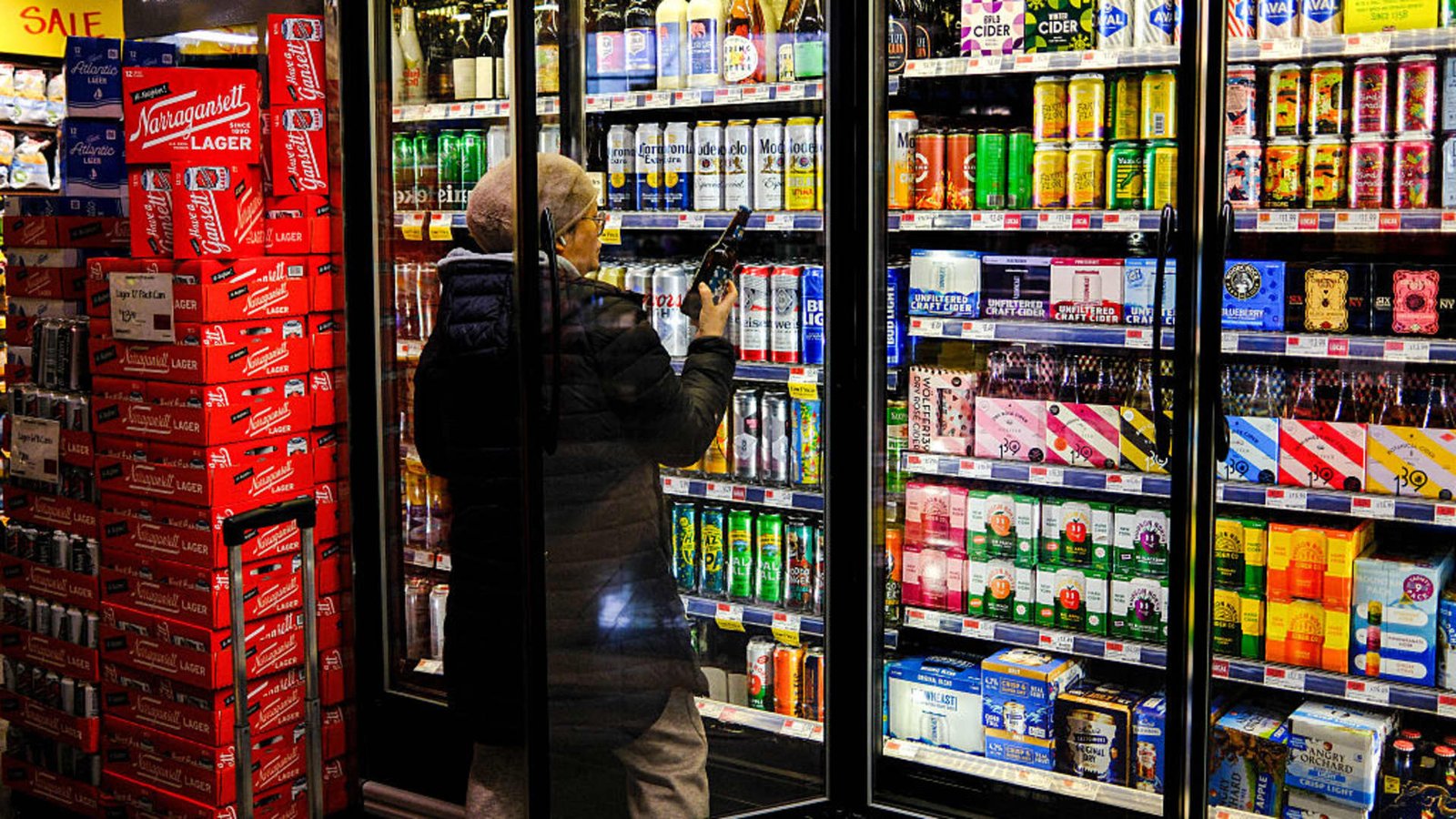
U.S. beer sales have experienced a significant decline, exceeding expectations as recent data reveals weaknesses in the sector. The latest Nielsen figures indicate a 6.3% year-over-year drop in volumes for beer, flavored malt beverages, and cider for the week ending May 2, a stark contrast to the 3% decline observed between November and mid-April. Analysts from Bernstein attribute this slowdown to a combination of high gasoline prices affecting discretionary spending, particularly in convenience stores like 7-Eleven and Wawa, where sales have fallen approximately 9% year-over-year since late April.
Gas prices, averaging around $4.51 per gallon, have reached historical highs, increasing by roughly 52% since the onset of the Iran war. This surge is reflected in states with elevated fuel costs; for example, California has reported a 16% decrease in beer volume sales in recent weeks, following a rise in gas prices to $6.16 per gallon. Similar trends are observed in Arizona and Texas, where beer volumes have also declined significantly.
The broader implications of this trend suggest a potential strain on consumer spending power, as highlighted by recently recorded low consumer sentiment. Notably, one-third of participants in a University of Michigan survey identified gas prices as their primary concern.
While the overall beer market is in decline, specific brands are performing variably. AB InBev’s Michelob Ultra exhibits stable sales, whereas Bud Light and Budweiser face notable volume drops. Meanwhile, Constellation Brands is gaining market share despite the general downturn in the category.
Why this story matters: The decline in beer sales reflects broader economic pressures on consumers, impacting discretionary spending habits.
Key takeaway: High gasoline prices are negatively affecting the sales of beer and similar beverages, indicating potential challenges for the retail sector.
Opposing viewpoint: Some brands within the beer industry are still experiencing growth, suggesting that consumer preferences vary despite overall market trends.