
Berkshire Hathaway’s operating earnings experienced a 16% increase in the second quarter, driven by robust performance in its energy, railroad, and manufacturing sectors, which effectively offset declines in insurance. Operating earnings rose to $12.98 billion from $11.16 billion in the same period last year. Notably, the manufacturing and retailing sectors saw a 24% increase in earnings, amounting to $4.47 billion, and Berkshire Hathaway Energy reported a 27% profit surge to $891 million. However, the insurance division faced challenges, with underwriting earnings dropping 13% to $1.73 billion and investment income decreasing by 9% to $3.06 billion.
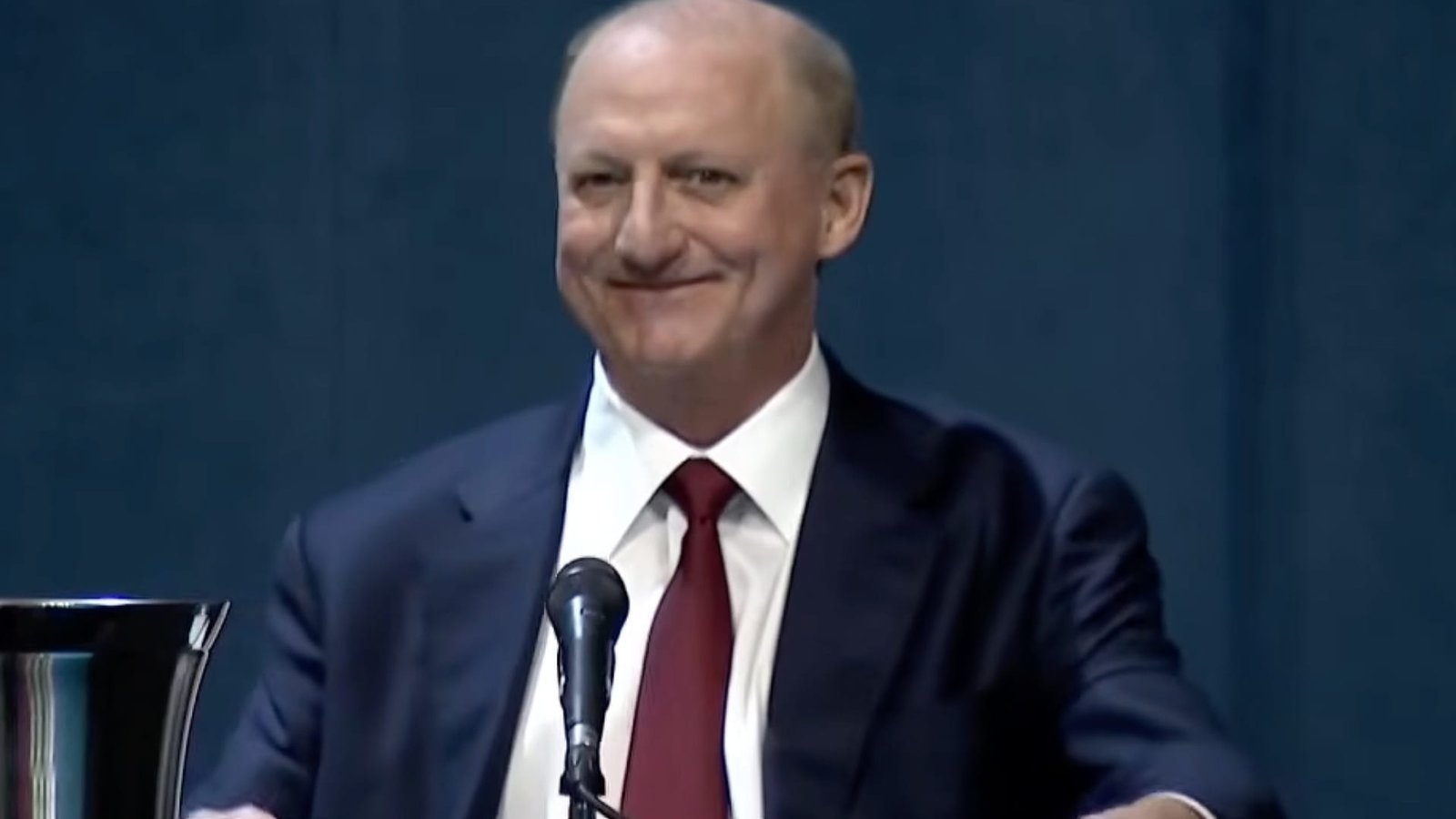
During this quarter, Berkshire repurchased approximately $4.5 billion of its own shares, marking a significant increase from $235 million in the first quarter of 2026. This buyback strategy reflects CEO Greg Abel’s approach in utilizing the substantial cash reserve inherited from Warren Buffett, which now stands at $365.5 billion, down from $397.4 billion at the end of March. Abel’s leadership marks a shift toward active investment after a prolonged period of selling stocks, with the company becoming a net buyer of equities, totaling nearly $20 billion in net purchases.
Berkshire’s stock price has risen 9% over the last three months, although the shares are up only 3% year-to-date, trailing behind the S&P 500’s 13% gain. The company’s investment portfolio now includes significant stakes in Alphabet, American Express, Apple, Bank of America, and Coca-Cola. The $10 billion investment in Alphabet earlier this year highlights Abel’s commitment to AI-driven growth while aligning with Buffett’s long-term value investment philosophy.
Why this story matters:
- Reflects Berkshire Hathaway’s strategic financial shifts under new leadership.
Key takeaway:
- CEO Greg Abel is actively deploying cash for stock buybacks and investments, signifying a new era for the company.
Opposing viewpoint:
- Some investors remain concerned about the company’s underperformance relative to market benchmarks.