



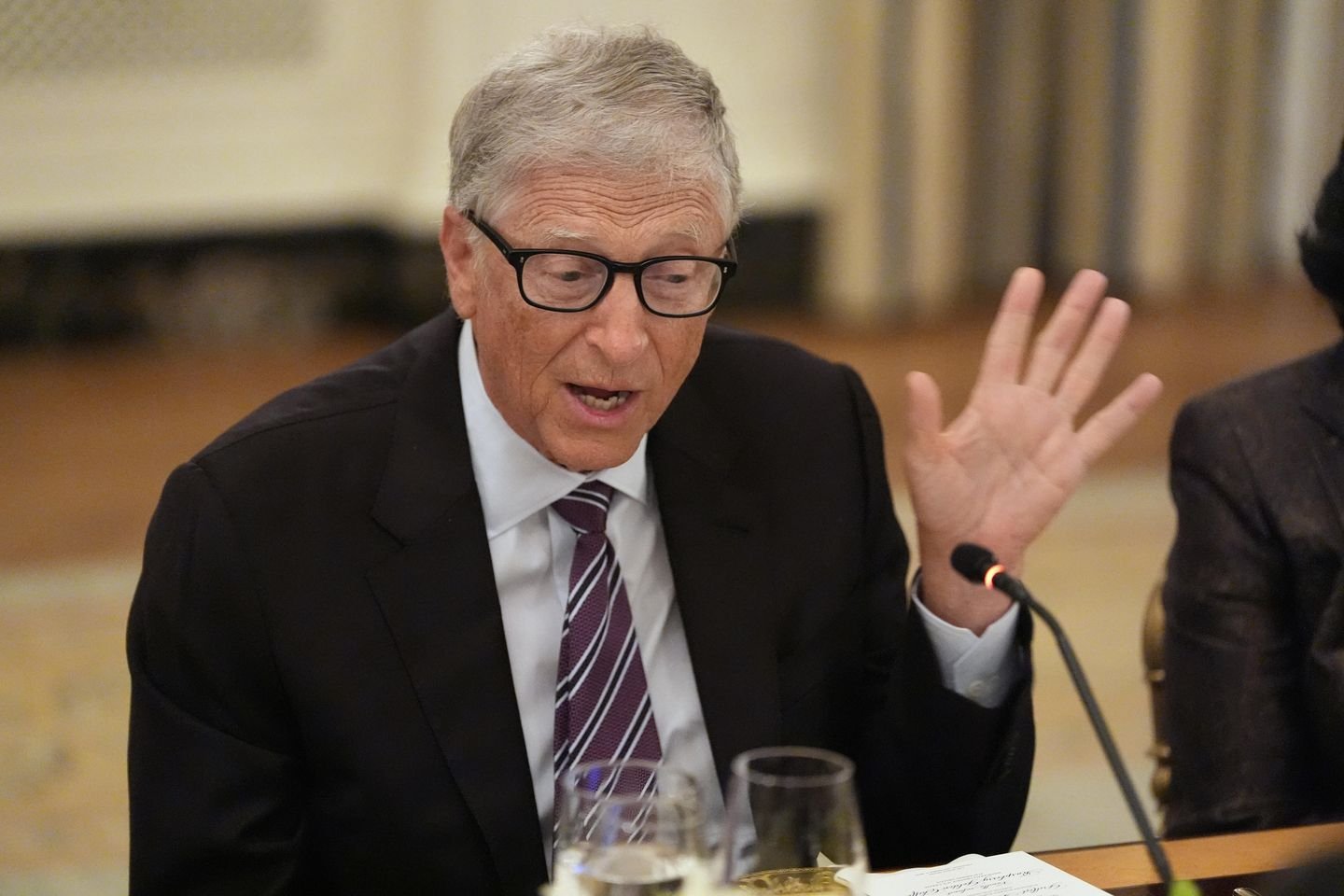
Microsoft co-founder Bill Gates has expressed concerns regarding the rapid evolution of artificial intelligence (AI) and its potential risks to humanity. In a recent interview, he emphasized the necessity for government regulation to manage AI’s development and mitigate potential dangers. Gates warned that without appropriate oversight, AI could pose significant threats, possibly endangering large segments of the population.
Gates highlighted the need for proactive measures to ensure that AI technologies are developed safely and ethically. He argued that as AI systems become increasingly powerful and autonomous, society must address the ethical implications and unforeseen consequences that could arise from their widespread deployment.
In his call for regulation, Gates pointed out that while AI holds immense promise for advancing various sectors, including healthcare and education, unchecked progress could lead to catastrophic outcomes. He advocated for a collaborative approach that involves governments, tech companies, and regulatory bodies to establish frameworks that ensure responsible AI use.
The discourse surrounding AI regulation is becoming more salient as advancements in technology continue to accelerate. Stakeholders in the tech industry are urged to engage in discussions about standards and policies that balance innovation with safety.
Why this story matters
- The discussion of AI regulation is crucial as technology evolves rapidly, impacting various aspects of society.
Key takeaway
- Bill Gates stresses the importance of government involvement in regulating AI to prevent potential existential risks.
Opposing viewpoint
- Some industry experts argue that excessive regulation could stifle innovation and hinder the potential benefits of AI advancements.