

British Airways is transforming its fleet with the introduction of what it describes as the "world’s largest" business-class cabin, reflecting a strategic shift towards catering to high-spending travelers. This ambitious overhaul includes significant modifications to the Airbus A380, the largest passenger aircraft globally, and enhancements to ground services at its London Heathrow hub.
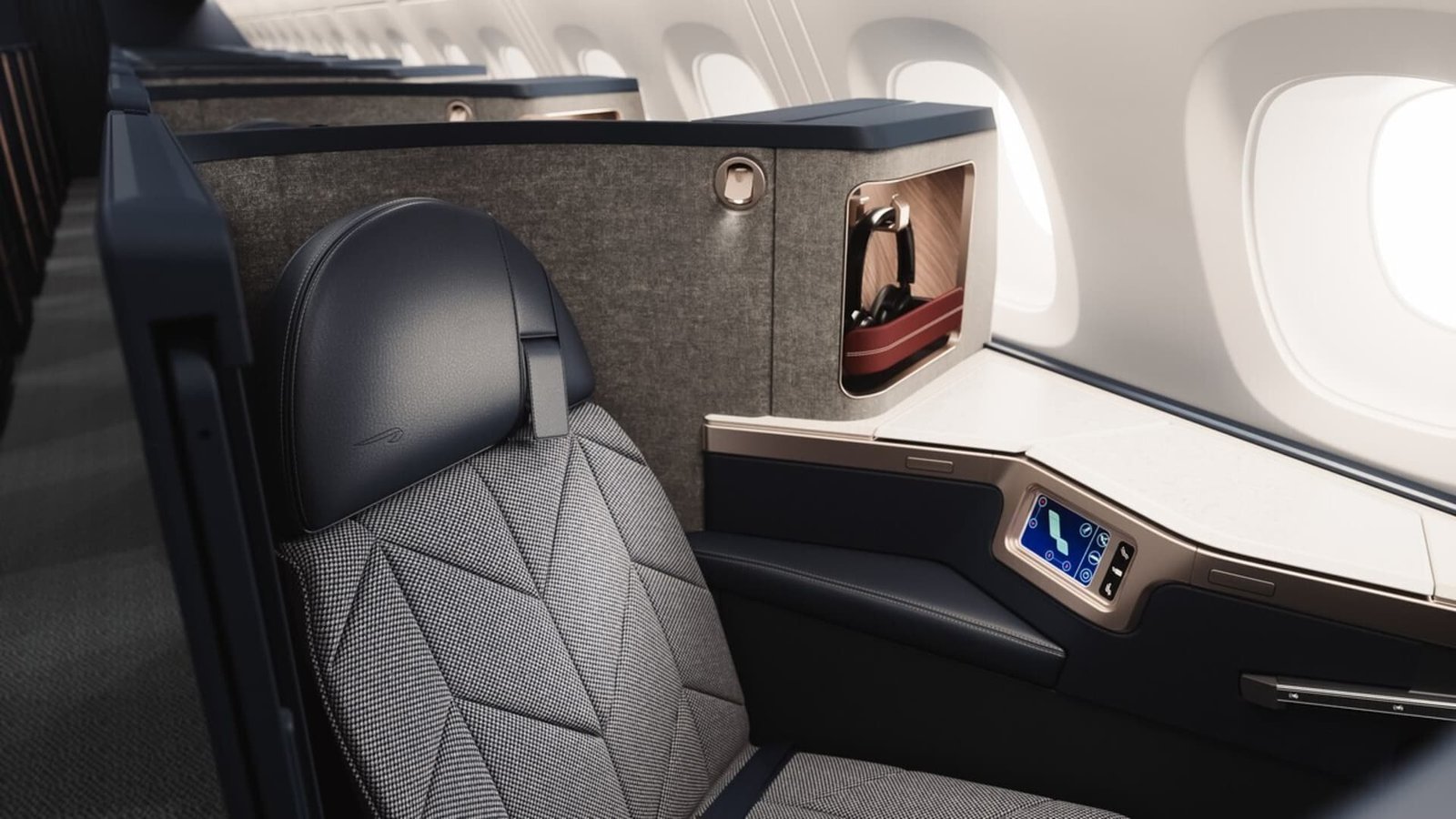
The revamped configuration will feature a 106-seat business-class cabin, increasing from the previous 97 seats. First class will see a reduction from 14 to 12 suites, while premium economy will expand to 84 seats from 55. Standard economy seating will decrease substantially, from 303 to just 215 seats. The new business-class suites will occupy the entire upper deck of the A380 and will include sliding doors for added privacy.
This move aligns with a broader industry trend as airlines invest heavily in premium seating options due to growing demand from travelers seeking more luxurious experiences on long-haul flights. Competitors are also exploring similar routes; for instance, American Airlines recently introduced a 70-seat business class on its largest Boeing aircraft. Qantas’ CEO highlighted that there is a clear market for high-end travel, with customers willing to pay extra for enhanced comfort.
Notably, the market for premium seats has seen significant price increases, with extra legroom options often exceeding $200 per leg and premium economy surcharges reaching over $1,000 post-purchase. The most exclusive seats can cost passengers upwards of $5,000, and in some cases, even exceed $10,000 for longer journeys. Delays in aircraft deliveries have occurred due to the complexity of the new seating designs, which require extensive parts and regulatory approvals. British Airways’ investment in the A380 reflects a commitment to this aircraft type at a time when many airlines are opting for smaller, more efficient jets.
Why this story matters: The shift towards premium travel signals a changing airline industry landscape where passenger preferences are prioritized.
Key takeaway: Airlines are increasingly focusing on luxurious travel options, anticipating demand from high-spending customers.
Opposing viewpoint: Critics may argue that reducing standard economy seats could alienate price-sensitive travelers, limiting accessibility.