



Every industry faces the challenge of promising technologies that consistently seem just out of reach. In the automotive sector, solid-state batteries have been highlighted as a transformative advancement since as early as 2017. Advocates promise longer ranges and faster charging times, with safety improvements stemming from the replacement of liquid electrolytes with solid ones. However, despite these claims, practical applications face significant hurdles.
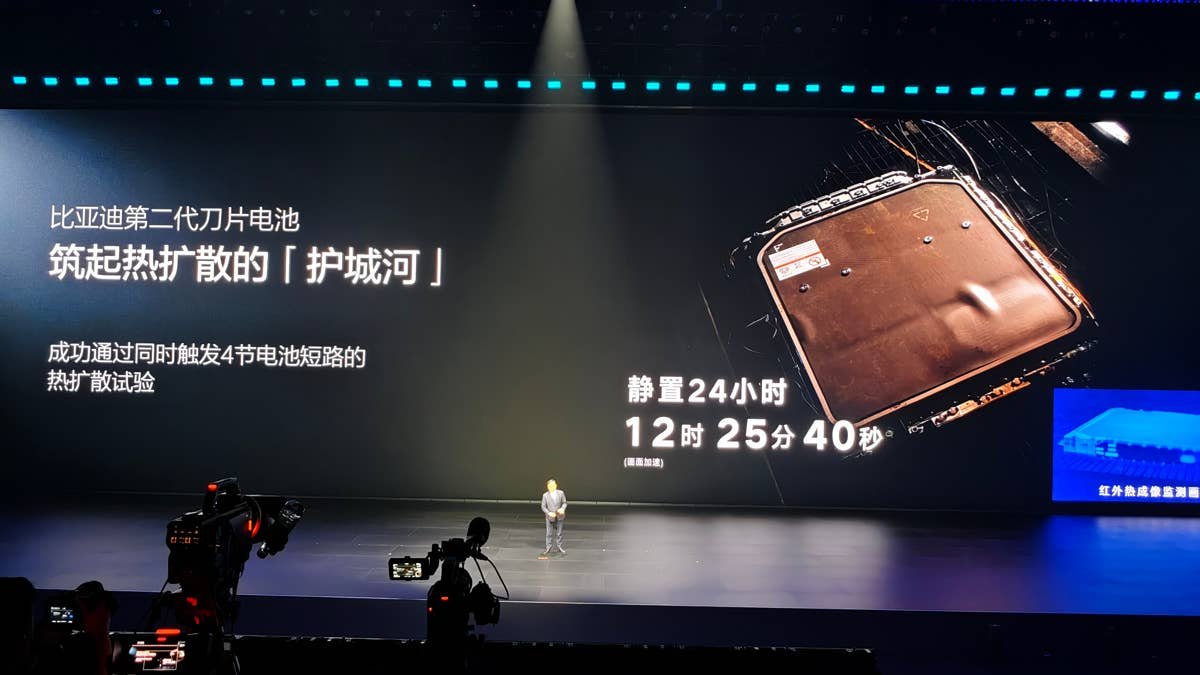
Toyota and Samsung SDI initially set ambitious timelines, targeting advancements in the 2027 to 2028 timeframe. However, Chinese automaker BYD is taking a proactive approach, announcing plans to have a vehicle featuring solid-state battery technology on the road next year, as stated by BYD Executive Vice President Stella Li. While this announcement marks a significant step, precise details regarding production timelines, specific vehicle models, and performance metrics remain vague, indicating that the development is still in the demonstration phase.
Challenges associated with solid-state batteries include complex manufacturing processes and the need to maintain contact between battery components as they expand and contract through charge cycles. The cost of materials for solid-state technology also significantly exceeds that of traditional liquid electrolytes, raising questions about economic feasibility and production scalability.
Despite these challenges, both BYD and Toyota are advancing their efforts. Toyota’s partnerships are focusing on solid electrolyte production, while General Motors is investing in sodium-ion battery technology aimed at reducing reliance on Chinese supply chains. Many automakers appear to be prioritizing cost-effective lithium-ion solutions over solid-state developments in the interim, representing a strategic trade-off in the race towards electric vehicle innovation.
Bullet Points:
- Why this story matters: It highlights the ongoing technological competition in the automotive industry, particularly in the context of electric vehicle advancements.
- Key takeaway: Solid-state batteries promise significant advancements, but practical and economic challenges suggest a longer timeline for wider adoption.
- Opposing viewpoint: While BYD’s initiative is seen as a potential breakthrough, traditional liquid battery solutions may remain dominant for years.