



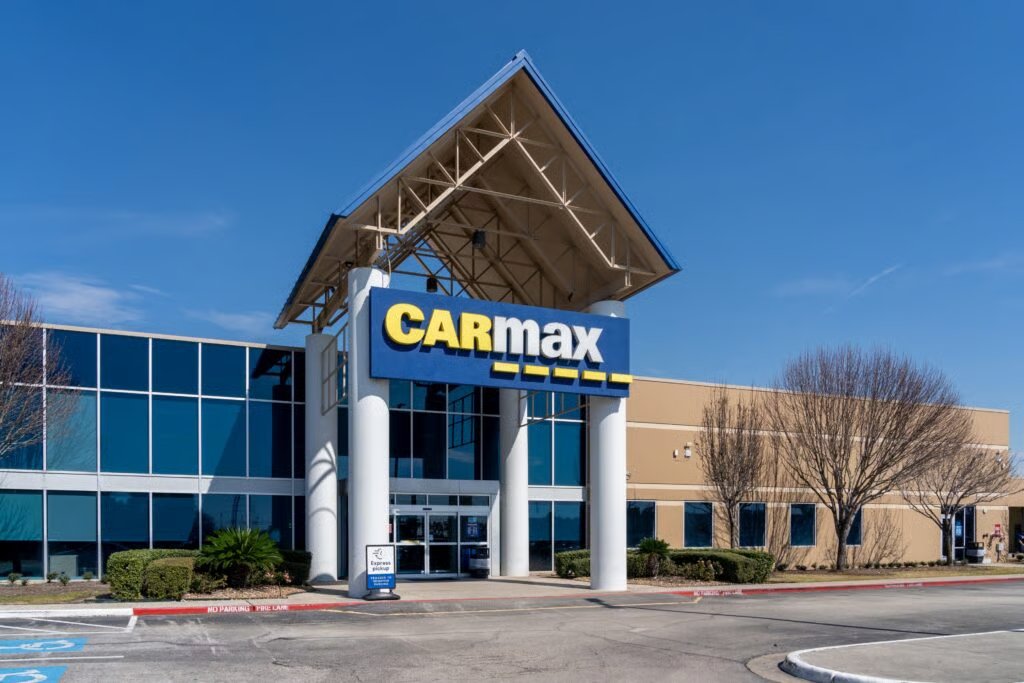
CarMax, a leading used vehicle retailer, is anticipated to report fourth-quarter (Q4) revenue of $5.73 billion, a decline from $6.00 billion in the same period last year, according to Benzinga Pro. Analysts expect earnings per share (EPS) to fall to 23 cents, a significant drop from 64 cents year-over-year. Despite these forecasts, CarMax has outperformed analyst revenue expectations in six out of the last ten quarters, notably including the most recent third quarter. Similarly, it has surpassed EPS estimates in five of the past ten quarters, maintaining a consistent pattern over the last two years.
Recent analyst ratings reflect a cautious outlook. Evercore ISI has maintained an in-line rating but reduced its price target from $45 to $40. On the other hand, Stephens & Co. kept its equal-weight rating and increased its price target from $39 to $43. Baird maintained an outperform rating while also raising its price target from $44 to $48.
A key area of focus for CarMax is its relationship with activist investor Starboard Value, which has advocated for board changes and efficiency improvements. Recently, CarMax appointed two new executives in a move signaling a commitment to unlocking shareholder value. The newly appointed CEO, Keith Barr, aims to drive a turnaround within the company.
Additionally, consumers may be influenced by rising gas prices, potentially resulting in longer vehicle ownership and a shift towards more fuel-efficient or electric vehicles (EVs). Analysts expect CarMax to address how evolving consumer preferences may affect their margins and growth prospects in this upcoming earnings report.
Why this story matters: The upcoming earnings report will provide insights into CarMax’s financial health amid changing market dynamics and investor expectations.
Key takeaway: Analysts predict a decrease in revenue and earnings per share for CarMax, while new leadership and investor pressure may prompt significant changes.
Opposing viewpoint: Some investors may argue that collaboration with activist investors can lead to positive transformations, enhancing shareholder value despite current challenges.