



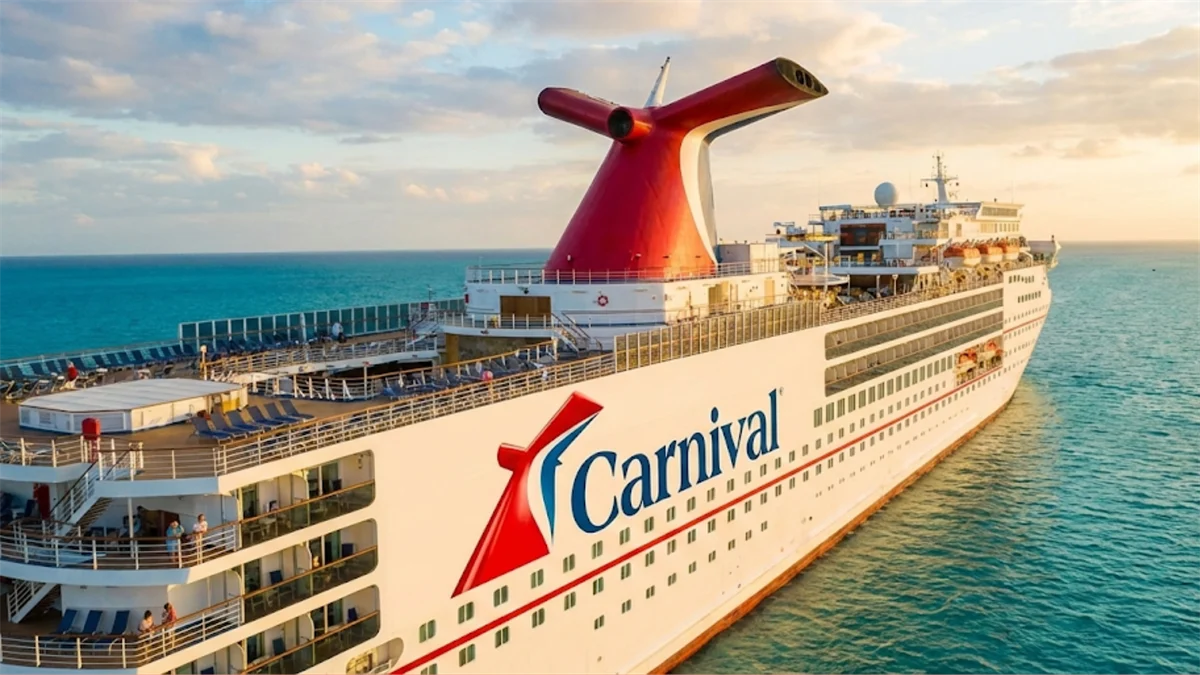
Carnival Corporation has surpassed earnings expectations and reinstated its quarterly dividend, marking a significant shift in its financial trajectory. After a challenging period dominated by concerns over cash burn and debt during the global shutdowns of 2020, the cruise giant has transitioned from survival mode to a focus on capital returns and sustainable growth.
For the first time since suspending its dividend in 2020, Carnival announced a payout of 15 cents per share, set for distribution on February 27, 2026, to shareholders recorded by mid-February. This decision underscores management’s confidence in the company’s ability to generate stable cash flows, enabling both debt reduction and shareholder rewards.
The reinstatement of the dividend coincides with strong operational performance in 2025. The company posted an Adjusted EPS of 34 cents for the fourth quarter, exceeding analyst expectations, while revenue reached $6.33 billion—up 6.6% year-over-year. For the full fiscal year, Carnival reported record revenues of $26.6 billion, along with a significant adjusted net income increase of 60%, affirming consumer demand for cruise vacations.
In addressing its financial liabilities, Carnival reduced total debt by over $10 billion. By the end of 2025, the company achieved a net debt-to-adjusted EBITDA ratio of 3.4, which is deemed investment grade, enabling greater access to capital markets. Looking ahead, with two-thirds of its 2026 inventory already booked at elevated prices and no new ships on order, Carnival is well-positioned to capitalize on market demand.
Additionally, a proposed unification of its dual-listed company structure into one entity could further enhance liquidity and attract institutional investors. With its focus shifting to long-term growth and cash generation, Carnival appears poised for a robust investment future.
Why this story matters
- Carnival’s return to dividend payments signals regained investor confidence and marks a shift from crisis management to growth strategy.
Key takeaway
- The company has achieved significant operational improvements while reducing debt, setting the stage for continued profitability.
Opposing viewpoint
- There are concerns regarding the volatility of the cruise industry and ongoing economic uncertainties that could affect future profitability.