
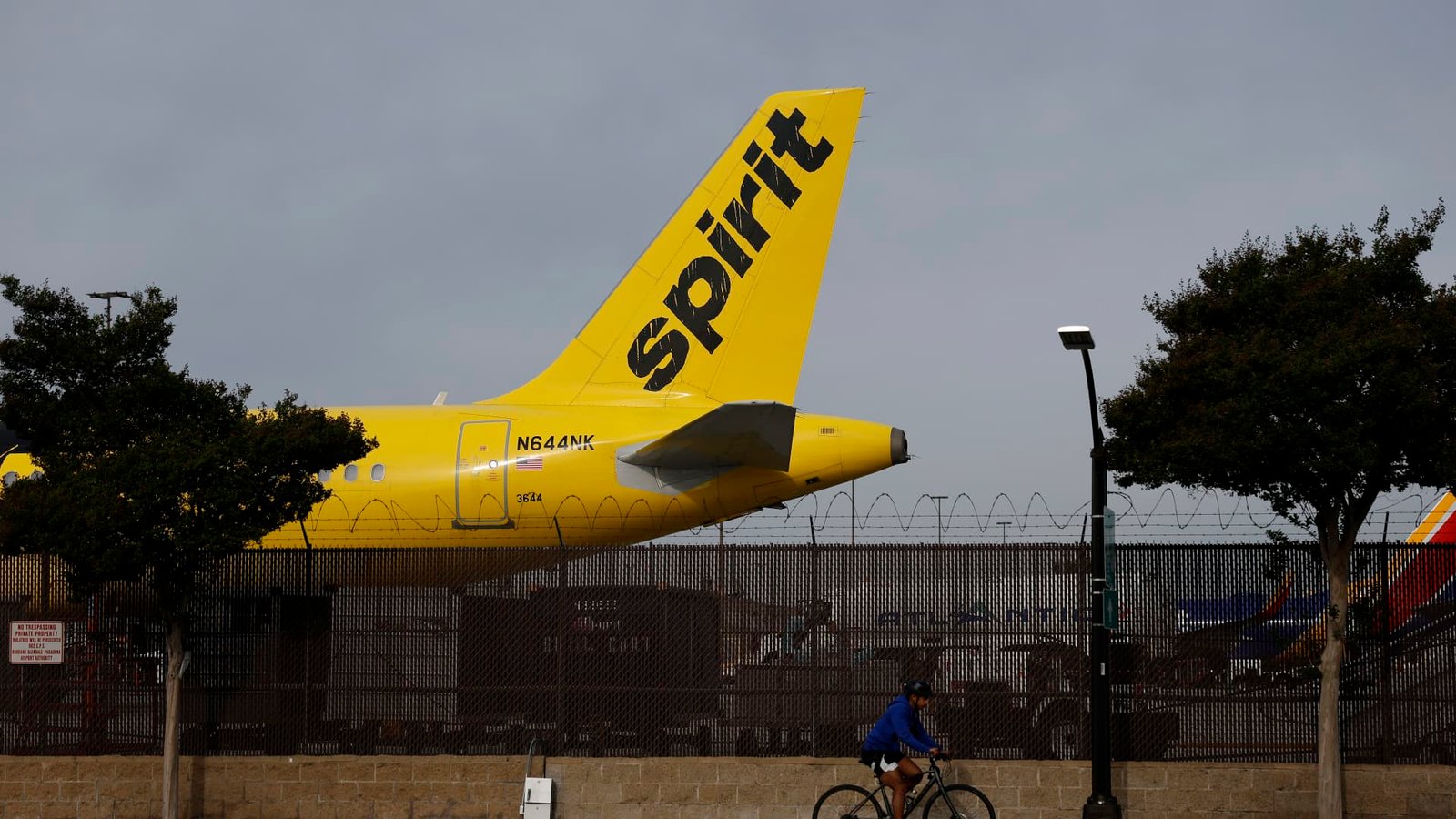
Spirit Airlines has entered a phase of significant turmoil, exacerbated by rising jet fuel prices and competitive pressures from larger airlines. After struggling for years and filing for bankruptcy twice in less than a year, the airline’s CEO, Dave Davis, lamented that the company "ran out of runway."
Spirit Airlines had been optimistic about exiting bankruptcy in mid-2026, but the situation deteriorated as crude oil prices exceeded $100 a barrel, complicating recovery efforts. Davis noted that prior to the escalation of conflict in Iran, discussions were underway for a potential $500 million loan from the Trump administration, which would have given the U.S. government a substantial stake in the company. However, the terms remained contentious, and by early May, it became evident that a resolution was unlikely.
The airline’s demise affected approximately 17,000 workers and disrupted air travel across the nation, with other airlines quickly stepping in to accommodate stranded passengers. Despite efforts to cut costs and streamline operations following an initial bankruptcy last year, Spirit failed to make sufficient structural changes, a common criticism from industry experts.
In the current landscape, larger airlines have adopted low-cost strategies that once distinguished Spirit, further challenging the budget airline’s viability. Without the anticipated merger with JetBlue being realized, Davis expressed concern that Spirit might have avoided its current predicament.
As the airline moves towards closure, approximately 130 employees will remain to oversee the winding down of operations, including returning leased aircraft and managing airport gates.
Why this story matters:
- The collapse of Spirit Airlines highlights vulnerabilities in the airline industry, particularly for low-cost carriers.
Key takeaway:
- Competitive pressures and external factors, such as fuel prices and larger airline strategies, significantly impacted Spirit’s survival.
Opposing viewpoint:
- Some analysts believe that Spirit could have survived if it had undertaken more significant restructuring efforts during its previous bankruptcy.