



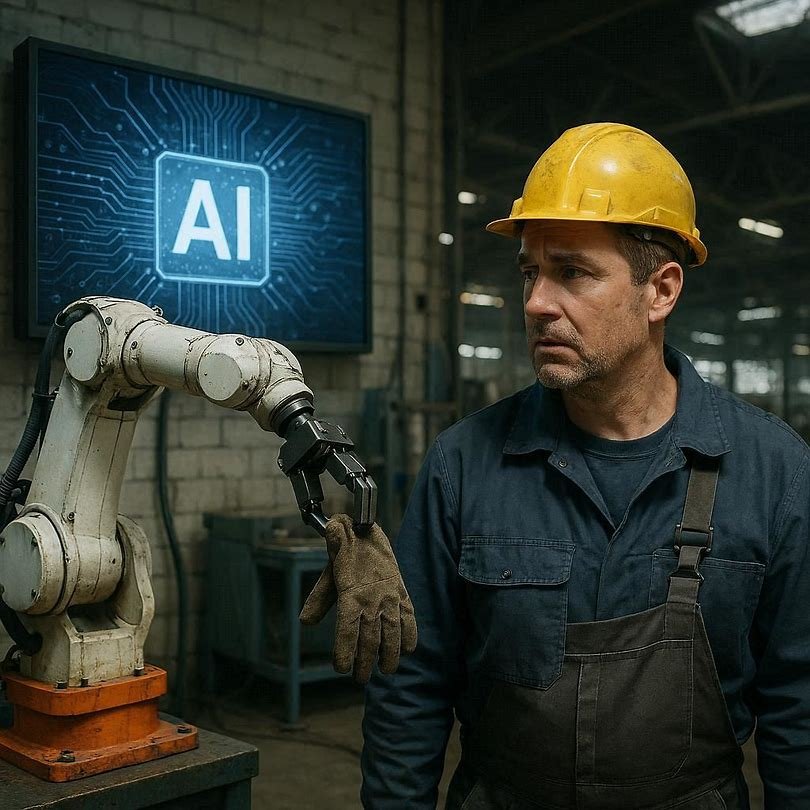
The landscape of hiring is undergoing a significant transformation due to artificial intelligence (AI), particularly in customer service roles. Recent data indicates a drastic decline in the proportion of new hires entering this sector, dropping from 8.3% to 2.9%—a reduction of 65% within just two years.
Historically, customer support has been a crucial area for expansion, with demand growing alongside customer bases. However, advancements in large language models have enabled AI to manage many routine tasks such as handling FAQs, processing refunds, and performing basic troubleshooting, often more efficiently than human agents. Microsoft previously reported savings of $500 million by automating its customer service processes, illustrating this shift’s economic implications.
As AI continues to enhance its capabilities, businesses require fewer customer support representatives. Currently, over 2.8 million individuals are employed in customer service in the U.S., making it one of the largest job categories. As these roles diminish, executives are restructuring their companies to adapt. For instance, Jack Dorsey, CEO of Block, recently laid off 40% of his workforce, citing AI’s potential to enable a smaller team to operate more effectively.
The trend is not limited to customer service; as AI technologies advance, they are expected to influence other white-collar jobs as well. While AI may streamline many tasks, it also presents opportunities for human workers to focus on complex challenges requiring judgment and experience.
In summary, the integration of AI in the workplace signifies a profound change in both the quality and quantity of jobs available.
Why this story matters:
- Shifts in hiring patterns reveal the growing influence of AI on labor markets, impacting millions of workers.
Key takeaway:
- AI’s capacity to handle repetitive tasks is reducing the need for new hires in customer support and potentially other sectors.
Opposing viewpoint:
- Some argue that AI could lead to more opportunities as it transforms job roles, enabling employees to focus on higher-level tasks.