



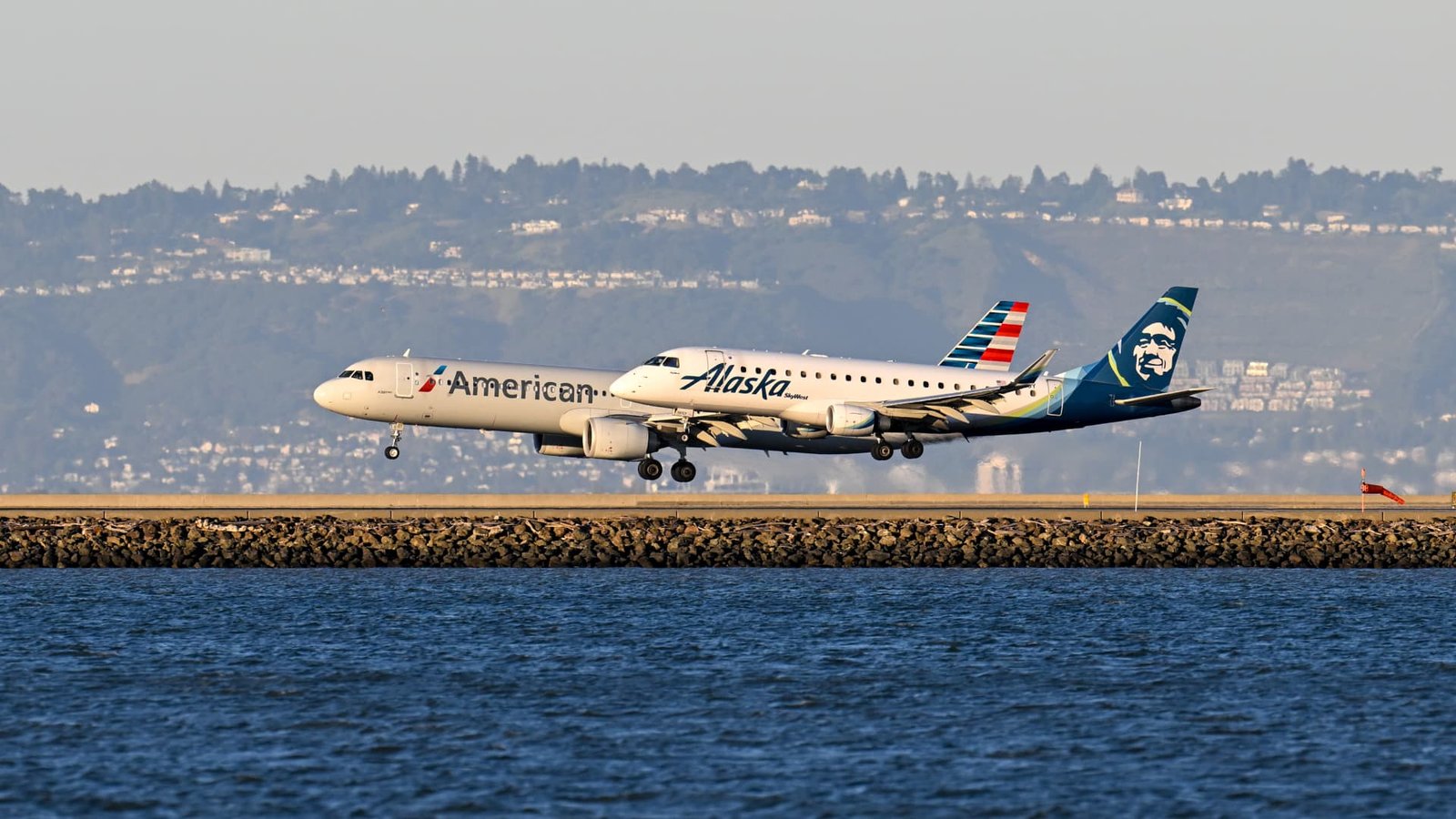
Airfare trends in the U.S. for the upcoming fall reflect a significant increase compared to the previous year, with domestic flights witnessing price hikes. Thanksgiving fares have surged by more than 30% relative to last year, while overall holiday prices have climbed over 23%. These increases are attributed to airlines passing on the rising costs of jet fuel to consumers, as reported by flight-tracking website Hopper.
Despite the general price rise, there are still some lower-cost options available for travelers. Notably, flights connecting Atlanta, the busiest airport in the world, to various destinations in the Midwest and Southeast offer some of the cheapest fares in November. Additionally, short trips, such as those within Florida or the Hawaiian Islands, present budget-friendly alternatives.
However, flight duration is not the sole determinant of cost. Routes serving Nantucket and Martha’s Vineyard to major cities like New York and Washington, D.C., rank among the most expensive. Surprisingly, flights originating from remote areas in Alaska to the East Coast are the priciest in the country, despite Alaska being an oil-producing state. This discrepancy is largely due to the state’s reliance on imported jet fuel.
As consumers plan their travel for the fall and winter seasons, awareness of these airfare trends will be crucial in securing cost-effective options while navigating the impact of rising fuel prices on ticket costs.
Why this story matters:
- Understanding airfare fluctuations can help consumers plan travel and budget effectively.
Key takeaway:
- Domestic airfare has increased significantly, especially for the holiday season, while some bargains remain for specific routes.
Opposing viewpoint:
- Some travelers may argue that despite rising costs, the convenience and frequency of flights still make air travel a viable option compared to other transportation methods.