


China is set to increase its defense spending by 7% this year, reflecting the slowest annual rise since 2021, according to documents that are expected to be released during the National People’s Congress. This budgetary proposal arrives amid escalating conflicts in the Middle East and growing geopolitical tensions globally.
In recent years, China has consistently budgeted annual increases of around 7.2%, with notable hikes of 7.1% in 2022 and 6.8% in 2021. The upcoming budget is aligned with the government’s objective to enhance advanced combat capabilities and ensure the “high-quality” modernization of its national defense and armed forces. The report also emphasizes recent advancements, including the commissioning of China’s first domestically built aircraft carrier, the Fujian, in November 2025.
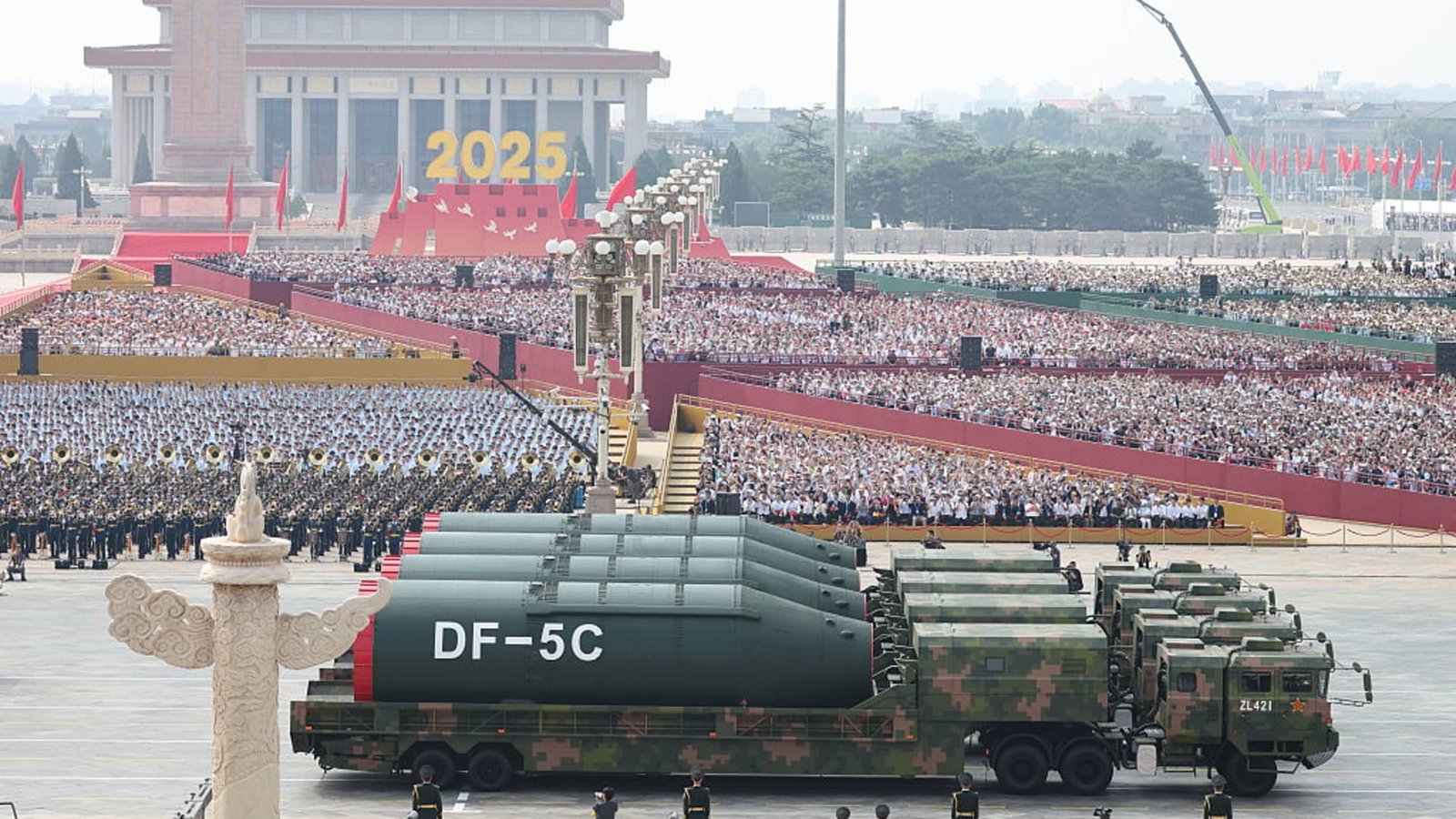
During a military parade in September, various new weapon systems, including long-range missiles, were showcased to demonstrate China’s military advancements. Last year, the proposed national defense budget was 1.78 trillion yuan (approximately $244.99 billion), although analysts believe that this figure is understated and excludes substantial “off-budget” expenditures. The U.S. Department of Defense estimates that China’s actual defense spending could be between $304 billion and $377 billion, surpassing its officially stated budget by a significant margin.
In terms of global military expenditure, China accounted for nearly 44% of Asia’s defense spending in 2025, an increase from 39% in 2017. Currently, China’s military spending ranks second in the world, following the United States, which allocated around $849.77 billion for defense in the same fiscal year.
Why this story matters
- It highlights China’s growing military capabilities and strategic priorities amid global tensions.
Key takeaway
- The planned 7% increase in defense spending reflects a shift in military investment strategies for China.
Opposing viewpoint
- Some analysts suggest that the official defense budget figures may be significantly lower than actual spending, raising concerns about transparency.