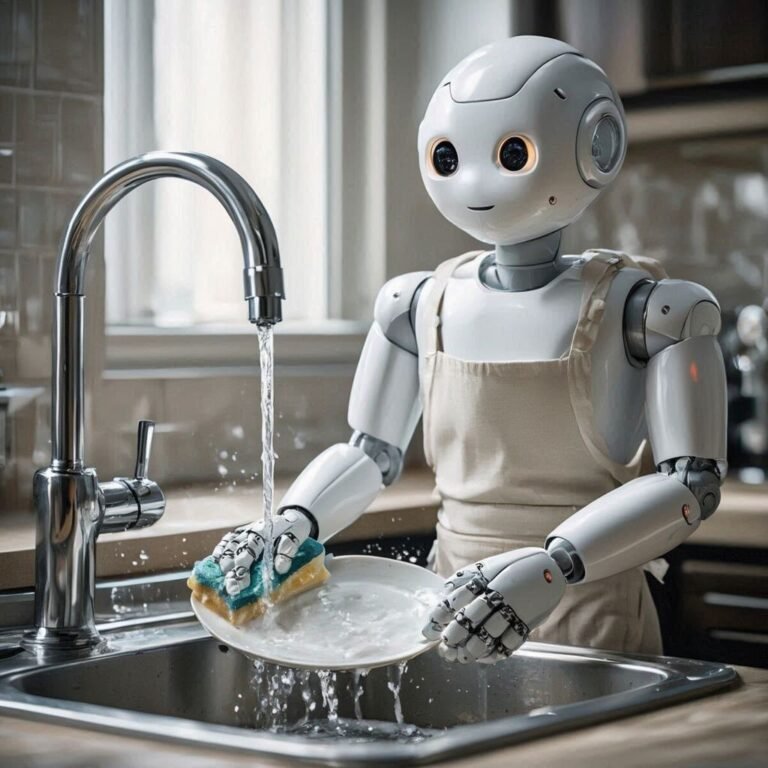



Humanoid robots recently showcased their advanced capabilities by performing a synchronized martial arts routine during China’s Lunar New Year Gala, a televised event attracting hundreds of millions of viewers. This performance marks a significant leap in robot technology, demonstrating improved balance, coordination, and agility that suggest humanoid robots might soon play a more integral role in both industrial and domestic settings.
The humanoid robotics sector is experiencing a surge in investment, with approximately $4.6 billion funneled into it in 2025—nearly tripling the amount from the previous year. Recently, Apptronik, a robotics firm backed by prominent investors like Google and Mercedes-Benz, announced a $520 million funding round to develop its Apollo robot, aimed at factories and warehouses.
As traditional industrial robots operate in controlled environments, humanoids are designed to function in spaces designed for humans, capable of navigating complex environments like stairs and narrow aisles. This versatility could reduce the need for companies to redesign facilities for specialized machines, creating a substantial economic opportunity in a global robotics market projected to exceed $110 billion by 2030.
China is leading the way in humanoid robotics development, with over 150 manufacturers and support from national policies prioritizing advanced manufacturing. This momentum is fueled by the aging populations in developed economies, increasing the need for automation in industries like logistics and healthcare.
Ultimately, the practical deployment of humanoid robots hinges on their ability to deliver reliable performance in real-world applications. If they can effectively handle various physical tasks, the demand for humanoids could escalate rapidly, transforming them from a source of entertainment to essential components of the workforce.
- Why this story matters: The advancement of humanoid robots signifies a potential shift in automation and labor dynamics.
- Key takeaway: Investment in humanoid robotics is rapidly increasing, driven by technological advancements and labor market demands.
- Opposing viewpoint: Some critics view such performances as mere publicity stunts rather than indications of practical application.