

In a recent development, U.S. Treasury Secretary Scott Bessent announced measures aimed at cutting off businesses that assist Iran in evading sanctions from the U.S. financial system. This puts Chinese banks in a challenging position, as they must balance their operations with Iran and maintain access to the U.S. dollar. Bessent indicated that those facilitating transactions linked to Iranian oil would face repercussions, part of a broader initiative termed "Economic D-Day" against Iran.
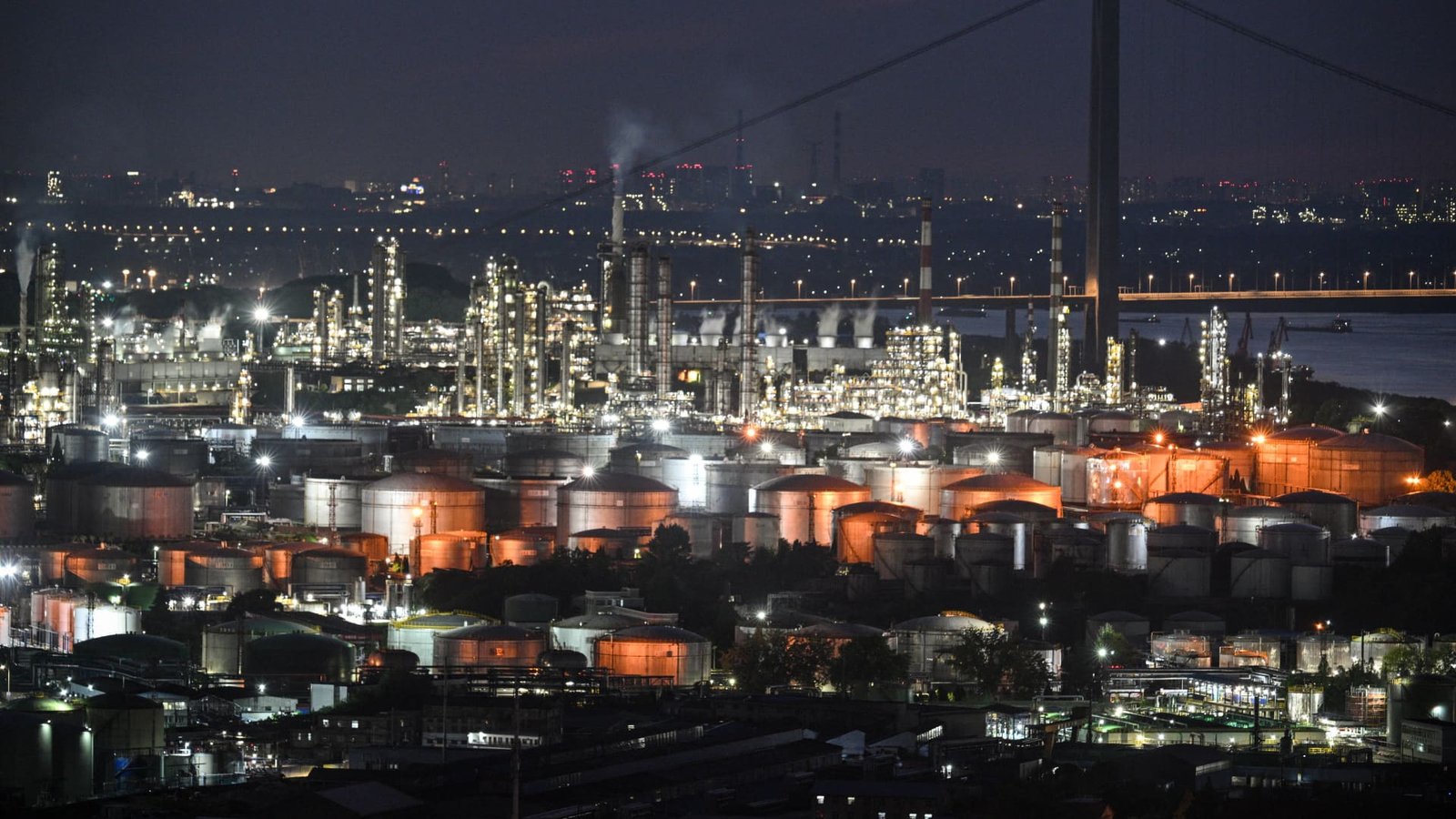
In response, a spokesperson from China’s foreign ministry expressed the country’s intention to take "all necessary measures" to safeguard its interests. Historically, China has been Iran’s largest trading partner, purchasing around 90% of its exported oil prior to the war, which constituted approximately 12% of China’s crude imports.
The U.S. sanctions, designated "Operation Economic Outcast," have flagged various Chinese companies and individuals for allegedly supporting the Iranian military. As additional pressure mounts, China contemplates its next moves, particularly ahead of an upcoming summit between U.S. President Trump and Chinese President Xi Jinping.
Despite the escalating tensions, analysts suggest that China will seek to maintain its role in the global financial system while cautiously responding to U.S. sanctions. The Cross-Border Interbank Payment System (CIPS) in China serves as an alternative to U.S. dollar dominance, reflecting the nation’s long-term strategy to diversify its financial resources. Recent currency swap agreements with countries like Argentina and Australia indicate China’s attempts to bolster its currency’s use in international transactions.
While the U.S. dollar continues to dominate global payments, China appears intent on preserving its economic ties with both Iran and other countries, despite mounting pressures from U.S. sanctions.
Why this story matters
- Highlights escalating U.S.-China tensions over economic sanctions and oil trade.
Key takeaway
- China is seeking to balance its support for Iran with the need to maintain access to U.S. financial systems.
Opposing viewpoint
- The U.S. maintains that China’s compliance with sanctions is crucial for international law and regulations, complicating bilateral relations.