


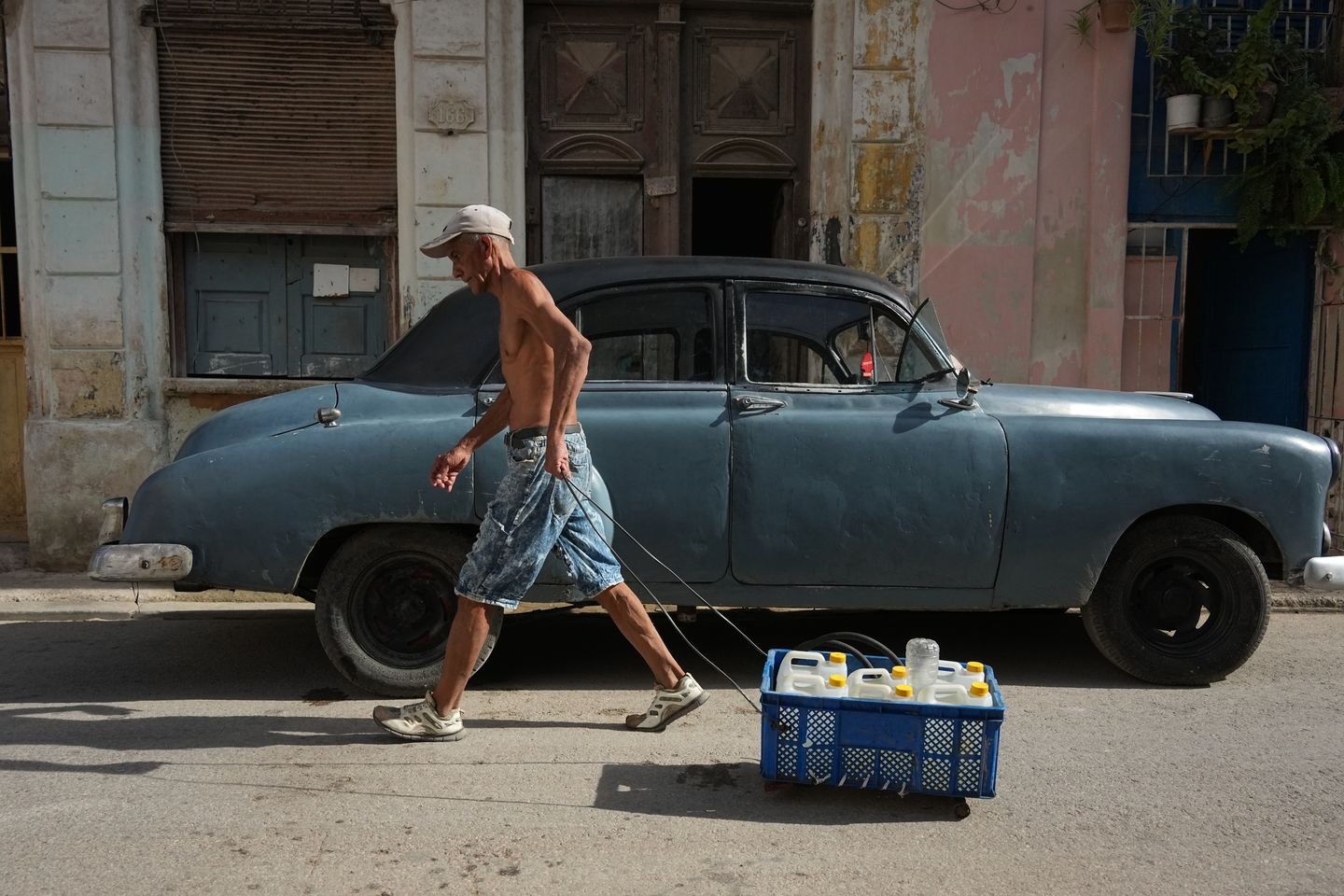
Cuba’s tourism sector has experienced a significant decline in recent months, largely attributed to increased pressure from the United States. This escalated stance includes intensified restrictions on international tour operators and the enforcement of an energy embargo, which together have impacted the island’s tourism industry.
This downturn in tourism comes at a time when many countries are beginning to recover from the pandemic’s effects on travel. The U.S. government’s measures have not only deterred potential visitors but have also created challenges for travel agencies that previously facilitated trips to the island. As the situation evolves, stakeholders within Cuba’s tourism sector are expressing concern over the long-term implications for the industry and the broader economy.
In light of these developments, the Cuban government is exploring alternative strategies to attract tourists and mitigate the effects of the U.S. restrictions. However, uncertainties remain regarding the future of tourism in Cuba, as international travel dynamics continue to shift amid geopolitical tensions.
– Why this story matters: The decline in tourism affects the Cuban economy and its dependency on international visitors.
– Key takeaway: Increased U.S. pressure is significantly harming Cuba’s tourism sector, prompting concerns for future recovery.
– Opposing viewpoint: Some argue that the actions against Cuba are necessary to promote human rights and accountability.