


Consumers are increasingly cautious about salad consumption this summer due to ongoing cyclospora outbreaks. On July 18, shortly after the Food and Drug Administration (FDA) announced the outbreak, traffic to Chopt Creative Salad Co. locations dropped by 24%, as indicated by Placer.ai data. Similarly, Sweetgreen reported a decline of approximately 6 percentage points in same-store sales for July and revised its annual outlook downward.
The outbreak, linked to iceberg lettuce from a Taylor Farms facility in central Mexico, has affected at least 10,000 individuals, prompting Taylor Farms to recall specific products. Taco Bell, which frequently uses iceberg lettuce, experienced a drop in sales following the FDA warning but has since noted a recovery. The FDA is simultaneously tracking several other smaller active outbreaks, complicating efforts to identify all contaminated items due to the long incubation period associated with cyclosporiasis.
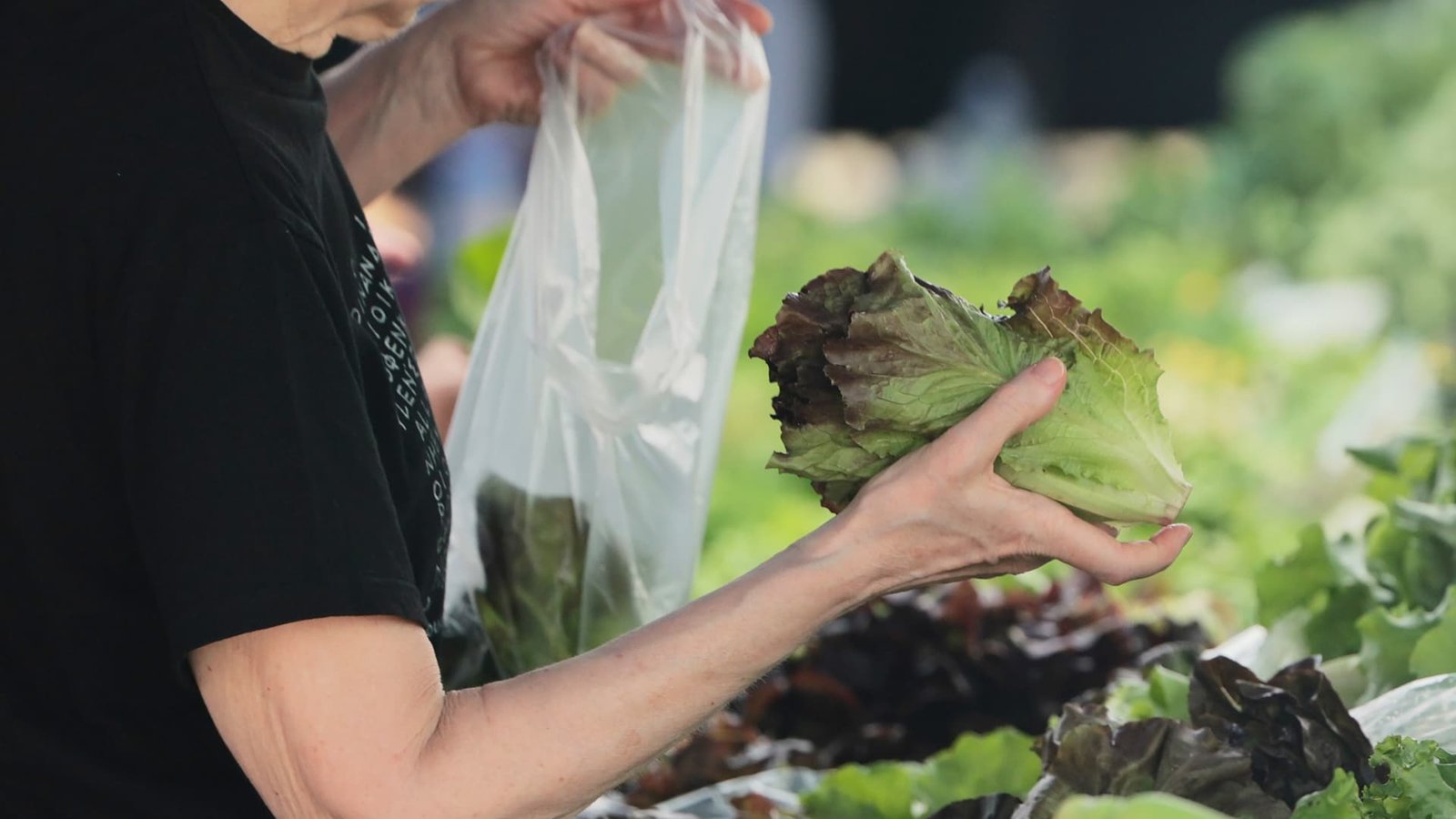
Cyclospora, a waterborne parasite, is predominantly spread through contaminated produce, including lettuce and herbs. In light of the outbreak, public health officials advise consumers to discard outer layers of fruits and vegetables. As a result, many diners are opting to avoid salads altogether. Chipotle Mexican Grill has also experienced a decline in sales, as fresh produce is central to its menu offerings.
In response, restaurant chains such as Sweetgreen and Just Salad are emphasizing their food safety protocols, including sourcing U.S.-grown lettuces and implementing additional washing measures. While some consumers remain wary, others continue to patronize salad establishments, indicating a mixed reaction to the situation. Recently, the Michigan Health Department has lifted its precautionary recommendations against eating salad greens, signaling potential recovery from the outbreak’s impact.
Why this story matters:
- The cyclospora outbreak is affecting consumer behavior and restaurant sales, particularly those reliant on salad ingredients.
Key takeaway:
- Businesses are adapting their messaging to reassure customers while navigating challenges posed by health concerns.
Opposing viewpoint:
- Some consumers, despite health risks, continue to purchase salads, illustrating varying levels of concern about food safety.