


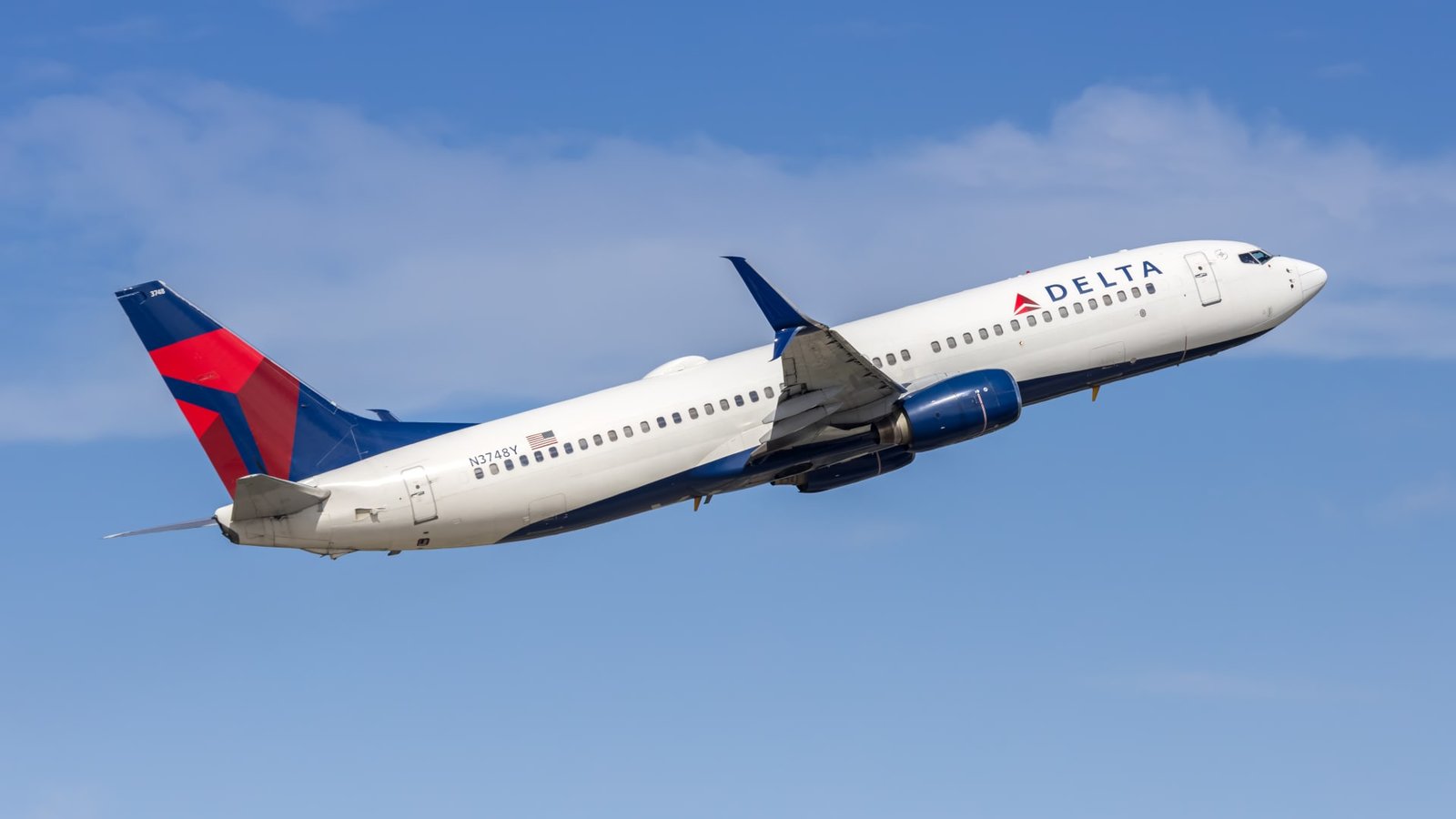
Delta Air Lines CEO Ed Bastian expressed confidence that the airline will meet its profit goals for the year, attributing this optimism to the ability to pass higher fuel costs on to customers. Despite anticipated drops in oil prices, Bastian believes that strong demand and a disciplined approach to capacity expansion will sustain elevated ticket prices.
In a recent interview with CNBC, Bastian noted that Delta is projecting its third-quarter earnings to be between $2.00 and $2.50 per share, surpassing analyst expectations of $2.02 per share. The airline forecasts mid-teen percentage revenue growth for the July-to-September period compared to the same timeframe in 2025, reaffirming its previous full-year earnings forecast of $6.50 to $7.50 per share.
In the second quarter, Delta reported earnings per share of $1.56, exceeding expectations of $1.48, and total revenue of $17.67 billion, above the anticipated $17.53 billion. Demand for premium seating has been particularly strong, with revenue from first-class tickets reaching $6.92 billion, outpacing the $6.85 billion generated from the main cabin.
Additionally, Bastian highlighted an unexpected surge in World Cup-related bookings and noted an increase in corporate travel across various sectors, including aerospace, banking, and automotive. As airlines scale back on growth amid rising fuel costs, airfare has surged nearly 27% year-on-year. Although Delta has passed about 60% of increased fuel costs to consumers, they expect this figure to rise closer to 100% in the upcoming quarter. Despite a 25% decline in net income to $1.6 billion, the company’s strong operating revenue growth of 19% to $19.76 billion reflects its resilience in the current market.
- Why this story matters: The performance of major airlines like Delta can indicate broader economic trends and consumer spending habits.
- Key takeaway: Delta remains optimistic about sustaining high profits through strong demand and strategic pricing despite fluctuating oil prices.
- Opposing viewpoint: Some analysts argue that increasing fuel costs may eventually pressure consumers, leading to a potential drop in demand.