



A coalition of Democrats has introduced an initiative aimed at regulating major technology companies, reflecting some of Europe’s stringent regulations. Dubbed "Project 2029," this plan seeks to impose stricter regulations, including a social media ban for users under 16, alterations to Section 230, enhanced privacy settings, and regulations on AI chatbots. Supporters argue these measures aim to enhance online safety, particularly for children.
Critics, however, express concerns over the ties between Project 2029’s backers and European tech legislation, such as the EU’s Digital Services Act, which has faced significant backlash from American tech leaders. The act requires tech firms to moderate content and safeguard user privacy, with critics suggesting it stifles free speech and disproportionately penalizes American companies. Companies like Meta have already faced billions in fines from the EU under these regulations.
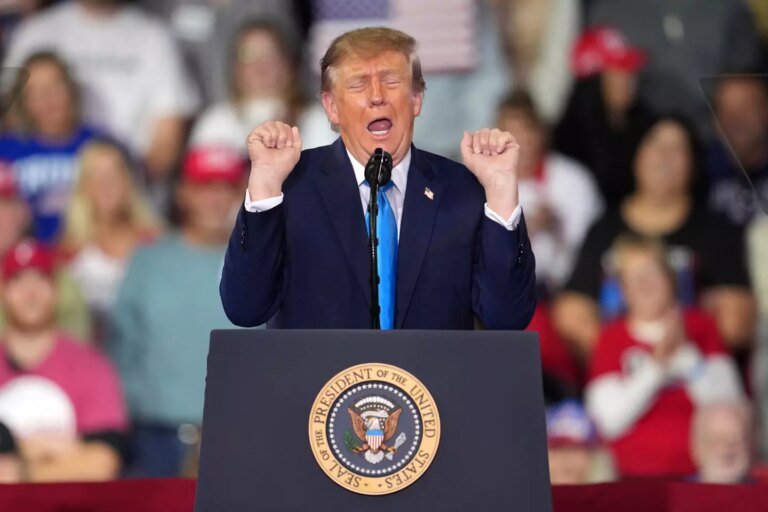
Project 2029 has garnered support from notable figures including Senator Cory Booker and New Jersey Governor Mikie Sherrill. However, some analysts caution that Democrats risk alienating the tech industry, which previously backed President Trump due to perceived hostility from the Democratic Party. The initiative’s advocates emphasize the need for a comprehensive safety agenda, while opponents warn against the implications of adopting European regulatory models.
The push for regulation faces challenges within Congress, as previous bipartisan efforts like the Kids Online Safety Act have stalled due to disagreements over comprehensive solutions. As discussions continue, the broader implications of Project 2029 could significantly shape the political landscape in future elections.
Why this story matters:
- The initiative reflects a growing concern over online safety, particularly for children, amidst increasing scrutiny of Big Tech.
Key takeaway:
- Project 2029 aims to introduce strict regulations on technology companies, drawing inspiration from European laws, which could lead to a significant policy shift in the U.S.
Opposing viewpoint:
- Critics argue that such regulations may infringe on free speech rights and economically disadvantage American tech firms.