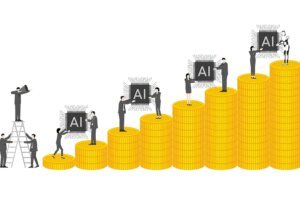



Qualcomm, a leading semiconductor company, experienced a significant turnaround in April, attributed to rising enthusiasm around artificial intelligence (AI). Following a tough start to 2025, where shares fell approximately 15%, Qualcomm’s stock surged nearly 40% during the month, with a notable 15% increase post-earnings report. The company announced that it is expanding into the custom silicon market, preparing initial shipments for a major hyperscaler by December. Its latest earnings call indicated a commitment to enhancing its product line, and more details are expected at the Investor Day in June. Additionally, Qualcomm raised its quarterly dividend by 3.4%, establishing a payment of 92 cents per share, yielding about 2.2%.
In the utilities sector, Southern Company has benefitted from increasing demand, particularly from data centers, which saw power usage spike by 42% year-over-year. The company’s revenue grew 10.6%, prompting a 2.7% dividend increase to 76 cents per share, resulting in a yield of around 3.2%. Southern’s performance is closely aligned with its projections for significant large-load demand growth.
Truck manufacturer PACCAR also announced a 6% increase in its dividend to 35 cents per share, offering a yield of approximately 1.1%. Despite facing challenges in 2025, including tariffs affecting sales, PACCAR remains optimistic about a potential recovery in 2026, with projections of increased truck sales in North America.
Despite the positive developments, analysts remain cautious about Qualcomm, as elevated price targets still hover near current stock prices, suggesting limited upside in the near term.
Why this story matters:
- Highlights significant trends in dividend growth across diverse sectors including technology, utilities, and transportation.
Key takeaway:
- Investment interest is likely to pivot toward companies demonstrating adaptability in a changing market landscape.
Opposing viewpoint:
- Some analysts argue that Qualcomm’s growth may not be sustainable in the face of ongoing competition and market volatility.