



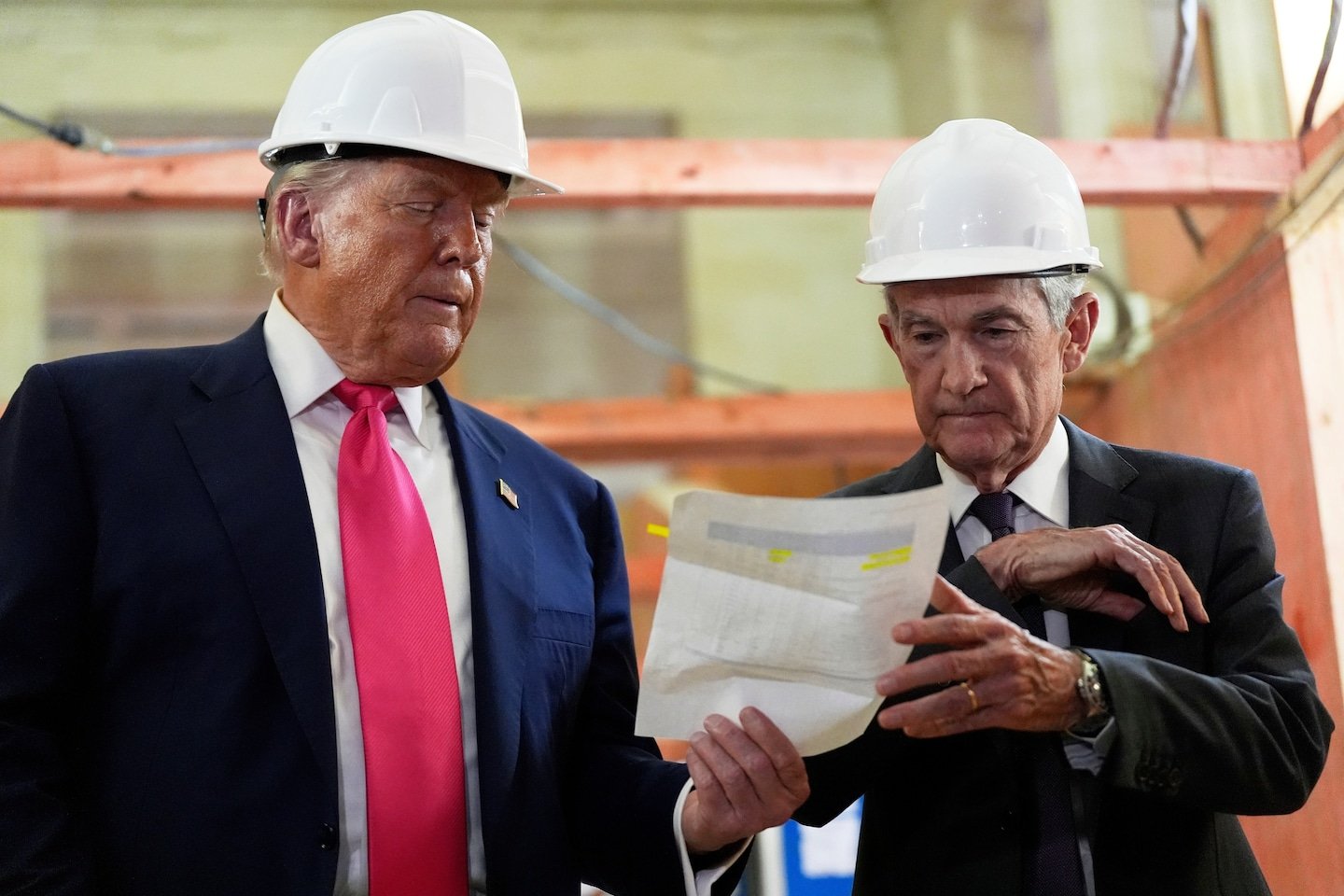
The Senate appears poised to advance the nomination of Kevin Warsh as the next head of the Federal Reserve, following a recent decision. Warsh has been nominated by President Donald Trump to succeed current Fed Chair Jerome Powell.
Supporters of Warsh argue that his previous experience on the Federal Reserve Board and his understanding of financial markets position him well to lead the central bank. They believe his leadership could bring about necessary changes in monetary policy that align more closely with the administration’s economic goals.
Conversely, critics express concerns regarding Warsh’s ties to Wall Street and question whether his approach may prioritize market performance over the broader economic wellbeing. They argue that his past statements indicate a more hawkish stance on interest rates, which could impact borrowing costs and economic growth.
As the Senate gears up for the confirmation process, discussions surrounding Warsh’s qualifications and potential impact on monetary policy are set to intensify. The vote could reflect broader sentiments within Congress regarding the future direction of the Federal Reserve.
Why this story matters
- The outcome of Warsh’s nomination could influence U.S. monetary policy and economic stability.
Key takeaway
- Kevin Warsh’s confirmation may signal a shift in the Federal Reserve’s approach under President Trump.
Opposing viewpoint
- Some critics fear that Warsh’s ties to financial markets may lead to policies that do not prioritize the average American’s economic interests.