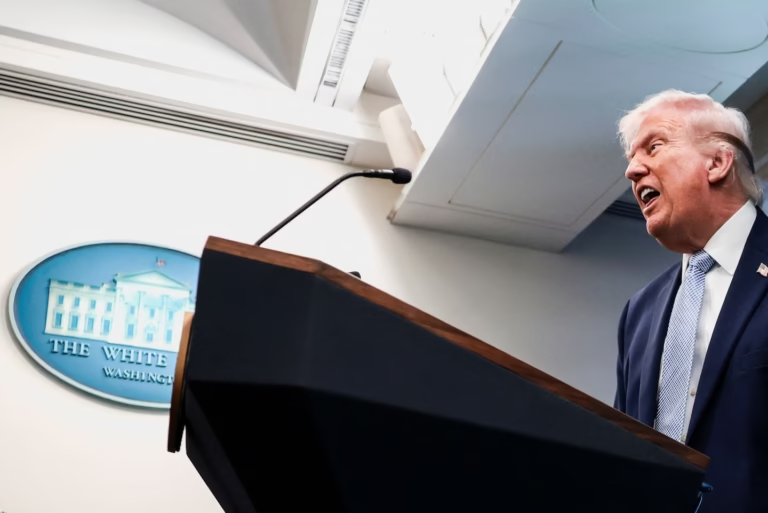


Donald Trump has announced plans to raise tariffs on South Korea to 25 percent, citing delays by Seoul in ratifying a trade deal established last year. In a post on Truth Social, Trump criticized the South Korean legislature for not fulfilling its commitments in the agreement, which originally included provisions for reduced tariffs as part of a trade relationship that saw South Korea pledging $350 billion in investments in the United States.
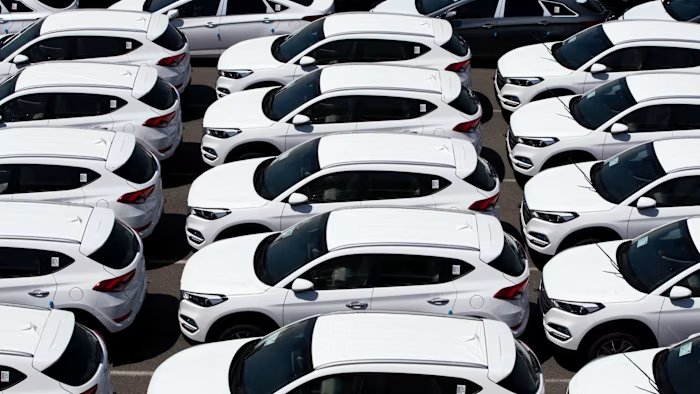
The impending tariff hike will affect a range of products, including cars, lumber, and pharmaceuticals. Last summer, Trump had reduced tariffs on South Korea to 15 percent as part of the same deal, which aimed to align South Korean tariffs on vehicles and parts with those imposed on Japan and the European Union. The agreement was solidified following Trump’s visit to South Korea last October.
This announcement has raised concerns among other nations with similar trade agreements, as Trump’s decision to modify a previously established deal marks a significant shift in his trade policy. In past remarks, Trump’s administration has expressed frustration with the slow pace of trade deal implementations by various countries, including the European Union.
The timing of this tariff announcement coincides with a turbulent week for trade relations, where Trump had issued warnings about potential tariffs on European countries but later chose to back down. While Trump can signal his intention to impose tariffs via social media, actual enforcement would require an executive order to grant the necessary legal authority.
Why this story matters:
- Raises concerns about the stability of international trade agreements.
Key takeaway:
- Trump is poised to increase tariffs on South Korea amid concerns over the pace of trade deal implementation.
Opposing viewpoint:
- Critics argue that sudden tariff increases could destabilize diplomatic relations and lead to retaliatory measures from trading partners.