

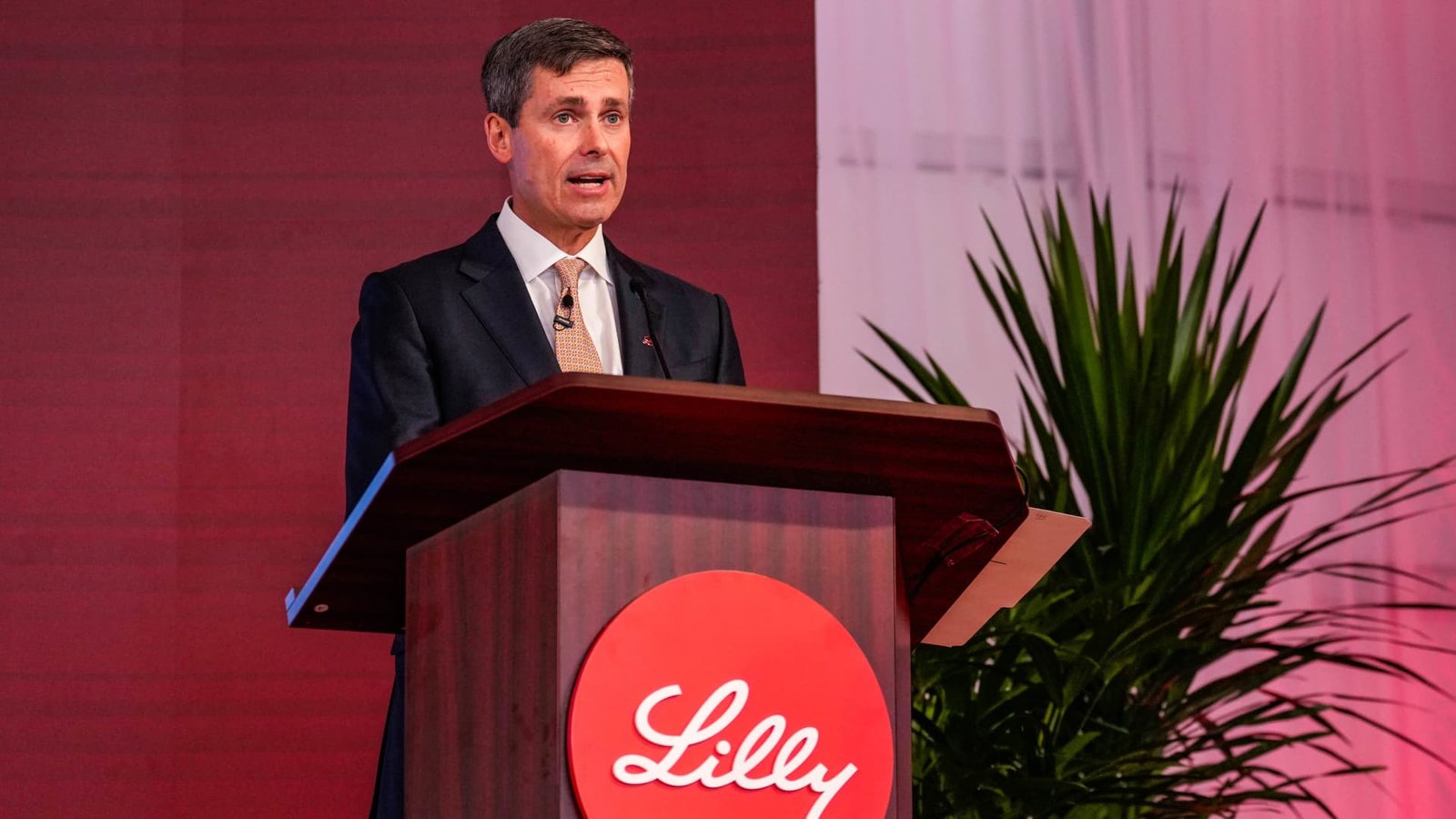
Eli Lilly has announced plans to invest $6 billion in a new manufacturing plant in Huntsville, Alabama, aimed at increasing production of its experimental obesity medication, orforglipron, among other drugs. This facility represents the third investment in a series of initiatives designed to bolster U.S. manufacturing capabilities, following a commitment made in February for a total of $27 billion to build four new domestic plants. Eli Lilly’s investments complement $23 billion already allocated since 2020.
Construction of the Huntsville plant is slated to commence in 2026, with completion anticipated by 2032. According to CEO David Ricks, this investment is part of a broader strategy to enhance the production of active pharmaceutical ingredients (APIs) domestically, thereby improving supply chain resilience and ensuring consistent access to medications for U.S. patients. As the company approaches regulatory filing for its obesity pill—an increasingly competitive sector alongside rivals like Novo Nordisk—this additional capacity is deemed essential.
Eli Lilly’s orforglipron gained a priority review voucher from the FDA in November, allowing for an expedited approval process that could significantly shorten the wait time for market introduction. The company has been proactive in addressing previous supply shortages in the GLP-1 market, which became pronounced due to soaring demand in recent years.
The Huntsville facility is projected to create approximately 450 permanent jobs in various roles, along with 3,000 construction jobs during its development phase.
Why this story matters:
- The investment underscores Eli Lilly’s commitment to U.S. manufacturing amid growing demand for obesity medications.
Key takeaway:
- The new facility will enhance production capabilities and create job opportunities in Alabama.
Opposing viewpoint:
- Critics question the sustainability of such rapid expansion given the potential future changes in drug pricing and healthcare policy.