



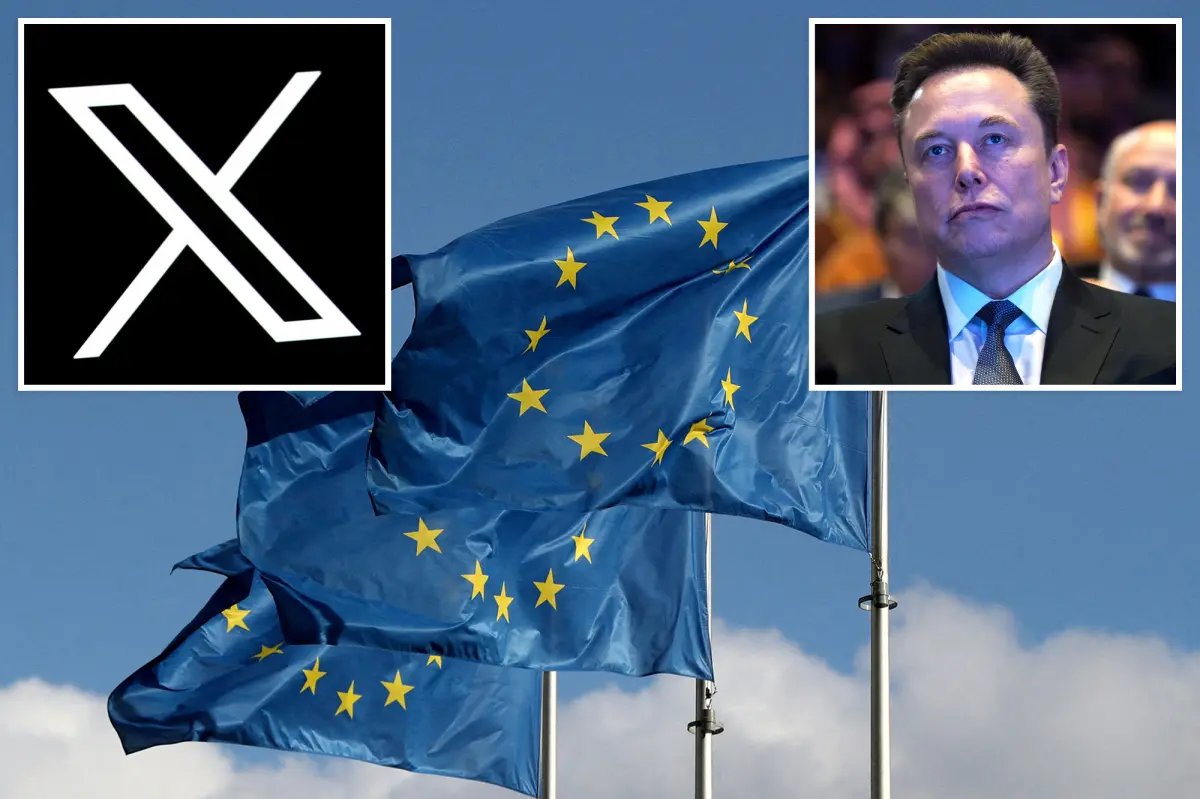
Elon Musk has expressed strong opposition to the European Union following a substantial fine levied against his social media platform, X, amounting to approximately $140 million. The penalty marks the first enforcement action under the EU’s new tech regulations, which accuse X of using a misleading blue verification checkmark, lacking transparency in its advertising practices, and restricting researchers’ access to public data.
In a post on X, Musk criticized the EU, calling for its dissolution and advocating for the return of sovereignty to individual nations, which he believes would lead to better government representation for citizens. He previously labeled the EU’s decision as “bulls–t.”
The European Commission maintained that the fine was a response to non-compliance with existing regulations, emphasizing that adherence to these laws would prevent such penalties. Officials highlighted that freedom of speech allows for criticism of regulatory actions within the EU.
In the U.S., the fine has triggered pushback from officials who claim it represents an overreach by the EU and an infringement on free speech. Secretary of State Marco Rubio characterized the fine as an attack on American tech companies, while U.S. Ambassador to the EU Andrew Puzder suggested it is emblematic of the EU’s regulatory aggression against innovation in the United States.
X is required to respond to the European Commission’s allegations within 60 days, and to submit a plan addressing the issues with its advertising repository and data access within 90 days. Failure to comply could result in ongoing fines.
Musk, who has recently restructured the verification process on X, has the option to appeal the ruling, which could initiate a lengthy legal dispute.
Why this story matters
- It highlights tensions between American tech companies and European regulations.
Key takeaway
- The fine against X represents a significant enforcement of European digital compliance laws.
Opposing viewpoint
- Critics of the fine argue that it unfairly targets American companies and impinges on free speech principles.