
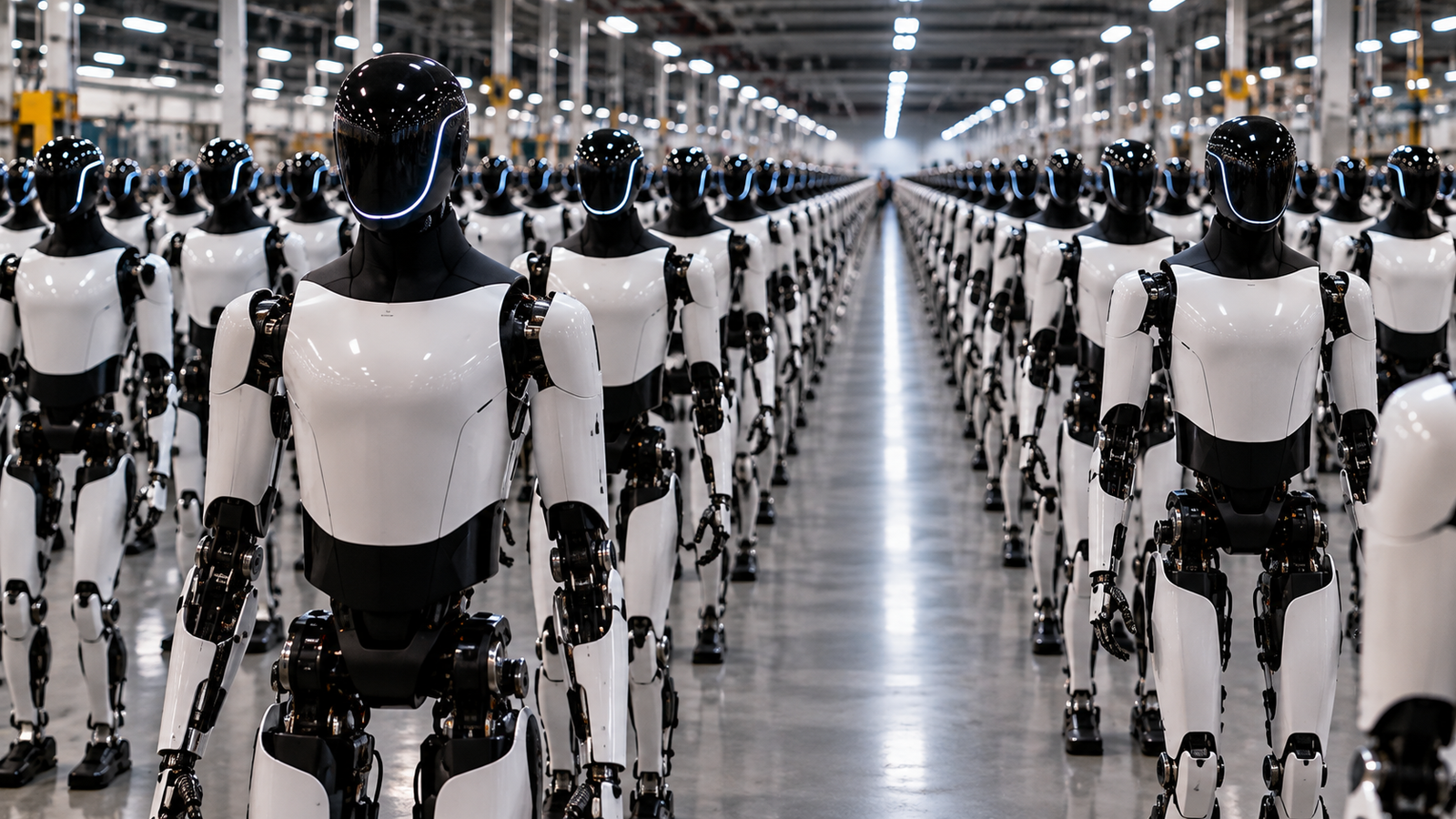
Elon Musk is setting ambitious goals for Tesla, aiming to produce 10 million Optimus robots annually. While this target might seem audacious, it could lead to widespread integration of humanoid robots across various sectors, including factories, warehouses, and even homes, where they may assist with daily tasks.
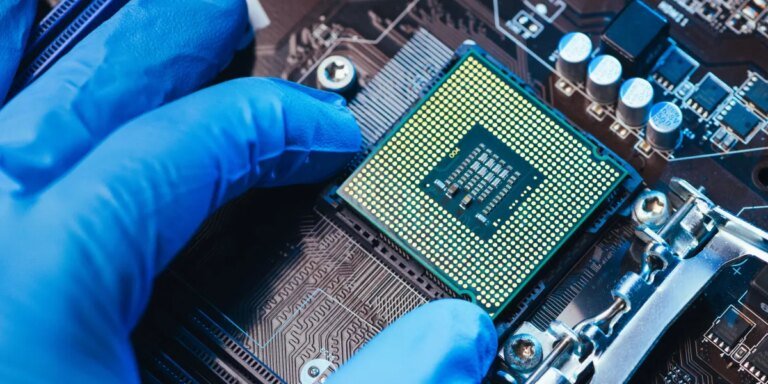
However, Musk is currently facing significant challenges in the production process. Recently, Tesla announced a reduction in memory for its upcoming AI chips, with the AI5 chip decreasing from 144GB to 72GB, and the AI6 from 216GB to 144GB. Musk believes this change will have minimal impact on the robot’s performance, emphasizing that memory access speed is more critical than sheer volume. This adjustment was deemed necessary to scale production and lower costs amid the high demand for chips.
In addition to memory constraints, other production hurdles exist. Producing millions of robots requires precise replication of human-like capabilities, particularly in their hands, which have complex movements due to numerous bones and joints. Tesla is reportedly struggling with manufacturing these components consistently.
Moreover, the issue extends beyond Tesla. Apptronik, another player in the humanoid robotics field, has indicated that a shortage of critical components, such as precision gears and actuators, is hampering production efforts. These actuators, which facilitate movement in robots, can account for a substantial portion of manufacturing costs.
As the industry develops, companies are exploring various strategies to secure necessary components. While Tesla and Apptronik work on in-house solutions to augment their production capacity, the sector still faces challenges in building a reliable supply chain similar to those used in traditional automotive manufacturing.
Why this story matters:
- The potential for widespread use of humanoid robots could revolutionize various industries and daily life.
Key takeaway:
- Achieving large-scale production of humanoid robots remains fraught with technical and logistical challenges.
Opposing viewpoint:
- Some experts suggest that simpler, task-specific robots may be more practical and economically viable than complex humanoid models.