


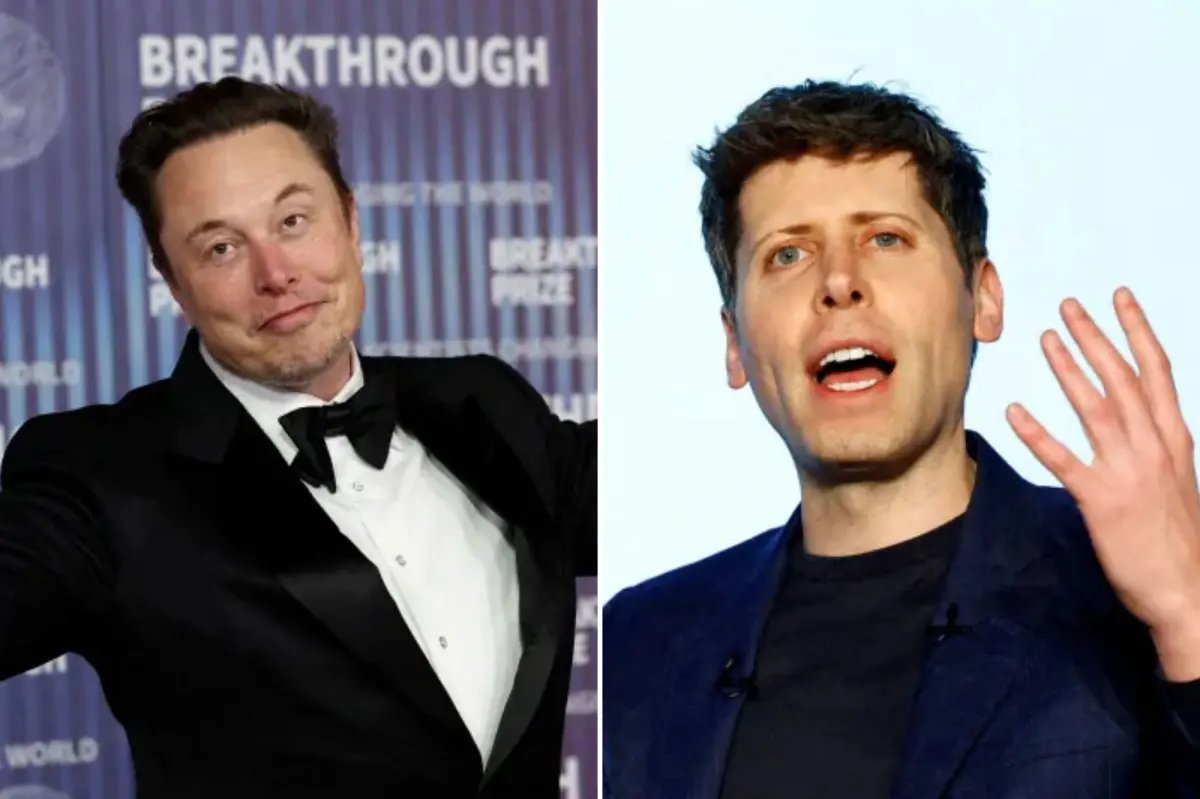
Billionaire entrepreneur Elon Musk has successfully convinced a judge to allow a jury trial regarding his claims that OpenAI, the organization he co-founded in 2015, has strayed from its original nonprofit mission due to its controversial transition to a for-profit model. Musk left OpenAI in 2018 and now heads xAI, a competing AI firm.
During a hearing in Oakland, California, U.S. District Judge Yvonne Gonzalez Rogers noted that there was “plenty of evidence” suggesting that OpenAI’s leaders had assured stakeholders that the nonprofit structure would be upheld. She determined that there were sufficient disputed facts to warrant a jury’s consideration of the case, with the trial scheduled for March.
Musk alleges that he contributed approximately $38 million, about 60% of OpenAI’s initial funding, in reliance on the organization’s commitment to remain a nonprofit dedicated to public benefit. His lawsuit accuses co-founders Sam Altman and Greg Brockman of conspiring to switch to a for-profit model for personal enrichment, leading to significant partnerships, including multibillion-dollar deals with Microsoft.
OpenAI has denied the allegations, asserting that Musk is a “frustrated commercial competitor” trying to hinder a leading player in the generative AI space. Microsoft, also named in the lawsuit, has requested that Musk’s claims against it be dismissed, stating that there is no evidence of any wrongdoing on their part. Additionally, OpenAI’s legal team argued that Musk has not provided sufficient evidence to support his claims and that his allegations were filed late.
Why this story matters:
- Highlights the legal and ethical tensions in the rapidly evolving AI sector.
Key takeaway:
- The case underscores differing motivations behind AI organizations and the impact of funding structures.
Opposing viewpoint:
- Musk’s critics view him as a rival motivated by commercial interests rather than genuine concern for public benefit.