



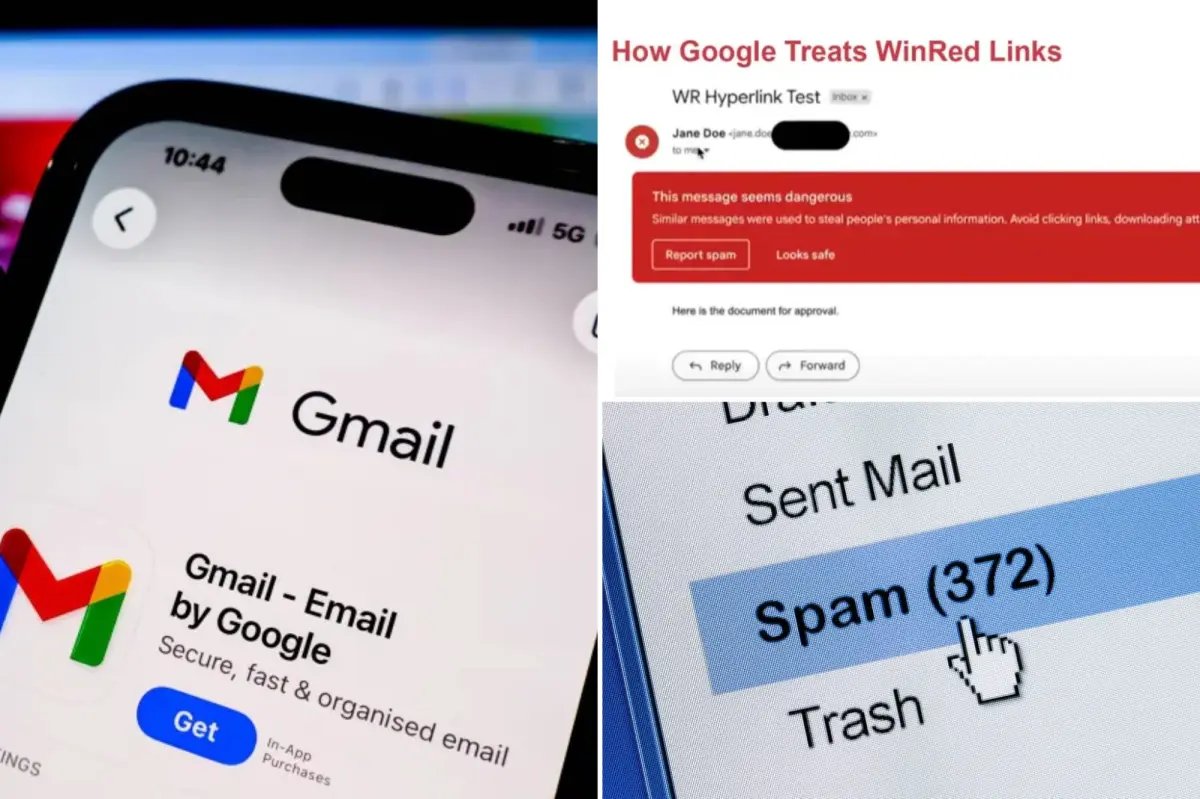
Republican fundraising efforts appear to have suffered significant losses due to how major email providers, such as Google’s Gmail, Microsoft Outlook, and Yahoo, labeled their fundraising emails as spam. A recent study conducted by researchers Cameron Ellis from the University of Iowa and Lars Powell from the University of Alabama estimates that the GOP lost approximately $117 million during two separate periods in 2025 when these emails were improperly flagged.
The first timeframe spans from June 30 to September 15, 2025, when the spam filters affected first-time donations on WinRed—an online platform for Republican fundraising—by up to 75%. A second period, from February to April of the same year, saw a striking 83% drop in first-time donations via Outlook, further contributing to this estimated loss. In total, this amounted to 142,126 anticipated new donations that never materialized, based on analyzed data from the Federal Election Commission.
The outcomes of the study reignite longstanding concerns within Republican circles about alleged discrimination in email filtering practices against GOP messages in favor of Democratic fundraising platforms like ActBlue. Researchers have noted that the lack of transparency from tech companies regarding their spam filtering processes complicates these accusations. While Google has refuted the study’s findings, asserting that its spam protections are applied equally to all political affiliations, those within the GOP argue that these algorithms have systematically undermined their fundraising efforts.
In response to criticisms, Google announced plans to implement a new verified sender program for political campaigns, which could allow them greater access to users’ inboxes if compliant with set policies.
Key Points:
- Why this story matters: Highlights potential biases in email filtering practices that could impact political fundraising.
- Key takeaway: The GOP estimates a loss of $117 million attributed to email spam filtering practices by major platforms.
- Opposing viewpoint: Google maintains that its spam detection protocols are impartial and claims the study is based on flawed methodology.