



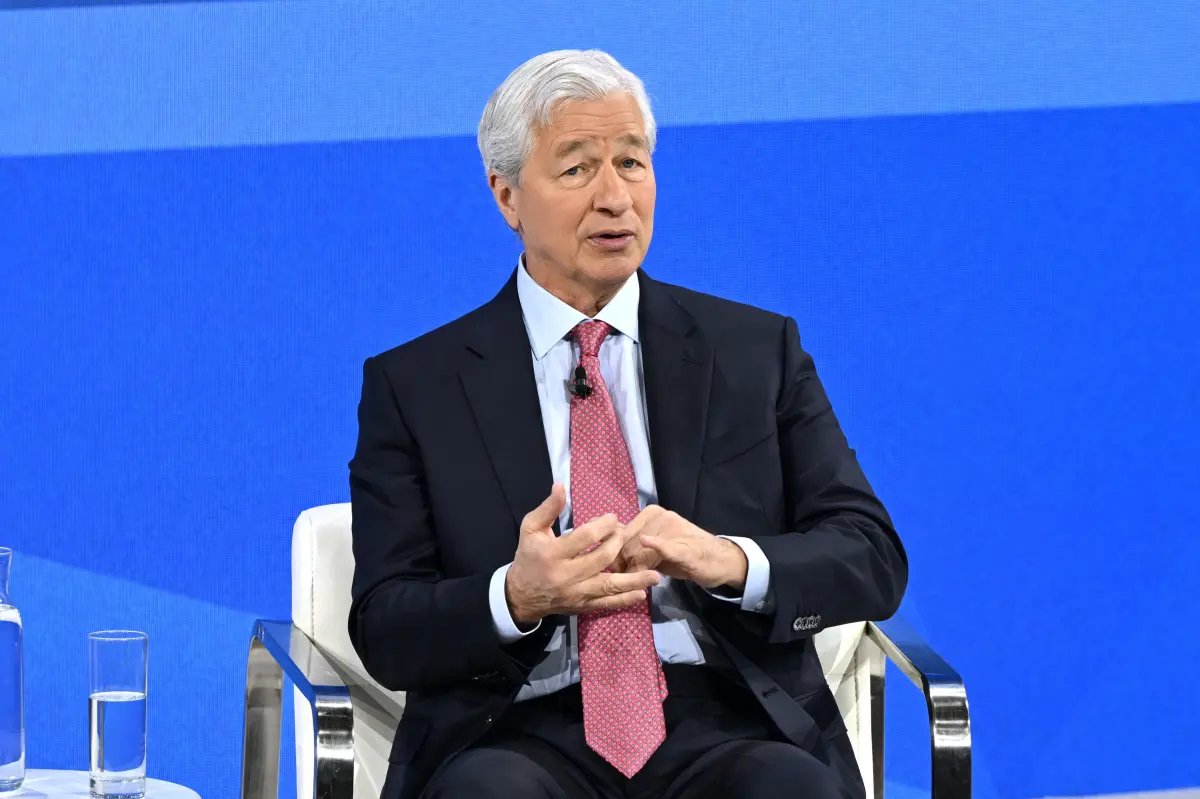
JPMorgan Chase recently announced the appointment of Troy Rohrbaugh and Doug Petno as co-presidents, stirring speculation about the future leadership of the bank. This significant move, occurring amid Jamie Dimon’s tenure, suggests a competitive landscape as the firm prepares for eventual succession.
With Jamie Dimon, who has led JPMorgan for over a decade, expected to transition from CEO to executive chairman in about three years, the board’s decision to appoint Rohrbaugh and Petno has raised eyebrows, particularly because it excluded Marianne Lake, a leading female executive within the bank. Lake had managed a large sector of JPMorgan and was considered a strong contender for the CEO position, making her removal from consideration notable.
Critics point out that the selection of two male executives over a highly regarded female leader raises questions about the bank’s commitment to diversity, equity, and inclusion—principles that Dimon has previously championed. Despite Lake’s solid track record and popularity, she was superseded, emphasizing a potential shift in focus towards meritocracy.
Both Rohrbaugh and Petno are well-respected within the firm, with no recent reputational issues linked to their management. However, their upcoming challenge will lie in fulfilling the high expectations set by Dimon, who is seen as a significant figure in American finance. While this reshuffle appears to solidify their positions, the future leadership dynamics at JPMorgan remain uncertain. Notably, figures like Mary Erdoes and Jennifer Piepszak, who are also female executives, continue to hold key roles and may still influence the conversation around future leadership.
Why this story matters
Key takeaway
Opposing viewpoint