

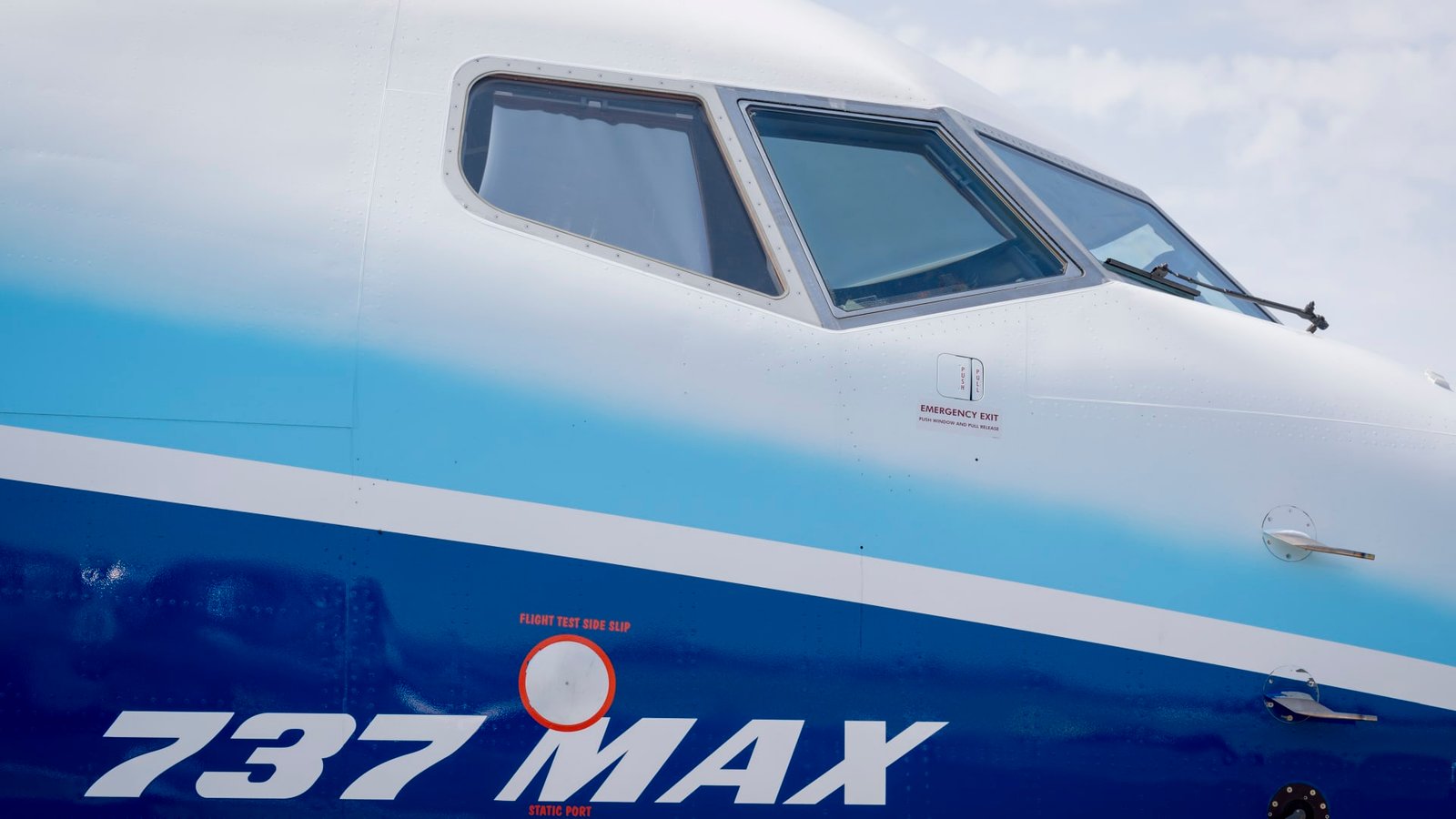
The Federal Aviation Administration (FAA) announced on Friday that a new software glitch affecting certain Boeing 737 Max models does not pose a flight safety risk. This assessment allows Boeing to pursue certification for the 737 Max 10, the final model in its popular series, amid ongoing efforts to ramp up aircraft sales and deliveries following previous safety and manufacturing challenges.
Boeing identified the software issue last month, which could impact specific landing procedures. In response, the FAA conducted a thorough review led by a panel of safety experts. On Friday, they concluded that pilots retain full control of the aircraft and that warnings presented to flight crews are clear. The FAA will issue a special bulletin to airlines on recognizing and managing this issue when it arises.
The glitch may occur after a missed approach when pilots adjust a preprogrammed flight path, necessitating additional steps to engage automated tools for subsequent approaches. U.S. airlines have noted that they can revert to earlier software versions if necessary, alleviating concerns regarding operational safety. However, this situation prompted scrutiny over the certification timeline for the 737 Max 10, anticipated in early fall.
The larger Max 10 is the last model awaiting government certification in the Max lineup, following the FAA’s approval of the smaller Max 7 in August. Despite the potential delays, executives from major customers like Alaska Airlines and Ryanair have expressed confidence in the aircraft and downplayed worries about certification setbacks.
Why this story matters
- The FAA’s determination aids Boeing in securing further approvals for the 737 Max family amid past tumult.
Key takeaway
- The software glitch is not seen as a safety issue, allowing Boeing to move forward with the 737 Max 10’s certification process.
Opposing viewpoint
- Some industry experts remain cautious, questioning the long-term implications of the software issue on operational safety and certification standards.