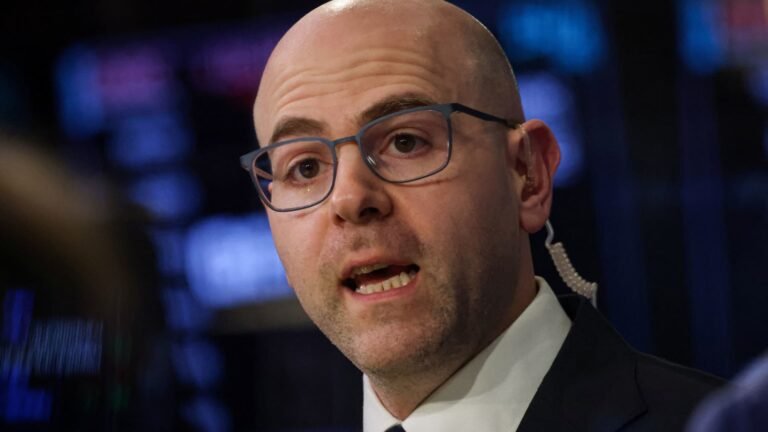


A senior official from the U.S. Food and Drug Administration (FDA) announced his resignation amid growing concerns regarding the agency’s regulatory decisions in the biotech and pharmaceutical sectors. Vinay Prasad, who directed the Center for Biologics Evaluation and Research, will leave the FDA at the end of April. This departure marks his second exit from the role; he briefly stepped down in July due to criticism surrounding his regulatory actions but returned just two weeks later.
FDA Commissioner Marty Makary acknowledged Prasad’s contributions during his tenure, stating that he accomplished a significant amount for the agency. However, Prasad’s resignation comes in response to mounting criticism from the healthcare industry and former health officials, particularly regarding the FDA’s management of drug approval applications. In the past year, the agency has reportedly denied or discouraged the approval of at least eight drugs, raising concerns over data usage and evidence standards.
Critics argue that the FDA’s evolving guidance has created a climate of regulatory uncertainty, potentially hindering the development of vital treatments for challenging diseases. A former FDA official described these inconsistencies as detrimental, as companies often receive conflicting information that complicates their approval processes. The agency refuted claims of regulatory uncertainty, asserting its commitment to evidence-based decision-making without making guarantees about outcomes.
Recently, the FDA faced backlash for discouraging UniQure from pursuing expedited approval for an experimental treatment for Huntington’s disease. This incident, among others, has intensified scrutiny of the FDA’s approval processes, with concerns that the current approach may obstruct the introduction of new therapies and compromise patient safety.
• Why this story matters
The FDA’s regulatory processes could impact the development of critical treatments in the pharmaceutical industry.
• Key takeaway
Vinay Prasad’s resignation highlights ongoing concerns about the FDA’s approval standards and regulatory uncertainty, which may challenge innovation in healthcare.
• Opposing viewpoint
The FDA maintains that its reviews are thorough and independent, ensuring patient safety and efficacy, and asserts that no regulatory uncertainty exists.