


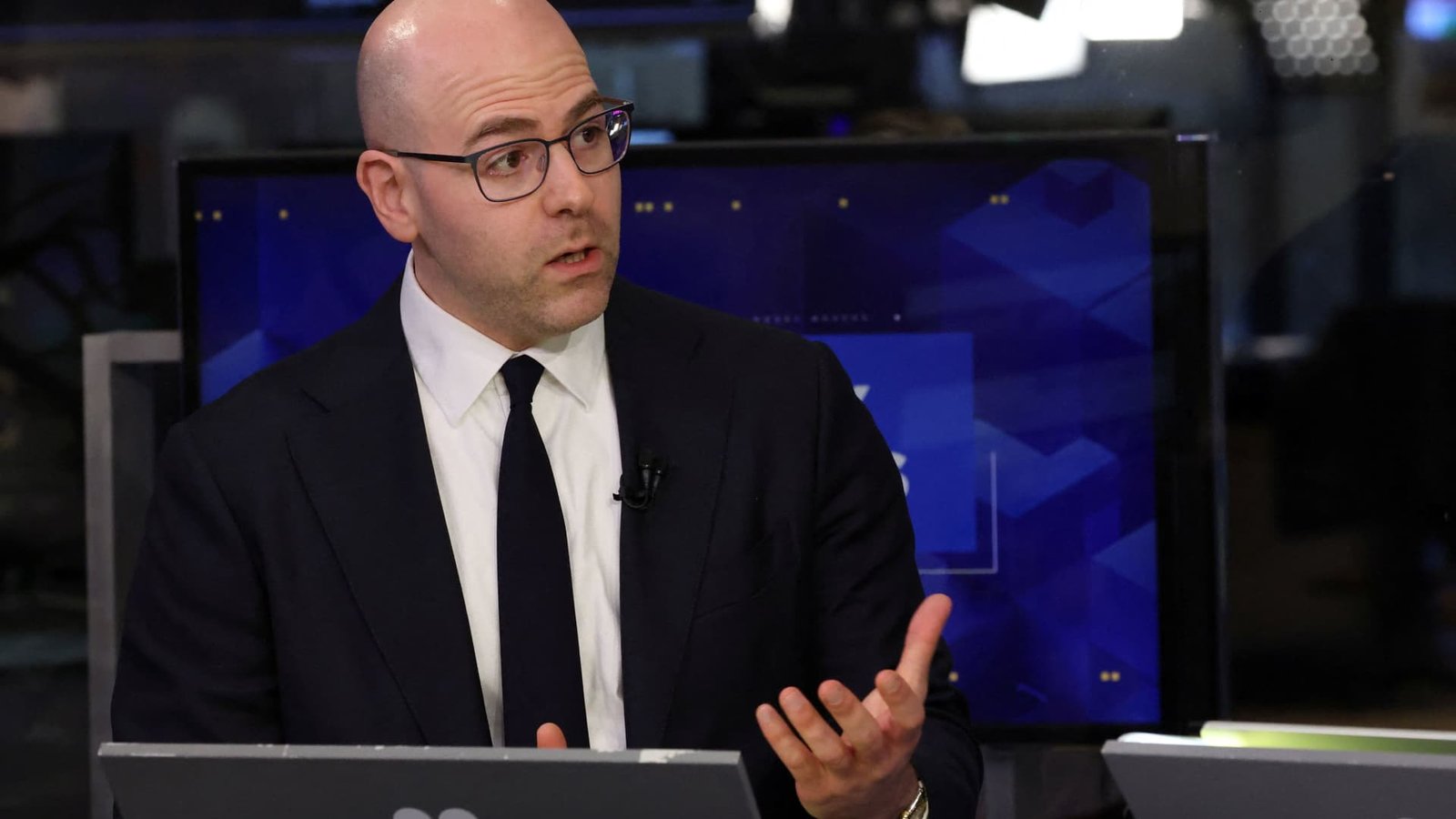
Federal Reserve Governor Stephen Miran commented on the recent jobs report, suggesting that the disappointing February figures strengthen the argument for further interest rate cuts by the central bank. In a CNBC interview, Miran highlighted the decline of 92,000 in nonfarm payrolls reported by the Bureau of Labor Statistics, asserting that the Federal Reserve should prioritize the labor market over inflation concerns.
Miran stated, “I think that we don’t have an inflation problem,” advocating for a more accommodative monetary policy to support the labor market. He believes the current interest rate target of 3.5% to 3.75% should be adjusted closer to a neutral range, ideally about one percentage point lower. The consensus among Federal Reserve officials suggests that a neutral rate—one that neither stimulates nor restricts economic activity—is around 3.1%, indicating room for potential rate cuts.
Additionally, Miran expressed skepticism over the persistent inflation numbers, attributing them more to measurement methods used by government agencies rather than genuine inflationary pressures. He pointed out that changes in portfolio management fees, which rise in line with stock market performance, can misrepresent inflation data. Furthermore, he downplayed the impact of rising oil prices, framing them as a temporary shock that does not necessitate a change in monetary policy.
Since his appointment, Miran has consistently dissented during Federal Open Market Committee meetings, advocating for more aggressive rate reductions than the quarter-point cuts implemented. Despite his dissenting views, he expressed hope for collaborative decision-making in upcoming meetings.
Why this story matters: The Fed’s interest rate decisions significantly affect the economy, impacting everything from loans to job growth.
Key takeaway: Miran argues for lower interest rates to stimulate the labor market, suggesting current inflation concerns may be overestimated.
Opposing viewpoint: Some Fed officials maintain that inflation remains a critical concern, arguing against further rate cuts.