



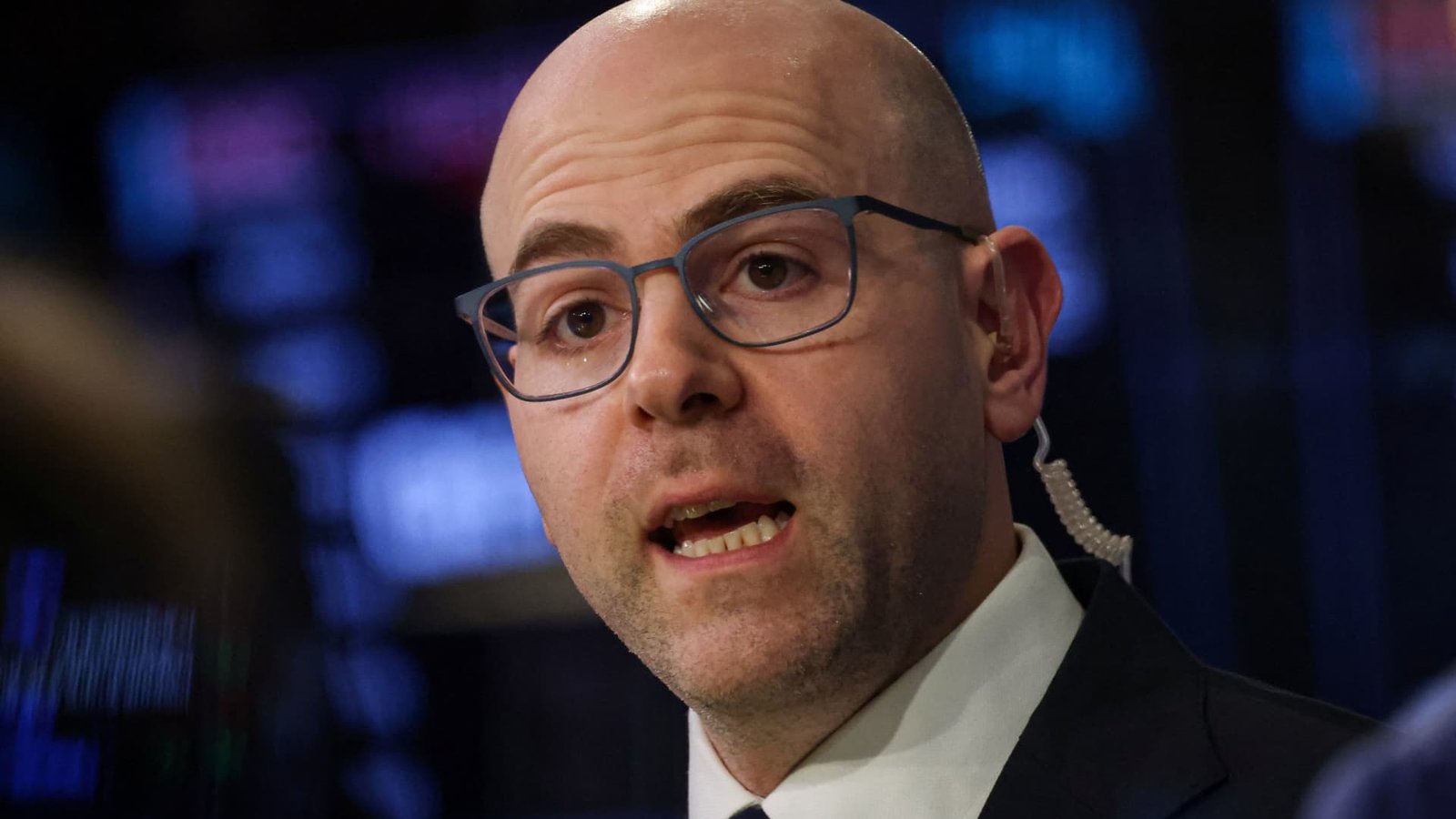
Federal Reserve Governor Stephen Miran advocated for lowering interest rates during an interview with CNBC on Monday. He emphasized that policymakers should not react to the current spike in energy prices unless there are indications that it will have enduring consequences. Miran stated, “If I saw a wage-price spiral, or I saw evidence that inflation expectations are starting to pick up, then I would get worried about it,” underscoring the absence of such evidence at present. He asserted that altering monetary policy would not influence inflation in the short term, particularly with oil prices exceeding $100 a barrel and gasoline prices increasing by over $1 per gallon.
Miran pointed to market-based indicators suggesting that inflation expectations remain stable, despite recent price fluctuations. He reiterated that monetary policy typically takes time to influence the economy and is not designed to respond to short-term market volatility. Miran has consistently opposed decisions made at Federal Reserve meetings since September 2025, expressing that he believes the interest rate could be adjusted downwards by about one percentage point over the next year.
Currently, the federal funds rate is set between 3.5% and 3.75%, with market expectations indicating no forthcoming changes before year-end. Although Miran’s term has expired, he continues to serve until the Senate Banking Committee confirms former Governor Kevin Warsh, who is slated to replace Jerome Powell as chair in May.
Key Points:
- Why this story matters: It highlights ongoing debates about monetary policy and inflation management amid rising energy prices.
- Key takeaway: Miran argues for lower interest rates, citing stable inflation expectations despite recent market changes.
- Opposing viewpoint: Critics may contend that the Fed should act more proactively to address potential inflation risks linked to energy price surges.