


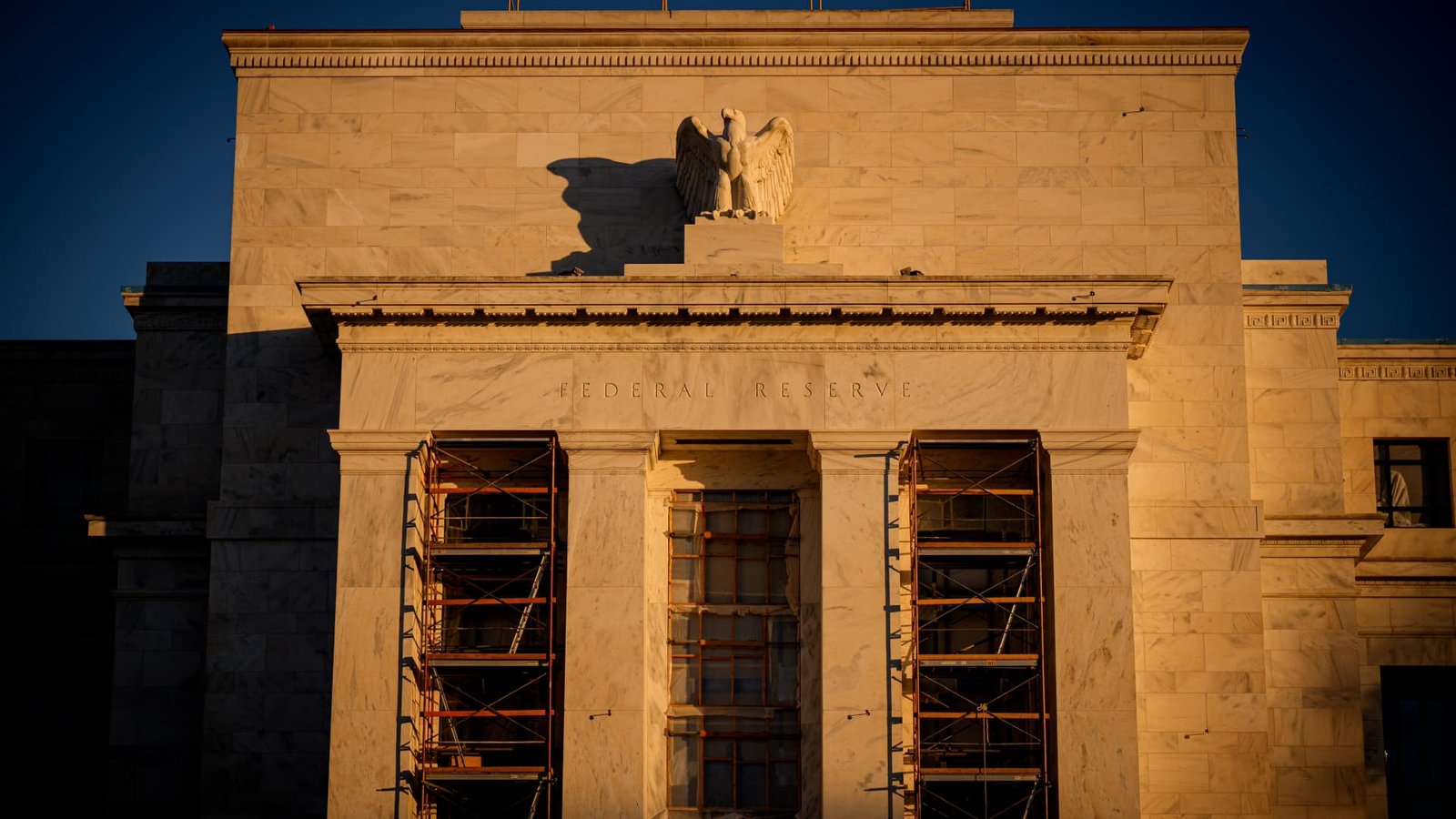
Renovation efforts are ongoing at the Marriner S. Eccles Federal Reserve Board Building, the headquarters for the Board of Governors of the Federal Reserve System in Washington, DC. On December 9, 2025, the Federal Reserve announced the reappointment of 11 out of 12 regional bank presidents, a decision made earlier than typically expected. This unanimous decision by the seven governors also includes first vice presidents from regional branches across the nation. Notably, the Atlanta Fed will see a change in leadership as president Raphael Bostic is set to retire in February.
While the regional reserve banks operate with a degree of autonomy and select their own presidents, these appointments require approval from the board in Washington. The presidents serve five-year terms beginning on March 1, 2026, and can be dismissed by the board at any time. In the past, the Federal Reserve has usually announced such reappointments closer to the end of terms, which traditionally conclude in years that end in one or six.
There was speculation concerning potential actions from President Donald Trump, known for his criticism of the Federal Reserve, regarding the rate-setting process and possible removals of regional presidents. Despite this, the unanimous vote for the reappointments included Stephen Miran, a Trump appointee whose term is expiring soon. Additionally, Treasury Secretary Scott Bessent has expressed concerns over New York’s preeminent influence in the Federal Reserve, suggesting a proposal that would require regional presidents to have resided in their districts for three years prior to their appointment.
Why this story matters:
- Reflects stability within the Federal Reserve leadership amidst potential political pressures.
Key takeaway:
- Unanimous support for the reappointments indicates confidence in the current regional leadership.
Opposing viewpoint:
- Concerns arise regarding geographic representation and the concentration of influence within the Federal Reserve, particularly from New York.