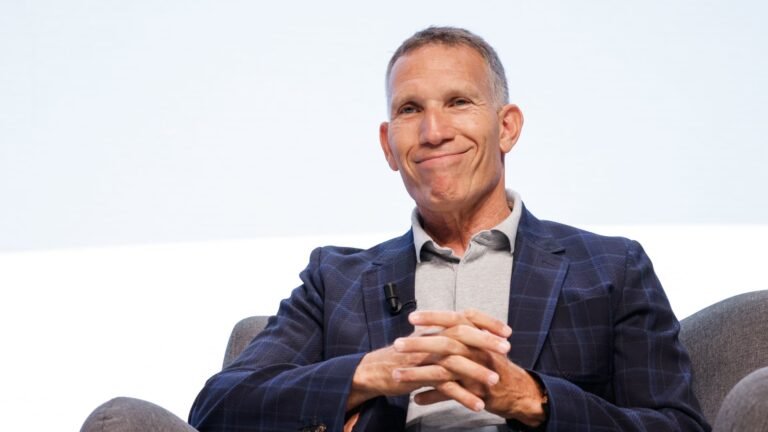




Jim Farley, the CEO of Ford, has sparked a discussion about the value of college education in today’s job market. In a recent interview, he shared that his son opted to work as a fabricator in North Carolina for the summer instead of attending classes, expressing a belief that hands-on jobs are more fulfilling than formal education. Farley emphasized that this decision reflects a growing skepticism about the necessity of a four-year degree, a sentiment echoed by many parents concerned about their children’s career prospects.
Farley has previously mentioned his son’s doubts about pursuing higher education, noting the significant shift in public opinion. A recent NBC News poll indicated that 63% of Americans believe a four-year degree is no longer worth the financial investment, an increase from 47% in 2017. Additionally, data shows a decline in four-year university enrollments, with many from Generation Z choosing skilled trades, which accounted for nearly 25% of new hires in these sectors.
At Ford, the focus on the "essential economy" reflects the industry’s growing need for skilled workers. During the unveiling of the 2027 Ford Super Duty Carhartt Special Edition, Farley highlighted the practical utility of the truck, designed to meet the real-world needs of tradespeople. This partnership with Carhartt underlines a commitment to recognizing and promoting the value of blue-collar jobs.
Despite these positive narratives around skilled trades, statistics from the College Board reveal that college graduates still earn approximately 60% more than those without a degree. This juxtaposition points to a complex debate over educational value and labor market demands, suggesting that the discussion about workforce readiness and economic opportunity will continue to evolve.
Why this story matters:
- Highlights the changing perceptions of education and job fulfillment in America.
Key takeaway:
- The rising skepticism about four-year degrees reflects a significant cultural shift towards valuing skilled trades.
Opposing viewpoint:
- Data shows that college graduates earn significantly more over a lifetime than those without degrees, challenging the idea that trades are a superior path.