


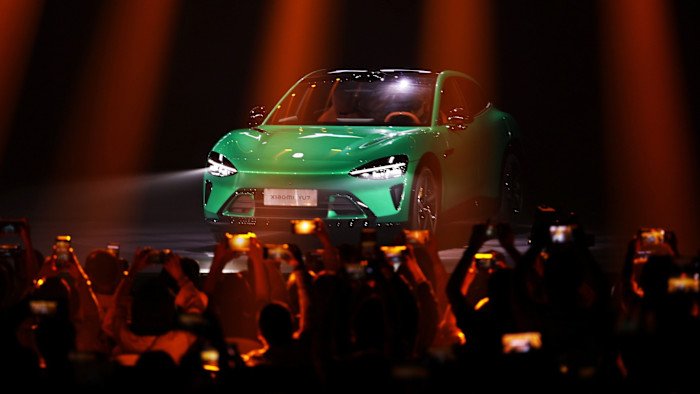
Ford has engaged in preliminary discussions with Chinese tech company Xiaomi regarding a potential partnership aimed at manufacturing electric vehicles (EVs) in the United States. Multiple sources, who wish to remain anonymous, report that the talks may involve forming a joint venture. Additionally, Ford has sought collaborations with other Chinese manufacturers, such as BYD.
Such a partnership could provoke significant political backlash in Washington. John Moolenaar, the Republican chair of the House China committee, criticized Ford’s potential move, arguing it could undermine American and allied manufacturers and increase reliance on China. In response to the ongoing speculation, both Ford and Xiaomi have publicly denied the existence of any joint venture negotiations.
Ford’s CEO, Jim Farley, has expressed admiration for Chinese EVs, acknowledging that competition from Chinese manufacturers poses a substantial threat to Western carmakers. Despite previous trade restrictions, President Donald Trump has indicated a willingness to welcome Chinese investments in the U.S. market during a recent visit to a Ford facility.
The Biden administration had previously instituted heavy tariffs on Chinese vehicle imports, effectively banning them from entering the U.S. market. Trump has maintained these tariffs. Furthermore, there are security concerns surrounding Ford’s existing licensing deal with Chinese battery manufacturer CATL, which has been linked to alleged military ties—a claim CATL denies.
Experts warn that allowing joint ventures with Chinese companies could adversely affect national security and push American manufacturers into unfavorable partnerships. Meanwhile, Chinese carmakers, including BYD and Geely, continue to explore opportunities for market entry in the U.S., posing competitive challenges to established American firms.
- Why this story matters: Potential partnerships between U.S. and Chinese auto manufacturers could reshape the EV market landscape and impact national security.
- Key takeaway: Ford’s discussions with Xiaomi highlight the challenges and controversies of foreign partnerships in the evolving automotive industry.
- Opposing viewpoint: Critics argue that joint ventures with Chinese companies often lead to detrimental outcomes for American firms and increase dependence on China.