



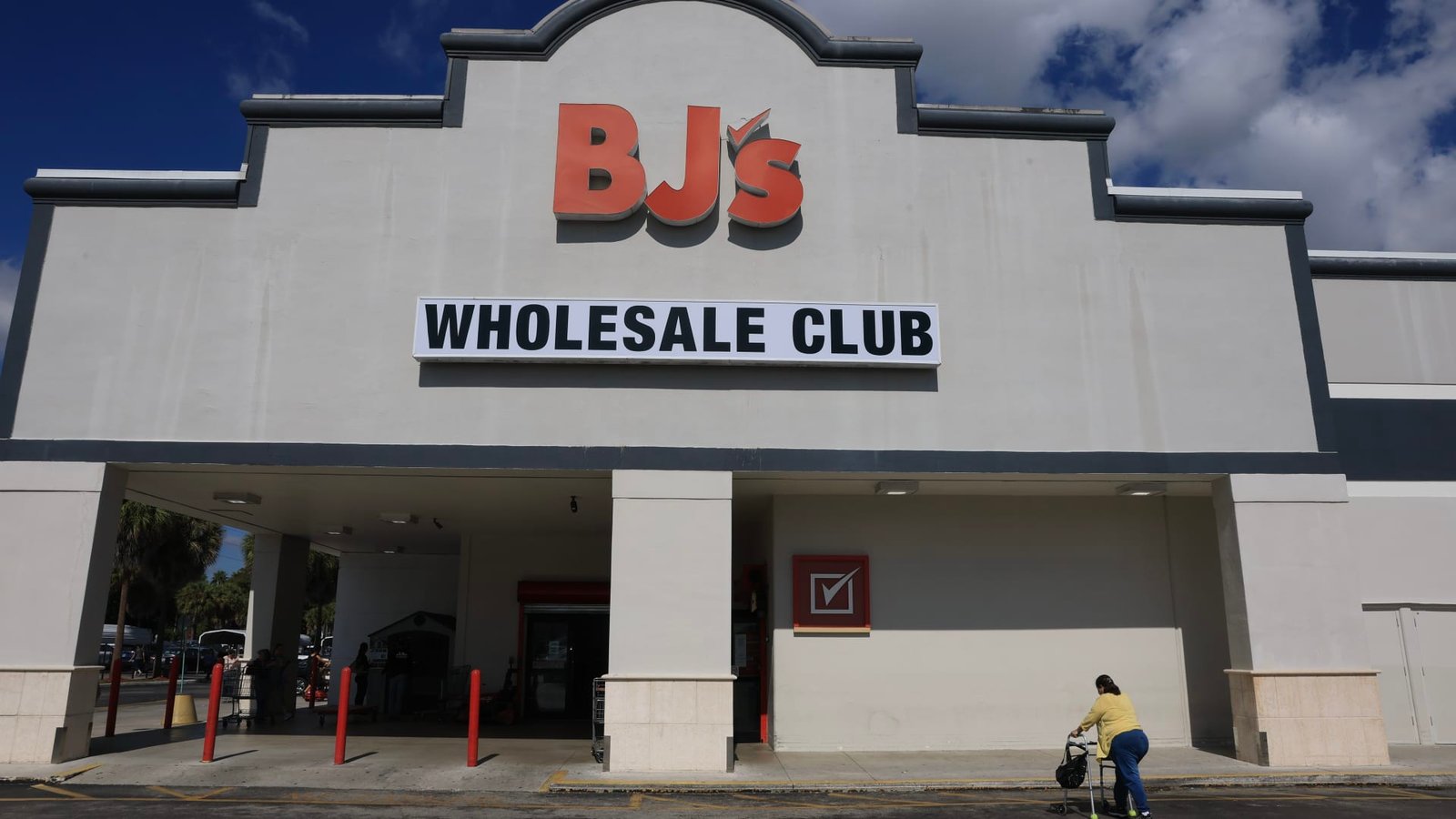
Retailers are actively reducing their product assortments to improve financial performance amid shifting consumer spending habits influenced by high gas and food prices. This strategy, often referred to as trimming stock keeping units (SKUs), aims to enhance profitability and meet investor expectations. Notable retailers such as Dollar General, Under Armour, BJ’s Wholesale Club, and Lululemon have each implemented significant SKU reductions. For instance, Dollar General removed 1,500 SKUs, while Under Armour plans to further cut its offerings by 25% after already shrinking its inventory by the same percentage.
Reducing inventory not only helps stabilize sales but also minimizes the risk of overstocking. However, this strategic move may result in fewer choices for consumers. According to retail analyst Simeon Siegel, while some markdowns can be beneficial, excessive promotions can damage profitability. For Under Armour and Lululemon, extensive discounting has had negative repercussions, prompting a shift in focus towards fewer, higher-quality products that resonate more purposefully with consumers.
Other retailers, particularly small-box and big-box stores, view SKU reduction as a means to manage inventory more effectively rather than solely as a pathway to increasing prices. BJ’s, for example, aims to concentrate on core products while introducing new categories to maximize sales. Meanwhile, Dollar General has observed that a reduction in SKU count has allowed faster product turnover and improved shelf space management.
Although the approach of decreasing product assortments has potential benefits, it poses challenges as retailers risk alienating customers by limiting available options. The balance between offering a curated selection and maintaining sufficient choice remains a critical concern for many brands in the competitive retail landscape.
Why this story matters: Retailers’ strategies to streamline product offerings reflect broader economic challenges and consumer behavior changes.
Key takeaway: Reducing SKUs can enhance profitability but may limit consumer choice and present risks of losing market share.
Opposing viewpoint: Some experts argue that minimizing choice could alienate customers and decrease revenue in the long term, particularly if competitors offer a wider selection.