


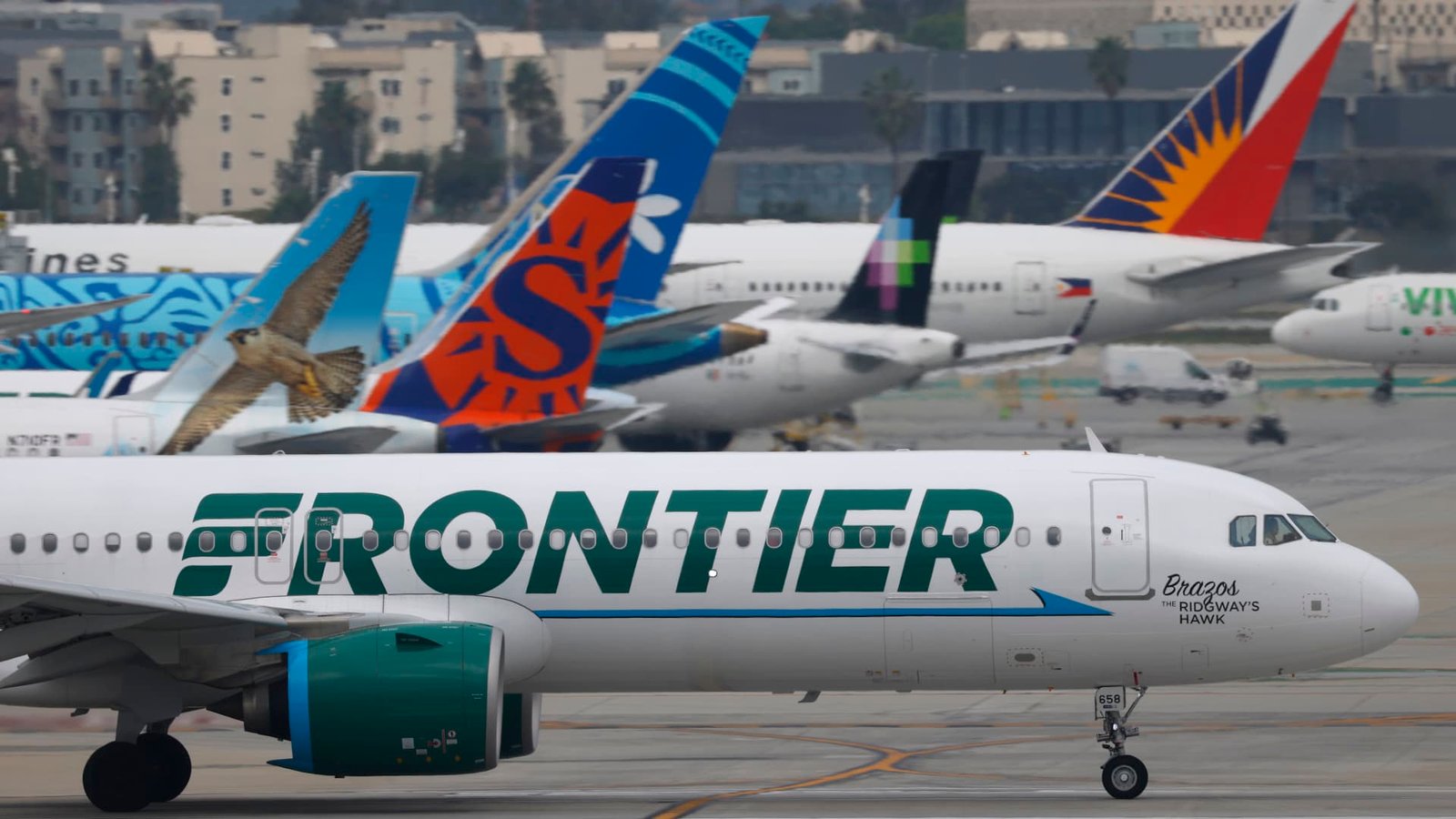
Frontier Airlines has announced a significant increase in airfare during the third quarter of the year, reflecting a 71% rise as the airline adjusts to soaring jet fuel prices. Average fare revenue per passenger climbed to $67.82, compared to $39.74 in the same period last year. When accounting for additional fees, such as those for checked and carry-on luggage, total revenue per passenger rose by 30% to $138.22.
Despite the increased pricing, customer demand remained robust, with Frontier reporting an 18% rise in passenger numbers, totaling over 9.8 million for the quarter—a gain of 1.5 million passengers compared to the previous year. However, the airline still faced challenges, widening its third-quarter loss to $104 million from a loss of $77 million during the same quarter last year. The company’s fuel expenses surged by 82%, reaching $425 million.
Looking ahead, Frontier projects a potential adjusted profit for the fourth quarter, estimating an adjusted loss of 15 cents per share or adjusted earnings of up to 5 cents per share. While airlines, including Delta Air Lines and Frontier, indicate that customer bookings persist in the face of higher fares, rising jet fuel costs—being the second-largest expense, after labor—continue to pressure overall profitability.
Frontier’s shares saw an increase of over 9% in afternoon trading on Wednesday. Following Spirit Airlines’ demise in May, Frontier took the lead as the largest budget carrier in the United States.
Key Points:
- Why this story matters: It highlights the impact of rising operational costs on airline pricing and profitability.
- Key takeaway: Despite higher airfare and fees, demand for Frontier’s services remains strong, underscoring resilience in the travel market.
- Opposing viewpoint: Higher prices may deter future price-sensitive customers, potentially affecting long-term growth.