


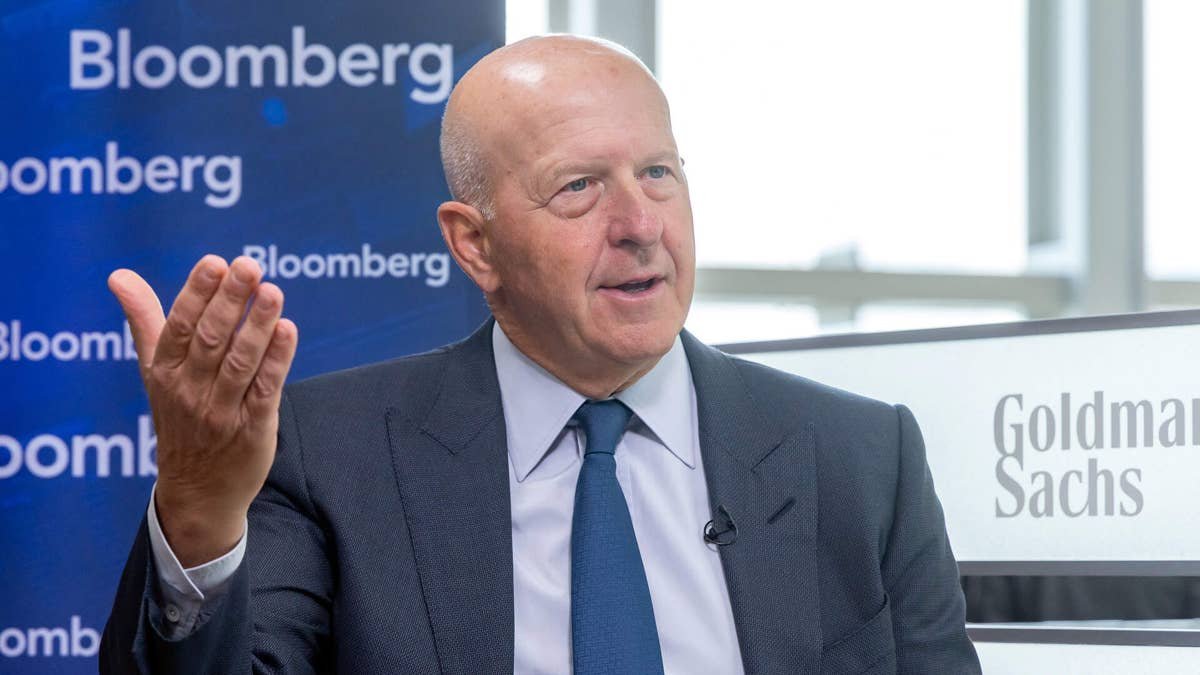
A significant shift is taking place within major corporations in the United States, as an increasing number are outsourcing the management of their pension funds and 401(k) plans to Wall Street firms, signaling a lack of confidence in internal management capabilities. Recent announcements from Goldman Sachs highlight this trend, with the firm confirming it has been awarded mandates to manage approximately $70 billion in retirement assets for two prominent companies, Verizon Communications Inc. and Lockheed Martin Corporation.
This development underscores a transformative moment in asset management. Goldman Sachs has roughly $480 billion in assets under its outsourced chief investment officer (OCIO) division, reflecting a growing preference among corporations for specialized external management. Factors driving this shift include the complexity of managing diversified investments, particularly with the rising prominence of alternative assets, which now comprise a substantial portion of institutional portfolios.
Corporate teams often lack the resources to effectively monitor and manage these intricate assets, while employee demand for sophisticated retirement options continues to grow. The traditional model of pension consulting, which relies on lengthy decision-making processes, is increasingly seen as inefficient. In contrast, the OCIO model offers corporate sponsors rapid execution and a streamlined partnership.
Both Verizon and Lockheed Martin have already begun efforts to minimize their retirement management burdens, indicating a strategic move toward outsourcing as a means to enhance operational efficiency and safeguard financial stability.
Why this story matters:
- Reflects a broader trend of corporations shifting towards external asset management, impacting how retirement funds are managed.
Key takeaway:
- The move to outsource retirement plan management highlights the growing complexity of corporate pension portfolios and the demand for faster, more efficient management solutions.
Opposing viewpoint:
- Critics may argue that outsourcing can lead to a reduction in corporate accountability and oversight regarding employee retirement funds.