


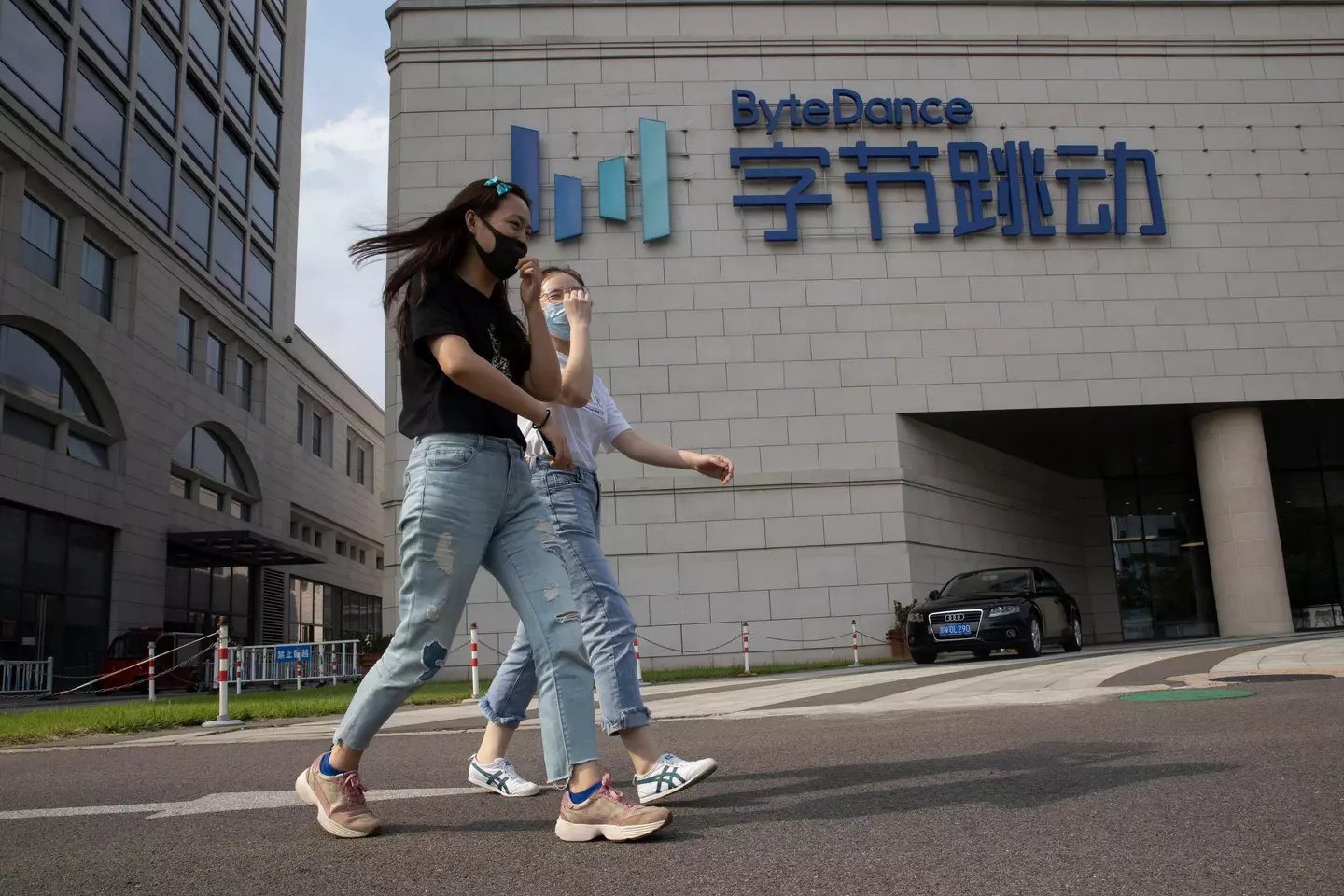
ByteDance, the Beijing-based company behind TikTok, has introduced a new artificial intelligence video generator known as Seedance 2.0. This technology has sparked significant backlash from Hollywood organizations, which argue that the platform infringes upon copyright laws and utilizes the likenesses of actors and other individuals without obtaining proper permission.
The concerns raised by industry groups center around the potential for Seedance 2.0 to exploit the intellectual property of creators, leading to calls for stricter regulations on AI technologies that can mimic real-life personas. Stakeholders in Hollywood fear that this could undermine the creative industry by allowing unauthorized use of performers’ images and performances, potentially impacting their livelihoods.
As the debate intensifies, advocates for stronger copyright protections are urging lawmakers to consider implications on creative rights and the ethical use of AI in entertainment. They emphasize the need for clear guidelines to ensure that innovations like Seedance 2.0 do not infringe upon the rights of individuals whose likenesses are used.
In response, ByteDance has maintained that its technology is designed to foster creativity and provide users with new tools for expression. However, the disagreements surrounding Seedance 2.0 underline the broader conflict between technological advancement and intellectual property rights within the entertainment sector.
– Why this story matters: The introduction of AI technologies like Seedance 2.0 raises important questions about copyright and creators’ rights in the entertainment industry.
– Key takeaway: The backlash against Seedance 2.0 highlights the need for clear regulations regarding AI’s use of likenesses and intellectual property.
– Opposing viewpoint: ByteDance argues that AI tools encourage creativity and innovative expression among users, challenging the concerns raised by Hollywood organizations.