


Job applicants often face a disparity between the information provided during the hiring process and what is ultimately delivered by employers. While companies emphasize the importance of honesty in applicants’ resumes, they frequently alter crucial details regarding salary, job responsibilities, location, and benefits partway through the hiring process.
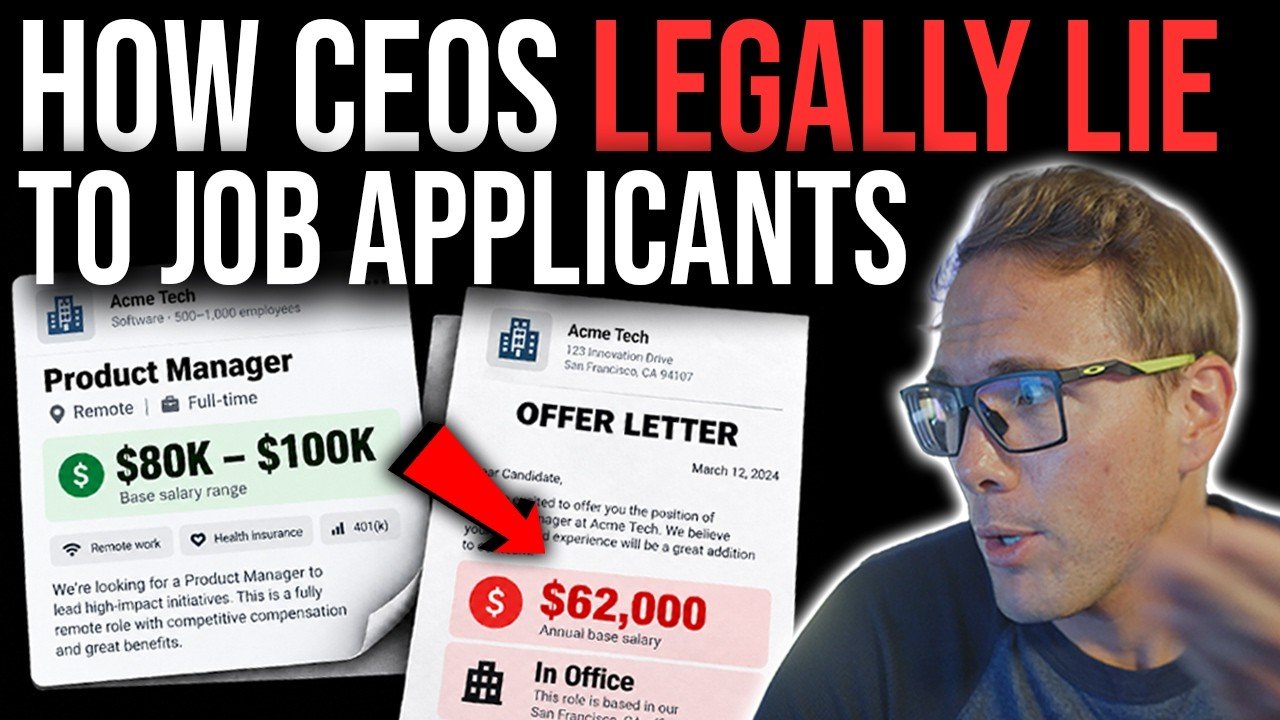
For instance, an advertised salary range of $80,000–$100,000 may be reduced to an offer of $62,000 due to a supposed budget change, after prolonged interviews. Remote job opportunities can shift to a hybrid model or even a full-time office requirement. Positions initially described as senior may be downgraded to junior status while retaining the senior-level responsibilities. Promises of temporary roles converting to permanent ones can dissolve, leaving employees in limbo indefinitely. Additionally, benefits like unlimited paid time off often come with stipulations not clearly communicated upfront.
This phenomenon raises concerns about the transparency of hiring practices. Job seekers invest significant time and effort based on the information provided by employers, and discrepancies can lead to lost opportunities and major life adjustments.
The crux of the issue lies in the expectation for mutual honesty. As employers require applicants to accurately portray their qualifications, applicants should likewise receive reliable information concerning salaries, job descriptions, schedules, and other aspects of employment. This balance is essential, as applicants often make substantial decisions based on the representations made by companies.
Why this story matters
- Highlights the imbalance in transparency during the hiring process.
Key takeaway
- Employers and applicants should both adhere to a standard of honesty and clarity.
Opposing viewpoint
- Some may argue that businesses need flexibility in job roles and offers to adjust to changing circumstances.