



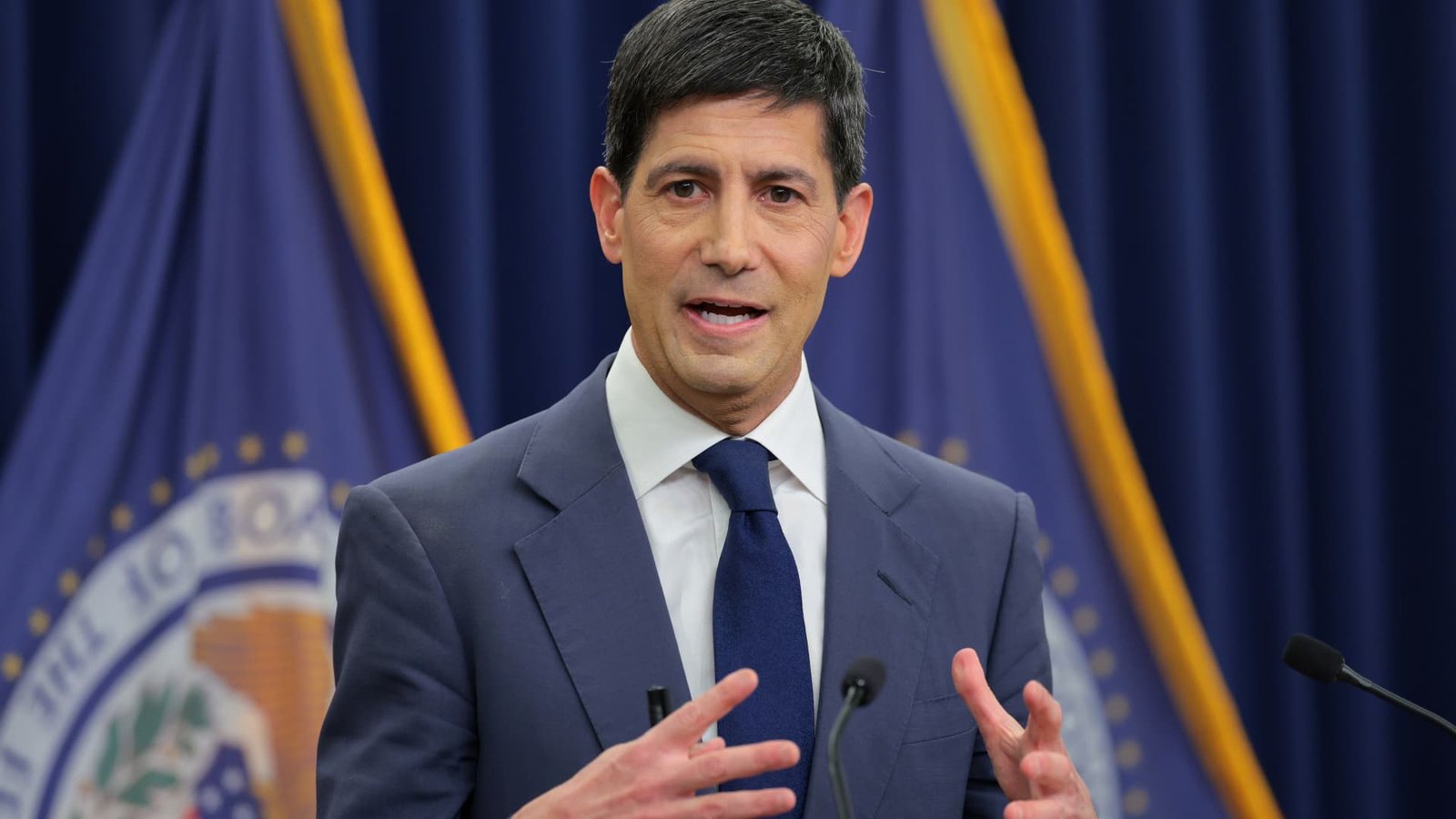
Federal Reserve Chairman Kevin Warsh recently announced substantial changes aimed at reshaping the central bank’s approach to monetary policy. During his first news conference since taking office on June 17, 2026, he unveiled plans for five task forces that will comprehensively evaluate key areas of the Fed’s operations, signaling a commitment to reform.
These task forces will review aspects including the Fed’s communication strategies, data utilization for economic assessment, inflation perspectives, the impact of technology—such as artificial intelligence—and the management of the Fed’s $6.7 trillion balance sheet. Warsh stated that the groups will start from fundamental principles and seek to build consensus around proposed policy modifications. His emphasis on collaboration marks a contrasting tone from previous criticisms he leveled against the Fed while campaigning for the chairmanship.
Scott Clemons, chief investment strategist at Brown Brothers Harriman, remarked on the transformative potential of these initiatives, describing them as “regime change, but in a velvet glove.” Former Fed Vice Chair Roger Ferguson praised Warsh’s method of fostering change through task forces, suggesting a strategic and constructive approach to reform.
Task forces will delve into various facets of the Fed’s practices, including adjustments to communication methods and potential revisions of the "dot plot" rate forecasts. Additionally, there will be scrutiny of how the Fed assesses inflation amid its ongoing challenges. Warsh’s renewed focus on clarity in policy communication aims to reinforce public confidence in the Fed’s decision-making processes.
Experts anticipate that these changes represent a new era in U.S. monetary policy, with a heightened focus on responsiveness and adaptability to evolving economic circumstances.
Why this story matters:
- The changes at the Fed could significantly influence U.S. monetary policy and economic stability.
Key takeaway:
- Warsh’s leadership indicates a shift towards a more collaborative and comprehensive approach to monetary policy reform.
Opposing viewpoint:
- Some critics caution that rapid changes may disrupt established protocols at the Fed, potentially leading to uncertainty in financial markets.