

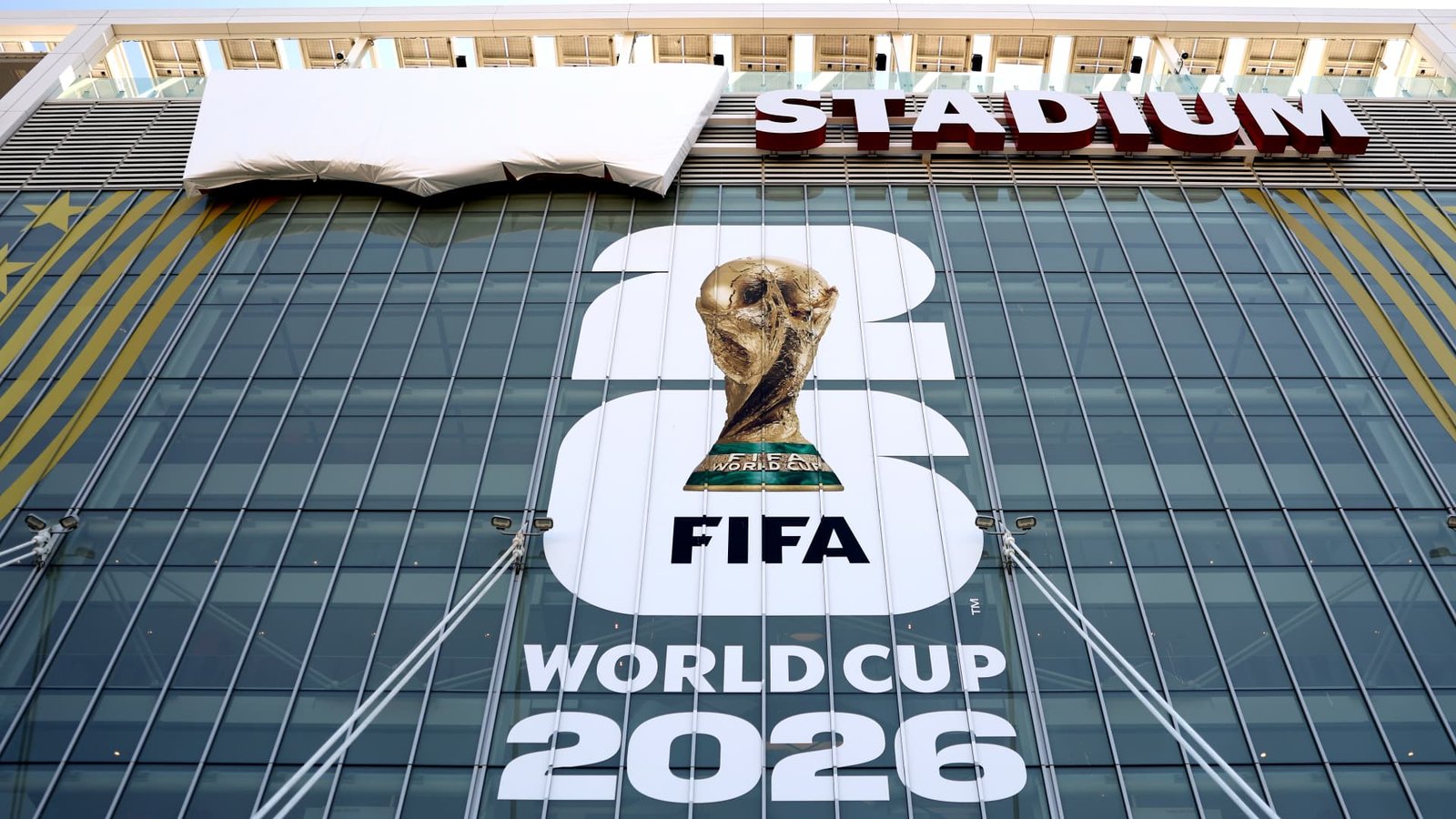
As the FIFA World Cup continues this summer across the U.S., Canada, and Mexico, a notable trend has emerged: many non-official brands have captured significant attention, often overshadowing official sponsors. While traditional sponsors like Adidas, Coca-Cola, and Qatar Airways maintain their presence, brands such as Taco Bell, Levi Strauss & Co., and Buc-ee’s are making waves through innovative marketing strategies and organic engagement on social media platforms.
Industry insights suggest that advertising expenditures for this World Cup could reach $10.5 billion, slightly down from the $12.6 billion spent in 2018. Market research indicates a 42% increase in World Cup-related advertising in the weeks leading up to the tournament, with Taco Bell and Duracell notably ramping up their spending. Despite the volume of sponsored ads, Meltwater reports that non-sponsor brands outperformed in terms of engagement, generating nearly double the interactions compared to official sponsors.
Noteworthy examples include Levi’s, whose marketing strategy involving a covered logo on stadiums led to increased public interest and engagement, as well as Nike, with a popular ad that featured prominent celebrities. In contrast, Adidas’s campaign received significantly lower views despite being a major sponsor. Experts highlight that the freedom of non-sponsored brands to creatively engage with current events can resonate more effectively with audiences.
Additionally, a growing consumer frustration with FIFA’s commercial practices, including controversial ad breaks during matches, has created an environment where cheeky marketing can thrive. This shift in advertising strategy might influence how brands approach sponsorships in future events.
Why this story matters:
- The evolving landscape of sports marketing showcases the impact of social media and creative strategies over traditional sponsorships.
Key takeaway:
- Non-official brands can drive significant engagement by aligning their campaigns with cultural moments, often outperforming traditional sponsors.
Opposing viewpoint:
- Official sponsors argue that their substantial investments ensure broad visibility and association with major global events, providing stable return on investment despite potential challenges from non-sponsors.