

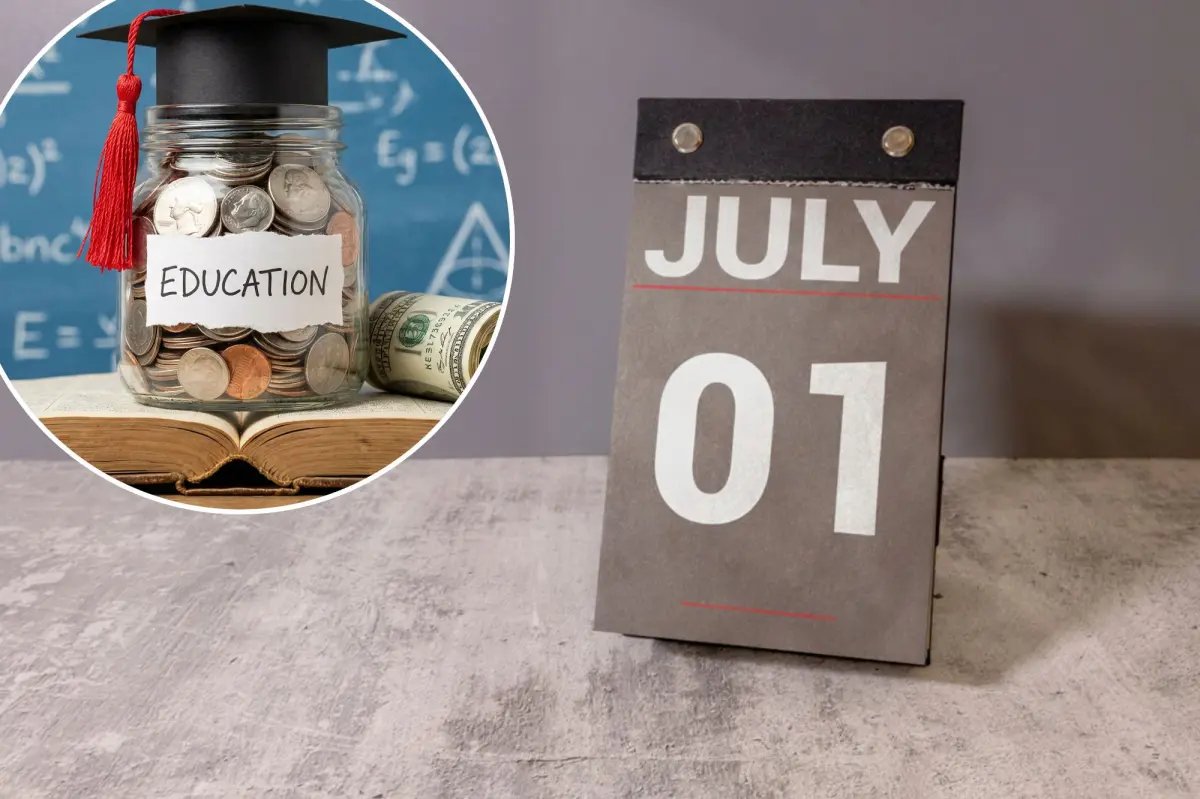
Starting July 1, 2026, new federal student loan regulations implemented by the One Big Beautiful Bill Act (OBBBA) will significantly alter repayment and borrowing structures for federal student loans. This overhaul impacts current borrowers and families considering loans for the fall 2026 semester.
Key changes include the introduction of two new repayment plans: the Repayment Assistance Plan (RAP) and the Tiered Standard Repayment Plan (TSRP). The RAP is an income-driven plan that sets payments according to the borrower’s adjusted gross income and family size, while the TSRP involves fixed payments extending over a period determined by the borrower’s total loan balance.
Existing borrowers will experience simplifications, but some popular plans will remain available until 2028. For those in the now-defunct SAVE plan, a 90-day window will be provided to select a new repayment option. Meanwhile, new borrowing limits are being established, particularly affecting graduate students and families utilizing Parent PLUS loans. Federal borrowing for graduate students will be capped at $20,500 per year and $100,000 over a lifetime, marking the first instance where these loans face limitations. The cap on Parent PLUS loans will be set at $20,000 annually and $65,000 total per dependent.
This restructuring raises concerns about potential funding shortages for families, particularly in high-cost educational programs. Consequently, more borrowers may need to turn to private loans, which typically lack the federal protections associated with federal loans.
As these changes approach, borrowers are urged to review their current loan status and familiarize themselves with their options to ensure informed financial decisions.
Key Points:
- Why this story matters: Significant changes to federal student loan repayment and borrowing could affect millions of borrowers beginning July 2026.
- Key takeaway: New repayment plans and borrowing limits will reshape the landscape of student debt, emphasizing the need for careful financial planning.
- Opposing viewpoint: Critics argue that the reduced borrowing options may shift more students towards private loans, potentially increasing financial burdens without essential protections.