


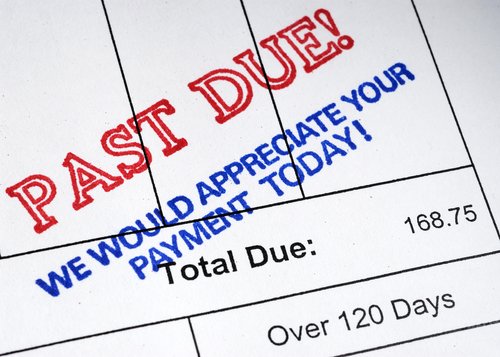
Late payments pose significant challenges for small business owners, impacting not only cash flow but also overall growth and stability. Current payment terms typically allow 30 days for public authorities and up to 60 days for business transactions unless otherwise agreed upon. Without an established payment date, the law mandates a 30-day payment period from the invoice date or delivery date.
To address ongoing issues, the Commercial Payments Bill is progressing through parliament, aiming to enforce a maximum payment term of 60 days and enhance the Small Business Commissioner’s authority to ensure compliance. This legislation is expected to streamline the payment process and reduce disputes.
Entrepreneurs often find themselves spending considerable time following up on overdue payments, which detracts from their ability to focus on business development. In extreme cases, late payments can force small businesses to resort to loans or personal financing to maintain operations. Many SMEs eventually write off bad debts, further jeopardizing their financial health.
To mitigate the risks of late payments, small business owners are encouraged to implement contingency plans. Strategies include proactive communication with clients, establishing clear payment terms, and leveraging relationship-building to foster mutual respect. The ability to charge interest on overdue payments can also be beneficial, although exact conditions depend on the initial agreement.
Small business owners are advised to conduct thorough research on prospective partners, clearly outline payment expectations, and maintain open lines of communication to tackle late payment issues effectively. Although the late payment culture presents serious obstacles, a strong approach can ultimately help sustain business viability.
Key Points:
- Why this story matters: Late payments threaten the stability and growth of small businesses, potentially leading to financial distress.
- Key takeaway: Strong communication and clear payment agreements are essential for managing cash flow and encouraging timely payments.
- Opposing viewpoint: Some argue that enforcing strict payment terms could discourage larger businesses from engaging with smaller suppliers.