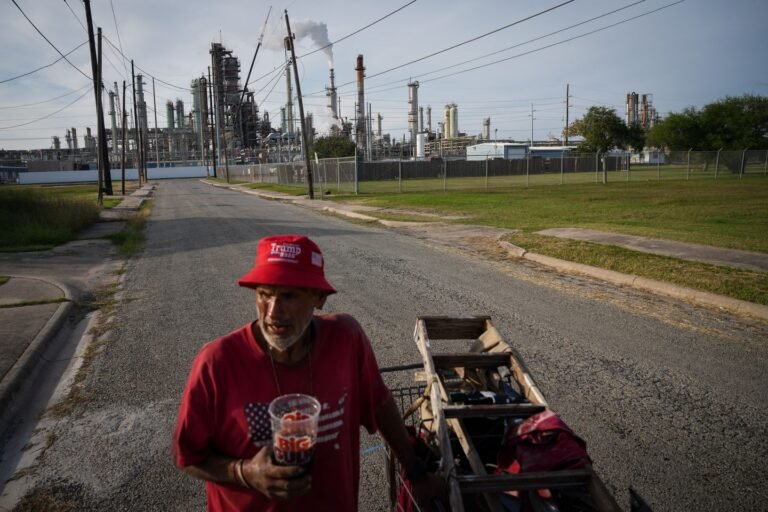
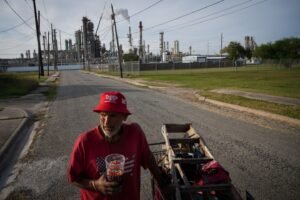


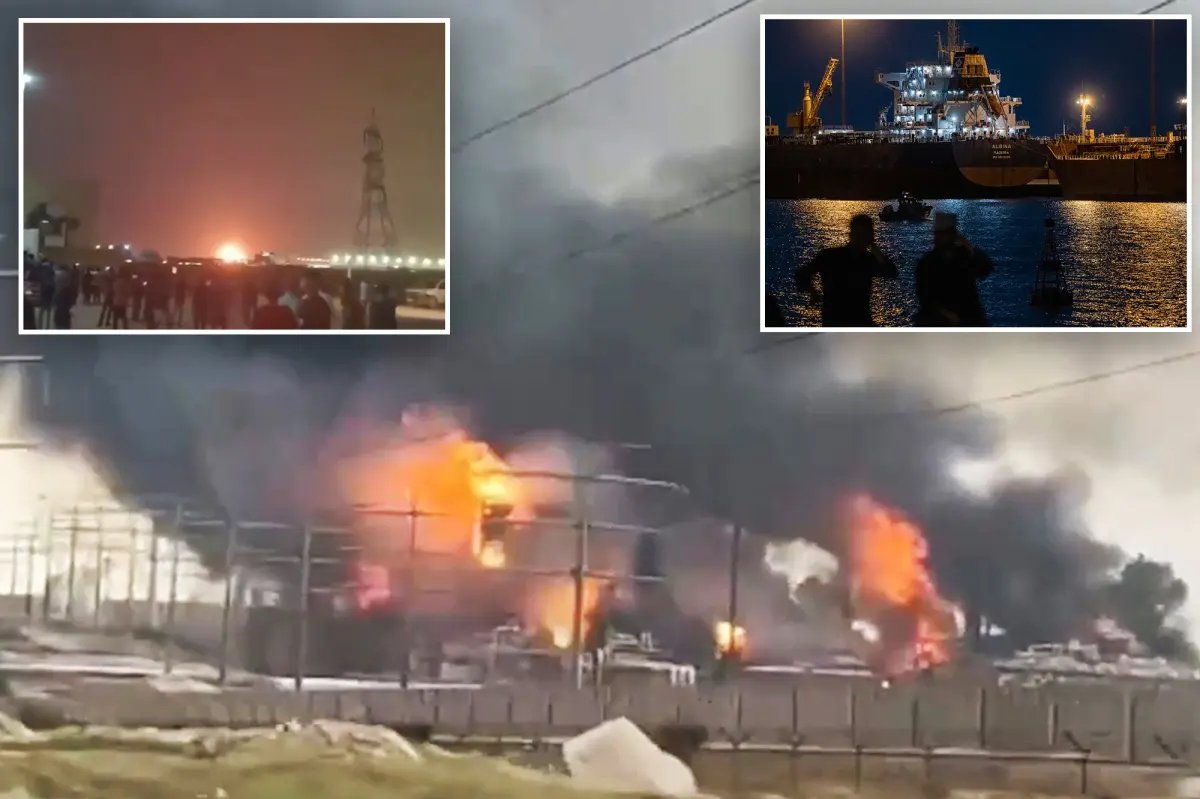
The Executive Director of the International Energy Agency (IEA), Fatih Birol, announced that over 40 vital energy assets across nine Middle Eastern countries have suffered severe damage, significantly impacting global oil supply and pricing. Speaking at the National Press Club in Australia, Birol noted that the ongoing conflict, which began on February 28, has left oil fields, refineries, and pipelines in disrepair, potentially keeping oil prices elevated, which previously peaked near $120 per barrel.
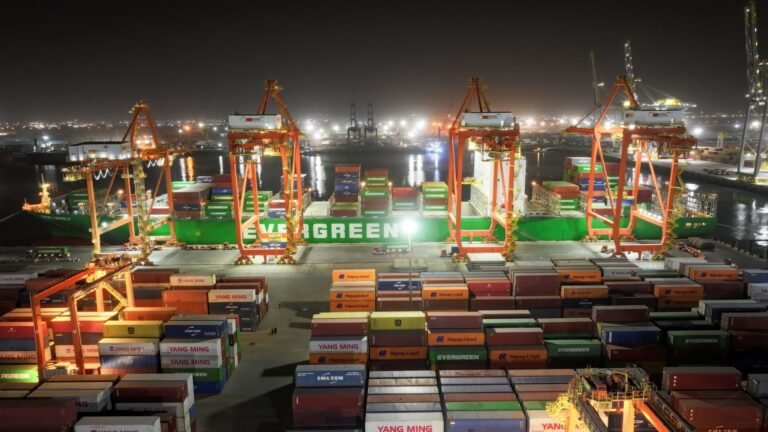
As the war extends into its fourth week, the IEA highlights the world’s most significant energy supply disruption, exacerbated by Iran’s blockade of the Strait of Hormuz, a crucial shipping lane for 20% of the world’s oil. Additionally, damage to Qatar’s Las Raffan facility, which provides a significant portion of global liquefied natural gas (LNG), has further strained supply.
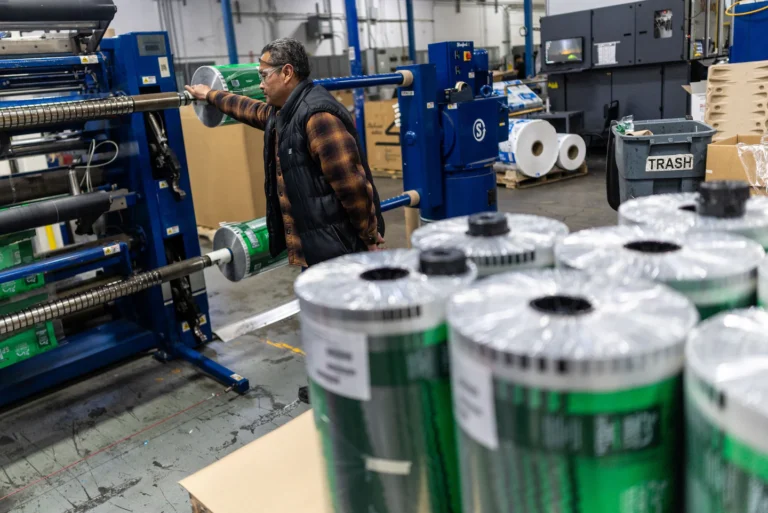
To mitigate rising prices, the IEA has advised households to adopt measures such as working from home and carpooling and has approved the release of 400 million barrels of oil from reserves. Birol likened the current supply crisis to the major oil crises of the 1970s and the gas shortages of 2022. He cautioned that disruptions are not limited to oil and gas, but also affect critical goods including petrochemicals and fertilizers, posing dire implications for the global economy.
While oil prices fell below $100 per barrel following a pause in military actions against Iran, analysts warn that repairing damaged energy facilities will take considerable time, potentially leading to prolonged supply shortages. The hardest-hit region will likely be Asia, with anticipated ripple effects on global economies, including in the United States, within months.
Why this story matters
- The ongoing disruption threatens global energy supplies and could have widespread economic implications.
Key takeaway
- The conflict has severely impacted critical energy infrastructure, leading to elevated oil prices and potential shortages.
Opposing viewpoint
- Some analysts believe that current tensions may ease, allowing for a more rapid recovery in energy supplies than anticipated.