

Twisted X, a Texas-based bootmaker known for its Western footwear, is facing significant challenges following the imposition of new tariffs on imports by the Trump administration in April. The company was forced to create a “tariff war room” at its headquarters to manage the sharp increase in import costs and disruptions in shipments. CEO Prasad Reddy noted the turmoil as companies grappled with fluctuating prices, leading to uncertainty throughout the supply chain.
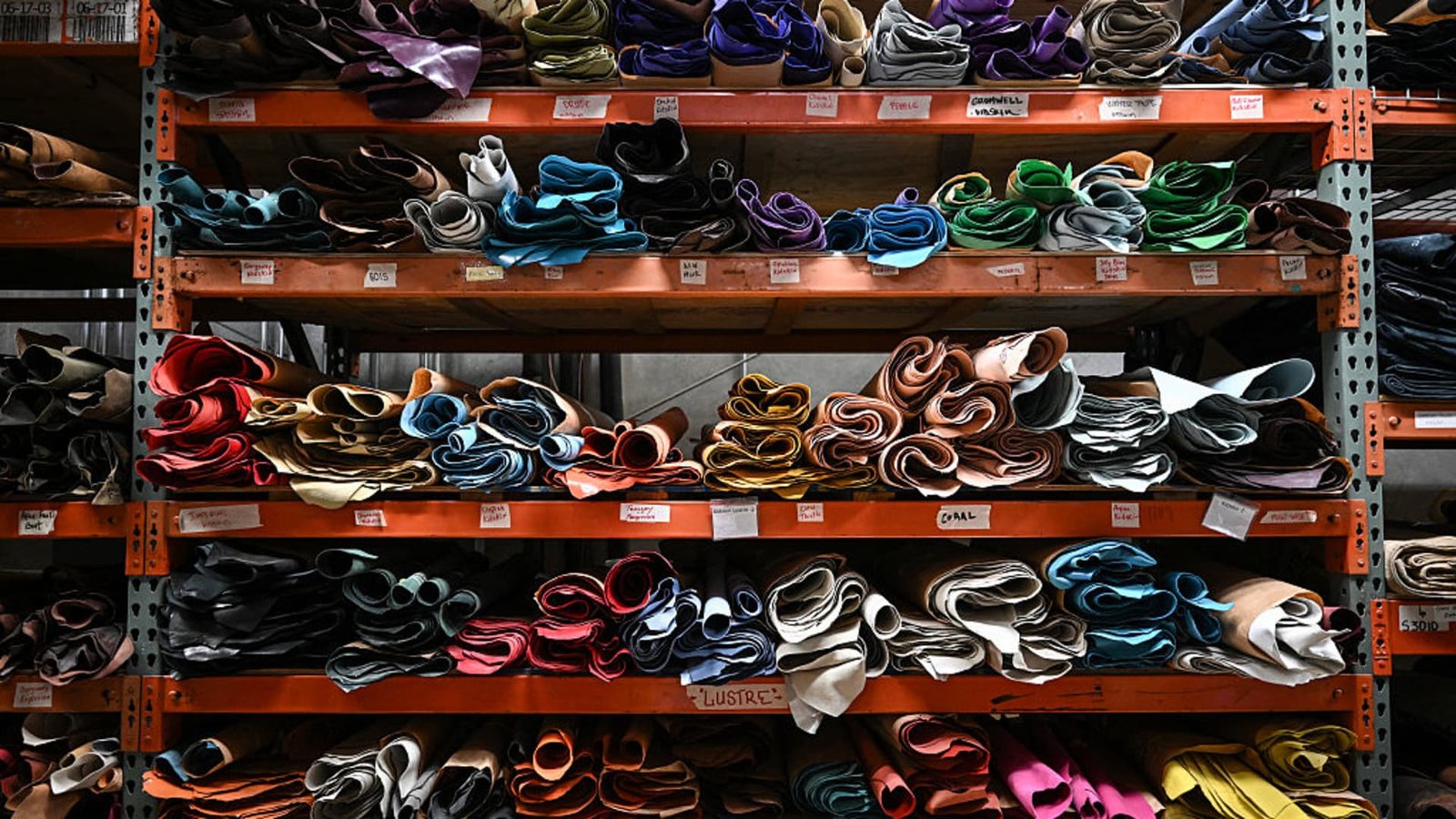
The leather industry is experiencing widespread fallout from these tariffs, with leather retailers observing heightened prices at the checkout. Inventory replenishment has become costly, as new products are made from more expensive hides and come with higher processing and shipping costs. According to the Yale Budget Lab, prices for leather goods could remain elevated by approximately 22% for the next couple of years, impacted by inflation, supply chain disruptions, and high tariff rates on imports from countries like China, Vietnam, Italy, and India.
The production process for U.S. leather goods typically involves shipping raw hides overseas for tanning and assembly. However, the reliance on foreign production has backfired, resulting in significant delays and price increases. There is currently a notable trade deficit in the U.S. leather market, with imports vastly outpacing exports.
As companies attempt to adapt to these changes, many are forced to raise prices by 1% to 3%. Analysts anticipate that the price shocks will continue, with luxury items already reflecting increased costs due to tariffs and supply issues. Compounding these challenges is a domestic cattle shortage, which has reduced the availability of raw materials for leather manufacturing.
Why this story matters
- The outcomes of the tariff policies significantly affect consumer prices and the viability of local manufacturers.
Key takeaway
- Leather prices are expected to rise due to increased tariffs, supply chain issues, and a domestic cattle shortage.
Opposing viewpoint
- While tariffs were intended to bolster U.S. manufacturing, the industry has largely adapted by shifting production overseas rather than revitalizing domestic operations.