

Iran reiterated on Sunday that it is not engaged in direct negotiations with the United States and will not resume diplomatic talks until certain conditions are met, particularly concerning adherence to the Islamabad Memorandum of Understanding.
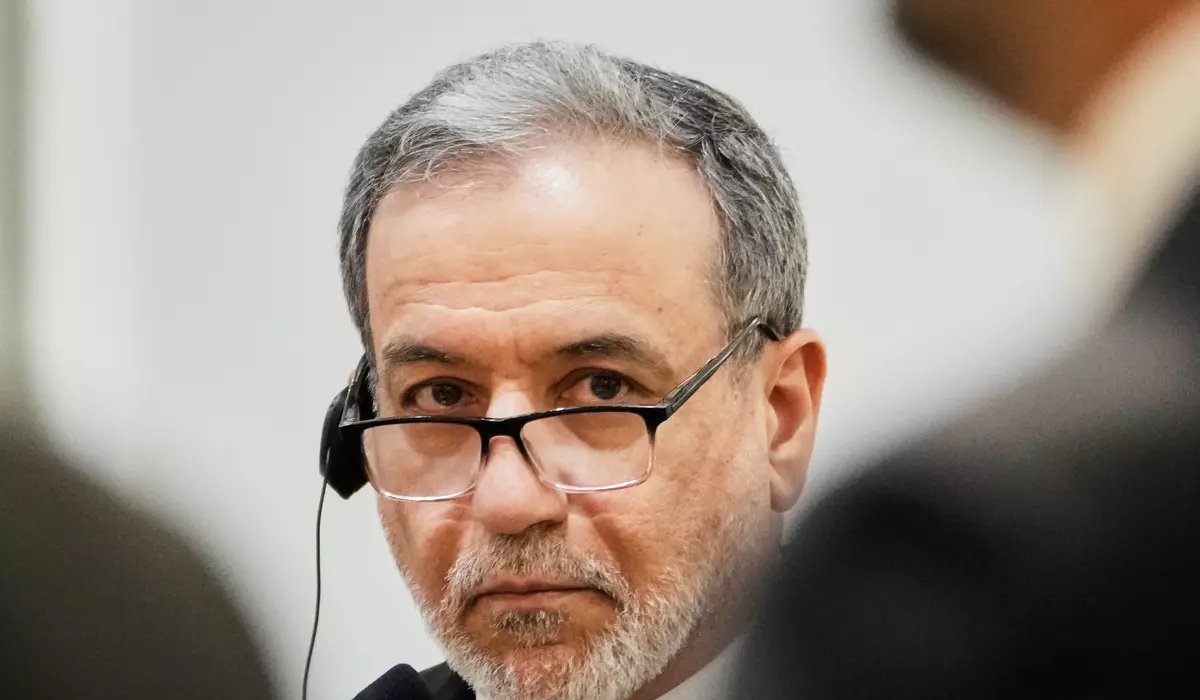
Iranian Foreign Minister Abbas Araghchi stated that indirect communications are ongoing through intermediary nations, potentially Pakistan and Qatar, but clarified that these discussions do not constitute formal negotiations. He mentioned that Iran’s ongoing discussions with Oman regarding control of the Strait of Hormuz are nearing completion. However, he cautioned that any agreement between the two countries would not automatically reopen the strategically significant waterway, which has been closed to commercial traffic for several weeks.
Direct negotiations between Iran and Oman have focused on establishing specific maritime routes to ensure safe passage for commercial vessels in the strait, a crucial channel through which one-fifth of the world’s oil supply is transported. Reports suggest that incoming ships may navigate Iranian waters before exiting via Omani-controlled routes. Araghchi emphasized that any newly defined shipping lanes would be ineffective without lifting the U.S. blockade and achieving a ceasefire.
The Strait of Hormuz has remained largely inaccessible after U.S. and Israeli military actions in February, impacting global energy prices. Although Brent crude oil prices have decreased from peak levels, they still remain elevated compared to pre-conflict rates.
Following President Trump’s decision to cancel an imminent military strike on Iranian targets, a state of relative peace has been restored. However, the details and potential involvement of Washington in ongoing Iran-Oman negotiations remain uncertain.
Why this story matters
Key takeaway
Opposing viewpoint