
The recent analysis by US political economist Matthew Burgess suggests that the evolution of liberal democracy in developed nations has closely aligned with economic growth. While previous theories implied that economic expansion naturally fosters liberal democracies, the current situation challenges this notion. Notably, the last 15 years have seen a marked decline in democratic values, with the rise of populist movements and the disintegration of the liberal world order correlating with economic stagnation.
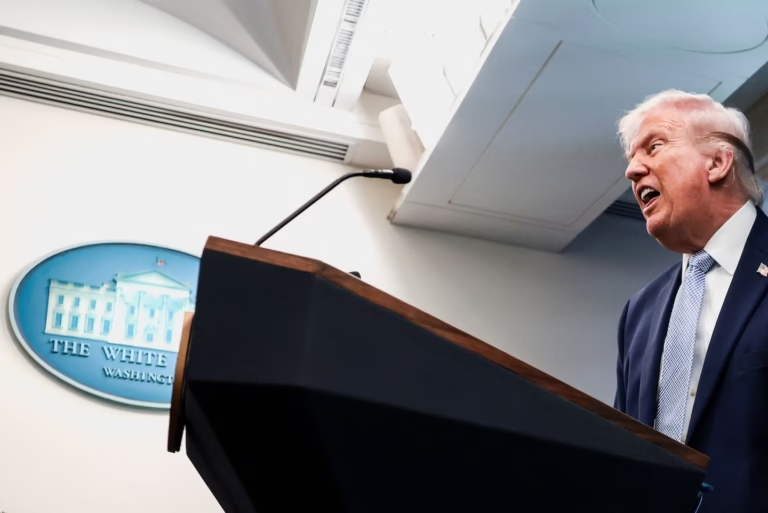
Canadian Prime Minister Mark Carney’s observations at Davos reflect a broader shift in global dynamics. He highlights that we are living in a fundamentally altered world compared to two decades ago, a change underpinned by economic and demographic factors that have contributed to a weakened liberal democratic framework. The ascent of figures like Donald Trump illustrates underlying socio-economic transformations rather than isolated events.
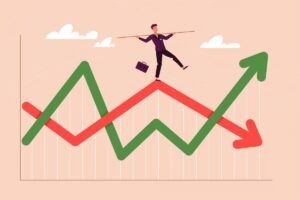
Research indicates that trust and cooperation—essential elements of democratic societies—thrive in prosperous conditions. Economic growth promotes optimism and the belief in collective progress, mitigating tensions between different groups. Conversely, the current low-growth environment, marked by zero-sum competition and an ageing population, has led to a political landscape characterized by impatience, self-interest, and disillusionment with established norms.
The future of liberal democracy remains uncertain. While some progress may arise from reactions against populism, as evidenced by figures like Carney, prevailing electoral trends in Europe do not suggest a robust recovery of democratic ideals. Potential solutions to demographic challenges face widespread rejection from voters, and advancements in technology, particularly AI, may exacerbate inequality and instability. The slow-moving, powerful forces shaping this landscape highlight that a return to the democratic status quo may be unrealistic.
Why this story matters: The decline of liberal democracy is tied to economic factors, affecting global stability.
Key takeaway: Economic conditions play a crucial role in sustaining democratic values; stagnation breeds discontent and political upheaval.
Opposing viewpoint: Some may argue that the rise of new technology could revitalize democracy, suggesting potential pathways to recovery.