


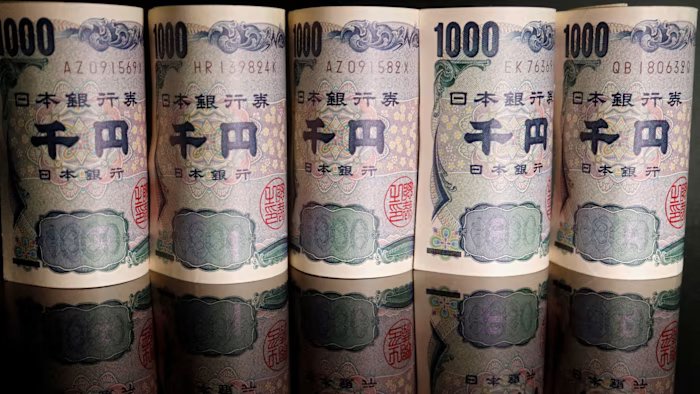
Japan’s finance minister, Satsuki Katayama, expressed shared concerns with U.S. Treasury Secretary Scott Bessent regarding the recent depreciation of the yen. During a meeting in Washington, Katayama highlighted the currency’s proximity to a 12-month low of ¥158 against the dollar, a level that has historically prompted Japanese government intervention to stabilize the currency.
Katayama stated, “I expressed my concerns about the one-way weakening of the yen,” noting that Bessent echoed her sentiments. The yen’s decline has significantly impacted Japan’s economy, leading to increased prices for food and energy, contrasting with previous years characterized by low inflation.
The depreciation has been partly linked to a “Takaichi trade,” named after Prime Minister Sanae Takaichi, whose proposed $135 billion stimulus package has contributed to rising bond yields and weighed on the yen, while powering equities to record heights. The Nikkei 225 index surged more than 3 percent, hitting an all-time high, amidst speculation of a potential snap election in February.
Despite the Bank of Japan raising interest rates to a 30-year high and expectations of further increases, the yen’s decline continues. Analysts suggest that the government might need to intervene, as concerns over Japan’s public debt, exceeding 200 percent of GDP, grow amidst rising long-term borrowing costs. Some experts argue, however, that the overall debt dynamics may be improving, attributable to high inflation outpacing interest rates. This tension raises questions about the yen’s future trajectory in the context of shifting global economic conditions.
Key points:
-
Why this story matters: The yen’s weakness affects Japan’s economy and international trade, risking inflation and public debt concerns.
-
Key takeaway: The Japanese government and U.S. authorities are cautious about the yen’s volatility, hinting at potential intervention to stabilize it.
-
Opposing viewpoint: Some analysts believe the economic picture is improving, suggesting the yen could strengthen despite its current struggles.