
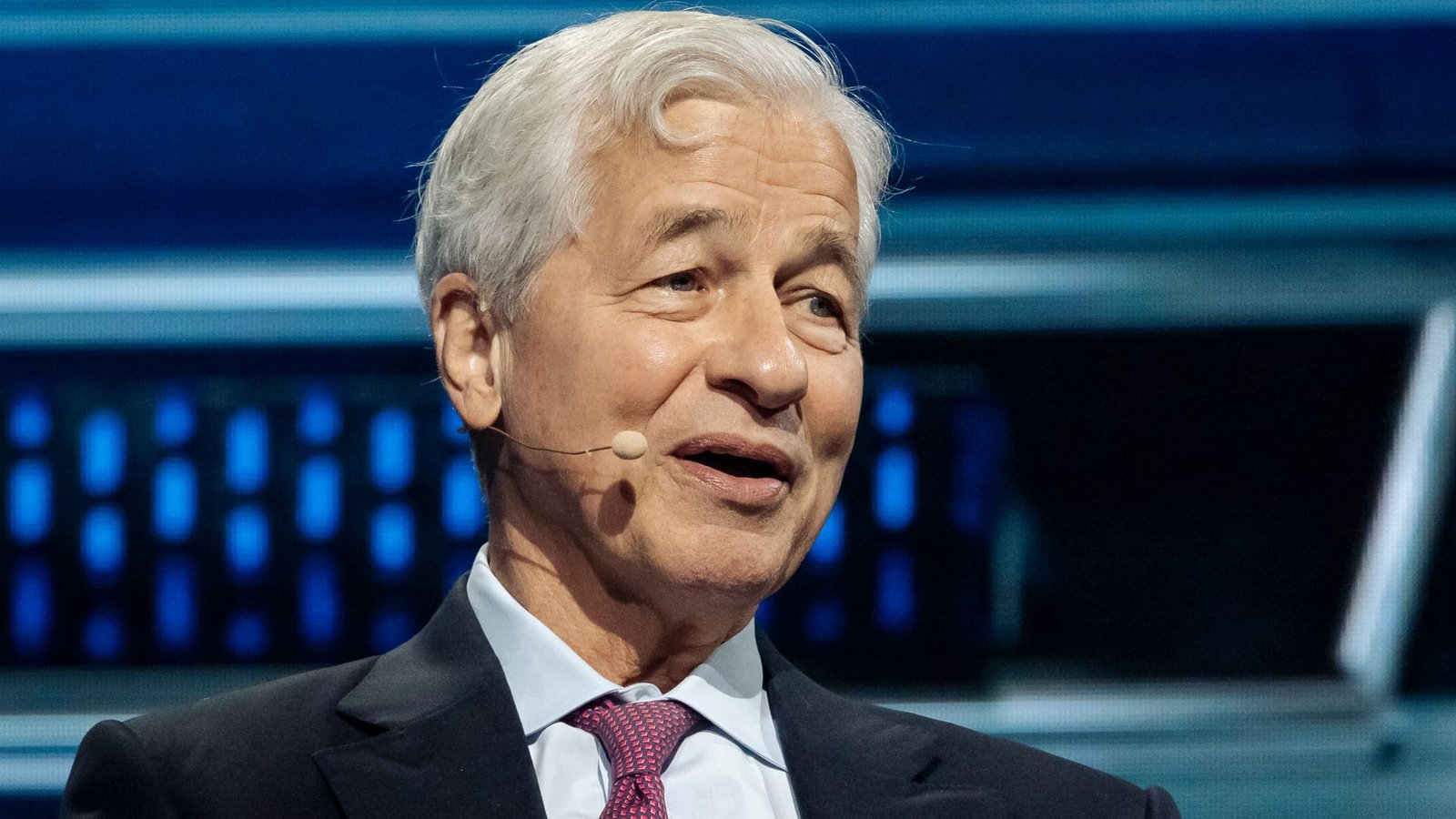
Jamie Dimon, the CEO of JPMorgan Chase & Co., announced a new $50 billion share repurchase program alongside a 10% increase in the quarterly dividend, which will rise to $1.65 per share, pending board approval. These decisions were made following the Federal Reserve’s annual stress test, which confirmed that the banking industry remains well-capitalized. Dimon emphasized the bank’s strong financial performance and investment strategy, stating that the Board’s decision reflects their preparedness for various economic scenarios.
Goldman Sachs also declared an increase in its dividends by 11%, raising its quarterly payout to $5 per share, while Wells Fargo and Morgan Stanley announced similar changes, with respective increases of 11% to 50 cents per share and 15% to $1.15 per share. Additionally, Morgan Stanley reauthorized a $20 billion share buyback program. Bank of America is expected to announce its dividend increase next month.
The Federal Reserve’s stress test revealed that all 32 large banks surpassed their minimum capital requirements, even in a hypothetical recession scenario that projected over $708 billion in losses across the industry. Unlike previous tests, the current results will not alter capital requirements, as the Fed plans to maintain stress capital buffers through 2027 while modifying the testing methodology. Analysts speculate that banks opted for payout raises, viewing this year’s stress test as largely procedural, with greater investor focus on the upcoming Basel III Endgame proposal.
Why this story matters: The decisions by major banks to increase dividends and share buybacks indicate confidence in their financial stability.
Key takeaway: All large banks passed the Federal Reserve’s stress test, prompting dividend and buyback announcements despite regulatory uncertainties.
Opposing viewpoint: Some analysts argue that the stress test has become a mere formality, with significant regulatory changes on the horizon that could impact banks differently.