



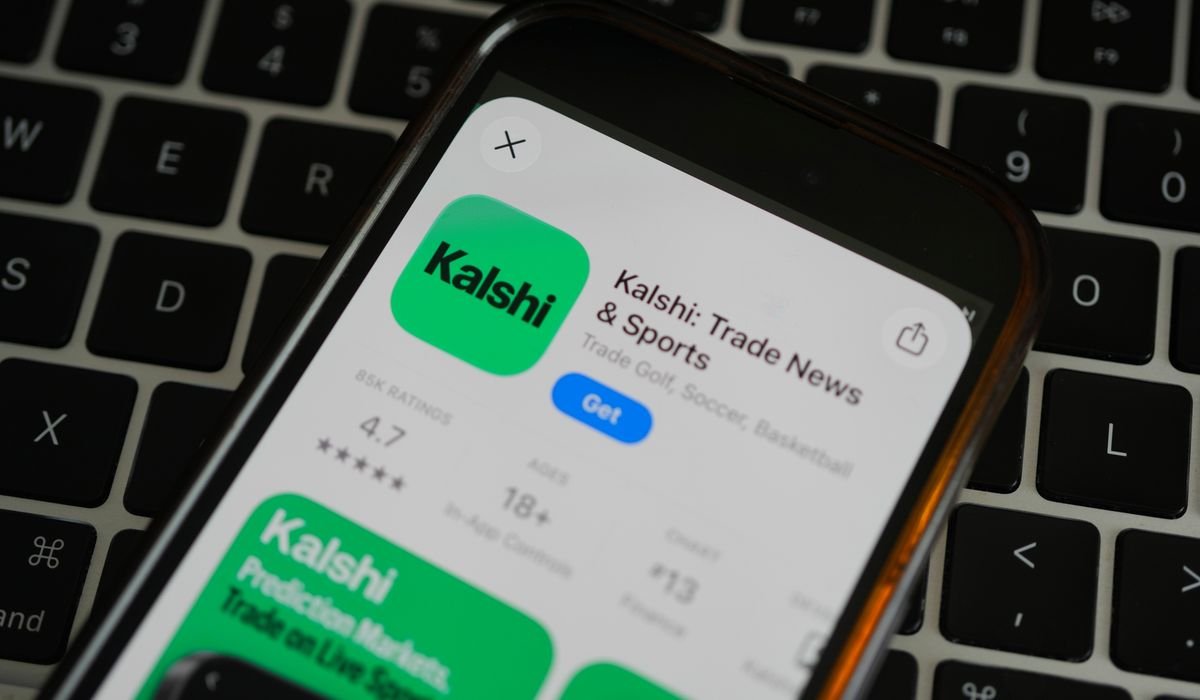
Kalshi, a prediction market platform, emerged prominently in 2024 after securing authorization from the Biden administration to offer contracts on electoral outcomes. However, in the subsequent two years, the company has faced mounting legal challenges.
Allegations of insider trading have surfaced, leading to significant scrutiny, including the dismissal of a White House teleprompter operator accused of exploiting privileged information to place informed bets on President Trump’s speeches. Kalshi is now embroiled in lawsuits from New York and California, with accusations that it improperly shared users’ personal information and trading activities with companies like Google, TikTok, and LinkedIn. These lawsuits claim that user data could expose individual risk profiles and interests related to political and social issues.
One complaint, filed in Manhattan federal court, states that Kalshi has allowed third-party tracking technologies to operate on its platform despite handling sensitive information. The other lawsuit was lodged in Southern California. As of now, Kalshi has not publicly responded to these legal allegations.
Additionally, New York Attorney General Letitia James has initiated legal action to classify Kalshi as an illegal gambling operation. Despite these challenges, Kalshi enjoys support from figures within the Trump administration and Michael S. Selig, chairman of the Commodity Futures Trading Commission. Selig has urged state authorities to halt their lawsuits, citing concerns that abandoning the domestic market could pave the way for foreign entities to dominate, potentially leaving American users with fewer protections.
Why this story matters
- It highlights ongoing tensions between innovation in digital markets and regulatory frameworks.
Key takeaway
- Kalshi faces significant legal challenges regarding privacy and alleged improper practices, which could impact its future operations.
Opposing viewpoint
- Supporters argue that legal actions against Kalshi threaten U.S. competitiveness in emerging financial markets versus foreign operators.