

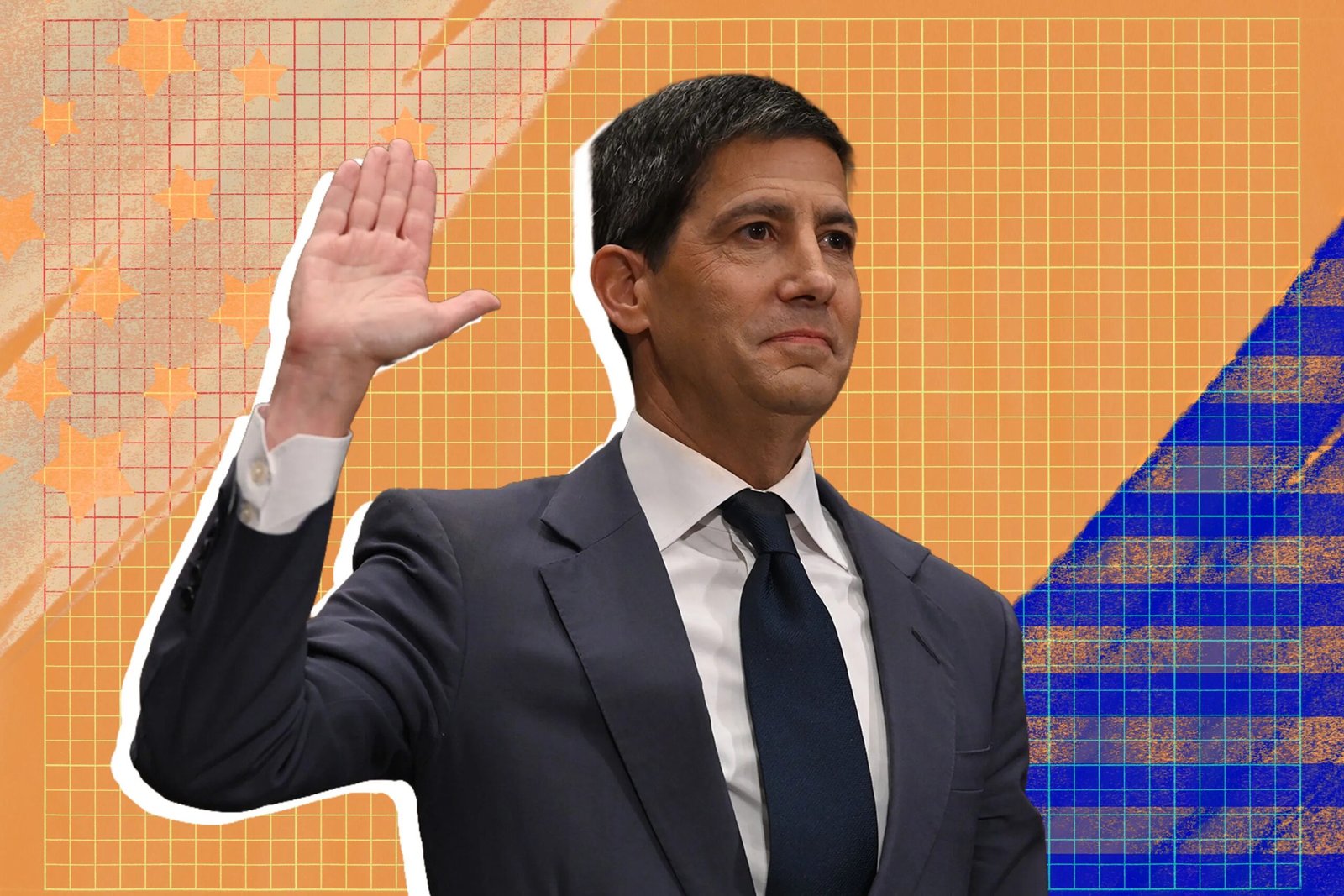
Kevin Warsh is set to assume the role of chair of the Federal Reserve, marking a significant leadership change after Jerome Powell’s tenure. This transition occurs during a period of heightened inflation, currently at 3.2% year-over-year, exceeding the Fed’s long-term target of 2%. Warsh’s primary focus will likely involve measures to combat this inflation as he takes the helm of the central bank, which holds a dual mandate to maintain low unemployment and stable prices.
To address these economic goals, the Federal Reserve utilizes the federal funds rate—the interest rate banks charge for overnight loans. Warsh will lead the 12-member Federal Open Market Committee, but his influence operates within a collaborative framework where his vote carries the same weight as that of other committee members.
Continuity remains a key factor, as Powell will continue serving on the committee through 2028. Analysts emphasize that while Warsh may implement changes to Federal Reserve practices, the fundamental responsibilities of the bank will remain intact. The current political environment adds complexity, particularly with increasing pressure from the Trump administration on Powell regarding interest rates. Lower rates could stimulate consumer spending ahead of midterm elections, although experts caution such actions could exacerbate inflation in the long run.
Observers like Loretta Mester highlight the importance of the Federal Reserve’s independence from political influence. As Warsh assumes his new role, the economic implications of his decisions and the dynamics with the current administration will be closely monitored to ensure effective policy-making.
Key Points:
- Why this story matters: Warsh’s leadership at the Federal Reserve could significantly impact inflation and economic stability.
- Key takeaway: Maintaining the Fed’s independence from political pressure is crucial for sound economic policy.
- Opposing viewpoint: Some argue that political influence can lead to lower interest rates that benefit consumers, despite potential long-term inflation risks.